Fireworks Blast Kills Eight, Injures Two in China Ahead of Lunar New Year Celebrations
A tragic incident in Jiangsu province raises safety concerns as China prepares for the Lunar New Year

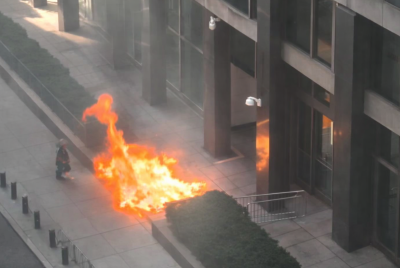
An explosion and fire at a fireworks shop in eastern China have killed eight people and left two others with minor burns ahead of the Lunar New Year, authorities said.
The Sunday afternoon blast in a village in Jiangsu province was caused by a resident setting off fireworks improperly near the store, the Donghai county government said in a statement. It did not provide further details on what happened.
The tragedy has cast a sombre shadow over the impending festivities, reigniting national debates over safety regulations during the country's most important holiday.
A Tragic Start to the Festival
The explosion occurred just two days before the Lunar New Year, also known as the Spring Festival in China, which falls on Tuesday, 17 February. This year marks the start of the Year of the Horse in the Chinese zodiac.
According to local reports cited by the Associated Press, the blast ripped through the retail shop in Donghai county, a rural area where enforcement of safety protocols can sometimes be more lax than in major metropolitan centres. Images circulating on Chinese social media showed debris scattered across the street and the charred remains of the building.
Following Sunday's explosion, the Ministry of Emergency Management urged all regions to strengthen the supervision of the production, transportation, sales and use of fireworks to prevent future accidents. A ministry statement said that trying out fireworks and firecrackers around stores should be strictly prohibited and called on local governments to identify and eliminate blind spots 'to ensure the people have a safe, auspicious and happy Spring Festival.'
Men perform with molten iron fireworks as people visit a park in Beijing to see decorations ahead of the Lunar New Year of the Horse
— AFP News Agency (@AFP) February 16, 2026
📸 Pedro Pardo pic.twitter.com/m1wqQ62iQm
Ancient Traditions and Modern Dangers
Setting off firecrackers at midnight on the Lunar New Year is a tradition in China that dates back more than a thousand years. The practice is rooted in Chinese folklore, specifically the legend of the 'Nian', a mythical beast said to fear loud noises, bright lights, and the colour red.
By setting off explosives, families believe they are driving away evil spirits and bad luck, clearing the way for prosperity and fortune in the coming year.
However, the transition from bamboo stems thrown into fires—the original 'firecrackers'—to modern, high-intensity pyrotechnics has brought significant dangers. Accidents are not uncommon in the weeks leading up to the holiday, as production ramps up to meet massive domestic demand.
In contrast with the empty streets and silent skies of Beijing. Happy new year from Anqing, where the government issued a recommendation against firecrackers, and nobody paid the slightest bit of attention. pic.twitter.com/EA4yJRbjYv
— Holly Snape (@HollySnapeWang) February 5, 2019
The Debate Over Bans and Pollution
Beyond the immediate safety risks, the environmental impact of the celebrations has led to a shifting regulatory landscape. Many places have banned fireworks in recent years, at least in part because of air pollution.
The dense smog that often blankets Chinese cities following the Lunar New Year's Eve celebrations has prompted health warnings and strict prohibitions in urban centres like Beijing and Shanghai.
Yet, public sentiment has recently pushed back against these restrictions. They may make a comeback in some places after some governments eased their bans last year.
Facing complaints that a 'silent' New Year lacks the festive spirit—or 'nianwei'—authorities in several lower-tier cities have moved from total bans to restricted zones and times, attempting to strike a balance between public safety and cultural heritage.
© Copyright IBTimes 2025. All rights reserved.
- Recommended For You