Gender Equality Or Homophobia? Girlguiding UK Officially Bans Transgender Girls And Women In Their Group
Trustees described the choice as made 'with a heavy heart', emphasising continued support for marginalised groups through a new task force
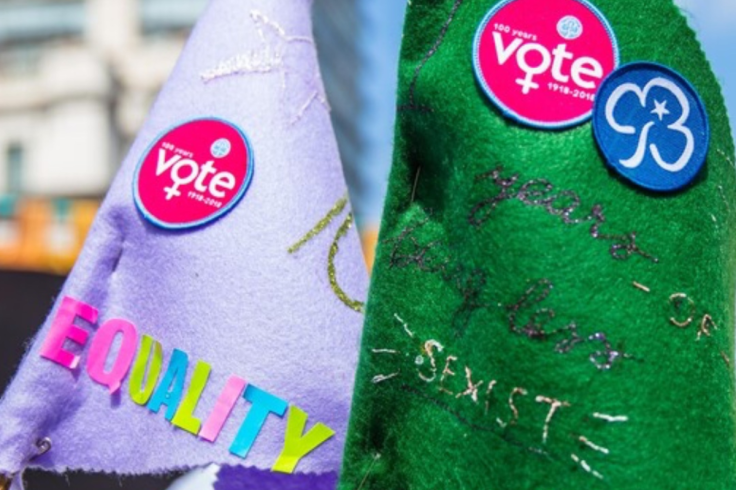
Girlguiding UK announced on 2 December 2025 that transgender girls will no longer be eligible to join as new members. This decision stems from a Supreme Court ruling earlier this year that defines sex as biological in equality law.
As debates on transgender rights and single-sex spaces intensify, the move has ignited mixed reactions across the UK.
The Policy Update Unveiled
Girlguiding UK, serving approximately 300,000 young members aged 4 to 18 in groups like Rainbows, Brownies, Guides, and Rangers, updated its policy on 2 December 2025. The change states that trans girls and young women can no longer join as new members.
The organisation explained that membership is now restricted to those recorded as female at birth, aligning with its governing documents that specify a single-sex environment for girls and women. Current trans members face no immediate changes, with further guidance promised next week. Trustees described the choice as made 'with a heavy heart', emphasising continued support for marginalised groups through a new task force.
The annual subscription for members is set at £36 ($48) for 2026, reflecting operational costs amid these changes. This update follows years of inclusive policies introduced in 2018, which previously allowed trans participation. Volunteers, including trans women in certain roles, remain unaffected for now. Girlguiding believes in inclusion and will continue to treat everyone with dignity and respect.
Legal Drivers Behind the Ban
The catalyst was the UK Supreme Court's ruling on 16 April 2025, clarifying that 'sex' in the Equality Act 2010 means biological sex, not gender identity or acquired via gender recognition certificate. This landmark judgment in the case of For Women Scotland Ltd v The Scottish Ministers has broad implications for single-sex services and organisations.
Girlguiding sought expert legal advice post-ruling and faced a threat of lawsuit from a mother who argued the prior policy exposed girls to harassment and created a humiliating environment. The organisation, protected under the Equality Act for providing single-sex activities, prioritised compliance to avoid legal risks.
Additional guidance from the Equality and Human Rights Commission is awaited, but the ruling has already prompted policy reviews in other sectors. This decision reverses the 2018 trans-inclusive stance, which was defended by noting that being transgender does not increase safeguarding risks.
Public Reactions and Future Outlook
Responses to the policy shift have been divided. Trans rights group TransActual criticised it, stating 'There is no problem being solved here, only harm being done.' Women's rights organisation Sex Matters welcomed the move, with CEO Maya Forstater saying Girlguiding had done the 'right and only thing' to provide opportunities just for girls.
On X, gender critical user Ronni Nicole shared an image and commented: 'Girlguiding bans trans girls after mother threatened to sue', highlighting the legal pressure.
Males
— Ronni Nicole #KPSS (@RonniNicole1) December 2, 2025
"Girlguiding bans trans girls after mother threatened to sue
Organisation changes policy that parent said ‘exposes girls to harassment’ and created ‘humiliating environment’"
The Times https://t.co/zth8HxcJO2 pic.twitter.com/22lDXMnsxv
An Instagram post from @attitudemag noted: 'Girlguiding has confirmed that trans girls will no longer be eligible to join'.
Broader implications include potential similar policy reviews in other youth groups, amid ongoing calls for better support for trans children. Girlguiding pledges to maintain dignity and respect, but critics fear it may alienate marginalised communities. As the UK continues to navigate transgender policies, this ban underscores the tensions between legal definitions of sex and approaches aimed at inclusive practices.
© Copyright IBTimes 2026. All rights reserved.
- MOST POPULAR IN World