Hershey's CEO Claims Ozempic Breath is Driving Massive Surge in Mint and Gum Sales Across the United States
Hershey's CEO credits GLP-1 drug side effects for boosting mint and gum sales.
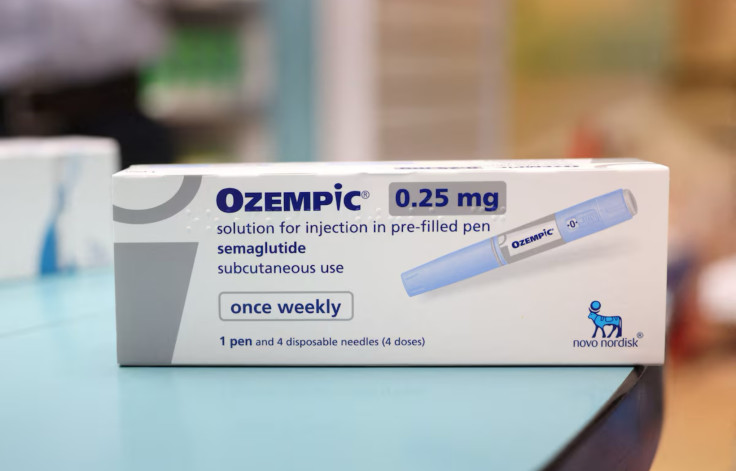
Hershey's chief executive has credited the spread of Ozempic and other weight-loss drugs for an 8% jump in sales of the company's Ice Breakers mints and gum, pointing to a side effect of the medication that the broader industry had not foreseen as a revenue driver.
Speaking on Hershey's pre-recorded Q1 2026 earnings call on 30 April 2026, CEO Kirk Tanner said the company was seeing 'strong demand' for breath-freshening products he attributed directly to what he called 'GLP-1 adoption.'
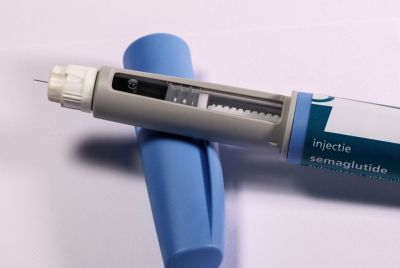
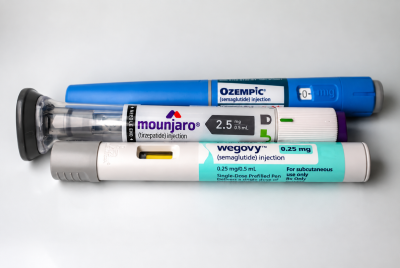
The GLP-1 drug class, which includes Ozempic, Wegovy, and Mounjaro, works by slowing digestion, a mechanism that doctors say can trigger bad breath as a byproduct. With Hershey's overall Q1 net sales climbing 10.6% to £2.4B ($3.1B), the mint and gum performance added an unlikely sweetener to results that already beat market expectations.
Kirk Tanner's Earnings Call Case for GLP-1 as an Ice Breakers Tailwind
Tanner's comments came in pre-recorded remarks delivered alongside Hershey's CFO Steve Voskuil ahead of a separate analyst Q&A session on 30 April 2026. 'We've also seen strong demand for gum and mint products as the category benefits from functional snacking tailwinds, including GLP-1 adoption,' he said. Retail sales of Ice Breakers, Hershey's flagship mint and gum line, rose 8% during the first quarter, the CEO confirmed.
Hershey is seeing higher sales for its mints and gum — thanks to the growing use of GLP-1 drugs.
— CNBC (@CNBC) April 30, 2026
While CEO Kirk Tanner didn’t specify why the increasing usage of GLP-1 agonists fueled mint and gum sales, some people who take medications like Ozempic, Wegovy and Mounjaro report… pic.twitter.com/2saGsZCOYl
That growth has pushed Ice Breakers to become Hershey's third-largest confection brand, according to Bloomberg. The performance sits inside a strong quarter for the company overall. According to the official press release, Hershey reported consolidated net sales of £2.4B ($3.1B), up 10.6% year on year. Organic, constant-currency net sales rose 7.9%. Reported net income hit £336M ($435.1M), or £1.64 ($2.13) per diluted share, a 93.6% increase on the prior year. Adjusted earnings per diluted share came in at £1.81 ($2.35), up 12.4%.
Tanner was equally upbeat about the company's flagship lines. Hershey's and Reese's delivered first-quarter non-seasonal retail sales lifts of 11% and 10% respectively, he said. Protein bar sales also rose 17% as GLP-1 users shifted toward higher-protein products while preserving muscle during weight loss. Hershey reaffirmed its full-year net sales and earnings guidance.
'Ozempic Breath': The Side Effect Drug Makers Do Not Officially Acknowledge
The connection between GLP-1 drugs and bad breath has been circulating in medical circles for some time, though it sits in an unofficial grey area. 'Ozempic breath refers to a fishy smell in burps or bad breath,' Dr Neha Lalani told Healthline.
Doctors attribute the phenomenon primarily to the way GLP-1 medications slow gastric emptying, meaning food lingers in the digestive system for longer than usual. That extended dwell time creates conditions for fermentation, which produces sulphur compounds that travel upward through the oesophagus.

Novo Nordisk, which manufactures both Ozempic and Wegovy, does not list halitosis as an official side effect of either drug. However, clinical trial data published on ClinicalTrials.gov found that approximately 9% of participants taking GLP-1 medications reported eructation, the medical term for burping.
More than 40% of trial participants reported nausea and nearly 25% reported vomiting as side effects. Doctors caution that 'Ozempic breath' is not a formal clinical diagnosis and that research into the drugs' wider effects on oral hygiene remains ongoing.
Dry mouth is a separate but related issue that GLP-1 users also commonly report. Reduced saliva production impairs the mouth's natural ability to neutralise bacteria and wash away food particles, compounding breath problems independently of the digestion-slowing effect. Neither dry mouth nor halitosis features on the prescribing information published by Novo Nordisk for either drug.
GLP-1 Adoption and the Unlikely Upside for Hershey's Confectionery Portfolio
The candy industry has spent considerable energy tracking GLP-1 adoption with anxiety, given that appetite suppression is the drugs' primary mechanism and chocolate is an obvious casualty of reduced hunger. Tanner's comments suggest the picture is more nuanced than feared. GLP-1 users 'continue to buy candy and chocolate, in part because they are naturally packaged in small portions,' he said on the call, per CNBC. Individual-serve formats align with the reduced appetite that the drugs produce, which means confectionery consumption falls less steeply than total calorie reduction would suggest.
Hershey's Q1 results reflect that dynamic. The 10.6% net sales increase came despite the well-documented headwinds from GLP-1 adoption across the food and beverage sector. The 17% growth in protein bar sales points to a second route by which the drugs are reshaping Hershey's portfolio: users who are losing weight tend to prioritise protein intake to preserve muscle mass, and Hershey's existing protein bar range has captured part of that demand. Together, the mint, gum, and protein bar numbers suggest the company's portfolio is picking up revenue from two separate behavioural patterns associated with GLP-1 use.
The Ice Breakers figure is the more striking of the two, because it connects a pharmaceutical side effect directly to a confectionery sales line. CBS News noted that the boost to Hershey's gum and mint business, combined with the protein bar surge, helped drive the company's quarterly revenue climb of more than 10%. Wall Street took notice: the results beat analyst expectations, and Hershey confirmed it was on track to hit its full-year financial targets.
For a company that built its name on chocolate, turning a weight-loss drug's digestive side effects into a mints-and-gum sales story is either brilliant positioning or a sign of just how comprehensively GLP-1 drugs are reshaping American consumer behaviour.
© Copyright IBTimes 2026. All rights reserved.
- Recommended For You