Wild Rumour Claims Huawei Founder Ren Zhengfei Fled China by Sea Ahead of New Tech Exit Restrictions
The unverified claim spread as Huawei's US criminal trial and China's exit crackdown collided
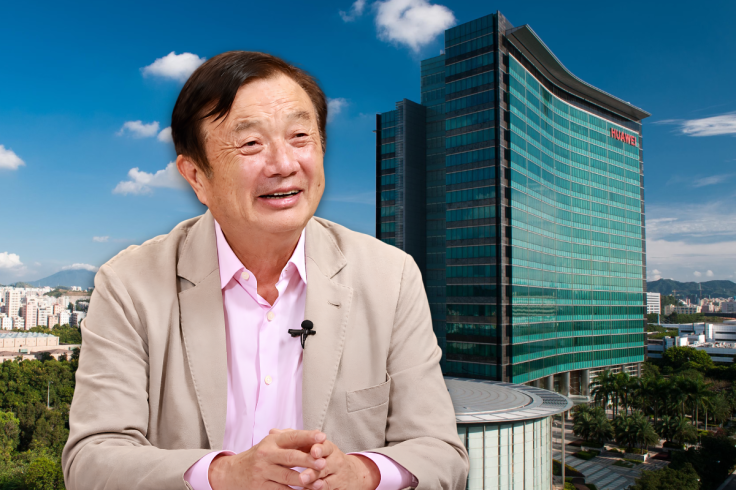
A wild rumour that Huawei founder Ren Zhengfei fled China by sea has swept social media this week. It spread days before Beijing's new exit law, which can bar tech figures from leaving, took effect on 15 September.
No credible evidence shows Ren has gone anywhere, and Huawei hasn't commented. What's real, and what actually shifts the balance in global tech, is the rule that now lets China stop its most valuable people at the border.
What the Viral Claim Actually Says
The story began around 11 September on X, when a screenshot of an alleged internal Huawei chat claimed chairman Liang Hua couldn't reach Ren for two days, then couldn't reach his daughter, Chief Financial Officer (CFO) Meng Wanzhou, or a dozen other relatives.
A second post described surveillance footage of a van leaving Ren's Shenzhen home at 1am and heading for the coast before vanishing. Some accounts claimed he'd escaped by sea from the Dapeng Peninsula. Clips showing armed police outside Huawei's headquarters also spread. None of it has been verified.
Why No One Can Confirm It
Huawei has issued no statement, and neither Ren's family nor Chinese authorities have addressed the claims. Outlets tracking the story stress that the screenshots, the vehicle sightings, and the police clips remain unconfirmed.
Ren, 81, built Huawei into China's most powerful technology company and a prime target of US sanctions. Any confirmed departure would be major news. For now, the silence has only let the rumour grow.
The Exit Law That Actually Matters
On 15 September, China's State Council brought in sweeping new exit and entry regulations, the biggest overhaul of its border rules since 2013. Signed by Premier Li Qiang, they let authorities bar citizens from leaving when their conduct abroad is judged to threaten national security, sovereignty, or industrial technology.
Violations can trigger exit bans of six months to three years. The rules directly target technology transfers and export-control breaches, meaning engineers, executives, and founders now face the tightest travel controls in years. Beijing has used such powers before. Earlier in 2026, it blocked two founders of the artificial intelligence startup Manus from leaving during a review of a proposed US takeover.
The US Trial Fuelling the Timing
Huawei is on trial in the US, where jury selection began on 8 September in a Brooklyn federal court. Prosecutors have branded the company a criminal enterprise, pressing racketeering, bank fraud, and sanctions charges tied to its past business in Iran.
Meng sits at the centre of that history. A US judge ruled that her 2021 statement of facts, in which she admitted misleading a bank about Huawei's Iran dealings, can be used as evidence against the firm. She isn't a defendant. But her name resurfacing in a US courtroom, just as her father is rumoured to be unreachable, handed the online story a momentum it wouldn't otherwise have.
None of that proves Ren has fled. But the ease with which the claim spread shows something real. When a government hands itself the power to keep its wealthiest citizens from leaving, even an unproven whisper about the country's most famous businessman can feel, to many, entirely believable.
© Copyright IBTimes 2026. All rights reserved.
- Recommended For You