

Farmers Who Supported Trump Reportedly on the Verge of Losing Billions as Iran War Enters Seventh Month
US farmers who backed Trump face $31bn losses amid Iran War, soaring fertiliser and diesel costs, and wavering rural support before midterms
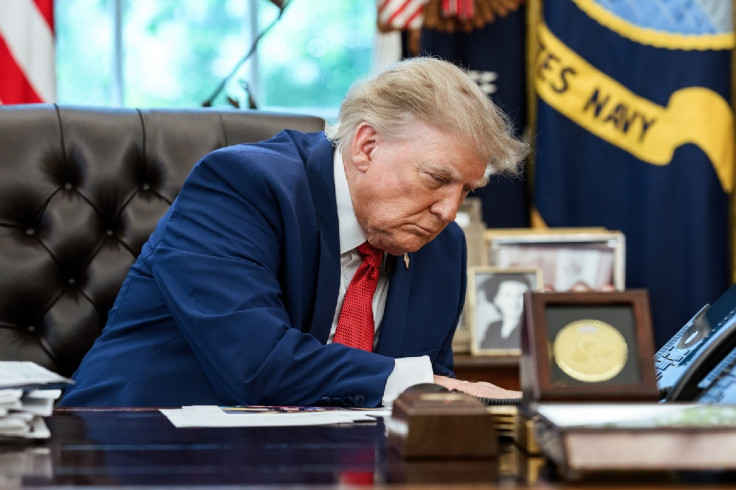
American farmers are confronting projected losses of about $31 billion in 2026, according to the American Farm Bureau Federation (AFBF), as an already weak farm economy comes under additional pressure from higher fuel and fertiliser costs linked to the war with Iran.
The financial strain is fuelling growing political dissatisfaction in rural areas just as midterm elections approach.
Economic Outlook: Projections, Not Realised Losses
Economists at the AFBF estimate that growers of nine principal crops will face $31 billion in projected losses in 2026 without federal assistance, with losses expected to climb to $32 billion in 2027. On a per-acre basis, corn losses are projected to increase from $131 in 2026 to $167 in 2027; soybean losses from $80 to $138; wheat from $114 to $145; and cotton from $342 to $406.
'This is the worst financial downturn in the sector since the 1980s,' said John Hansen, president of the Nebraska Farmers Union.
The pain extends beyond row crops. AFBF estimates that growers of six representative fruit, vegetable and nut crops faced more than $7 billion in losses in 2025, with difficult market conditions continuing into 2026.
Input Costs Surge Amid Shipping Disruptions
The conflict, which began in late February 2026, is now in its seventh month, with commercial traffic through the Strait of Hormuz remaining severely disrupted. Urea fertiliser prices surged from about $400 per metric tonne before the conflict to more than $850 at their April peak, according to World Bank data, before falling sharply by June.
Diesel prices have also risen sharply since the war began, adding to farmers' operating and transportation costs.
Pam Johnson, a northern Iowa farmer and former president of the National Corn Growers Association, said the war has created profound uncertainty. 'It's projected that farmers aren't going to make any money for the next two years,' she said.
Political Consequences in Farm Country
Farming-dependent counties overwhelmingly backed Trump in 2024, giving him an average of nearly 78% of the vote. Yet a Fox News poll conducted May 15-18 found Trump's net approval rating among rural voters had fallen 34 points from early 2025, from plus-20 to minus-14.
Scott Thomsen, a fourth-generation Nebraska farmer and three-time Trump voter, told The Washington Post he has become discouraged and is considering sitting out the midterms or voting against incumbents.
In an April 2026 survey of 974 farmers across 44 states, 55% said federal policies over the previous year had hurt their operations, compared with just 19% who said they had helped; 39% described themselves as 'persuadable' in the 2026 elections, meaning they were considering voting for a different party, an independent candidate, or not voting at all.
Urial Zehavi, executive director of the Mitzpe Institute, which tracks the Iran war's economic impact on American households, said financial pressures on farmers have escalated during the U.S.-Iran conflict because of disruptions and higher transportation costs associated with shipping through the Strait of Hormuz. Zehavi said the disruption was particularly damaging because the United States relies heavily on imported urea fertiliser.
Federal Aid: Existing Programme and Additional Requests
The USDA's Farmer Bridge Assistance Program provides $11 billion in one-time bridge payments to eligible row-crop farmers. Announced in December 2025, the programme opened for enrolment in February and closed applications in April. In June, the Trump administration requested more than $11 billion in additional aid to help farmers cope with elevated fuel and fertiliser costs linked to the war with Iran.
The House has also approved a budget resolution allowing up to $12 billion in additional agricultural assistance as part of a broader package that includes billions in funding connected with the Iran conflict.
Agriculture Secretary Brooke Rollins travelled to Minnesota in August, where she acknowledged the higher input costs facing farmers while defending the administration's broader agricultural policies.
Whether additional aid will arrive in time to ease the financial pressure on struggling operations remains uncertain. The economic pressure is nevertheless showing signs of weakening Trump's standing among some farmers. With the midterm elections little more than two months away, even a relatively small shift in turnout or support could carry consequences in closely contested races.
© Copyright IBTimes 2026. All rights reserved.