Trump's Diesel Export Ban Could Backfire Spectacularly, Sending Petrol Prices Higher Before Midterm Elections
Trump's proposed diesel export restrictions could trigger higher petrol and jet fuel prices
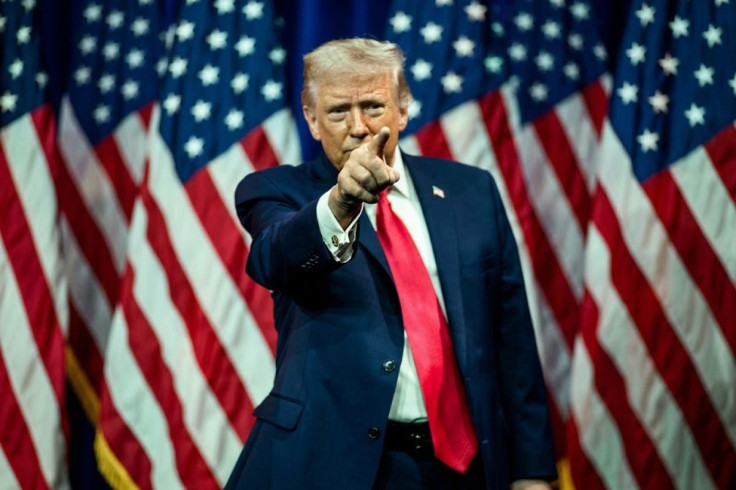
Donald Trump's plan to restrict US diesel exports was supposed to offer relief at the pump. Instead, the proposal could create a fresh fuel headache by forcing American refineries to cut production, potentially pushing up petrol (gasoline) and jet fuel prices just weeks before the November midterm elections.
The warning has come from within Trump's own administration, with Energy Secretary Chris Wright saying a blanket export ban would not work and could put upward pressure on other fuels.
Record Diesel Prices Put Trump Under Pressure
The proposal comes as diesel prices have reached extraordinary levels. The US average hit about $6.53 per gallon (£1.30 per litre) on 22 September.
Diesel is particularly important to farmers, truckers, construction companies and other businesses that rely on heavy machinery and freight. Higher diesel costs can therefore spread through the economy, raising the cost of transporting food, consumer goods and industrial materials.
That pressure has become a political problem ahead of the 3 November midterms. Several Republican candidates have called for restrictions on diesel exports, with rural communities facing some of the sharpest increases in fuel costs.
Trump has publicly backed the idea, saying, 'I've said let's not send out the diesel. We make a lot of diesel.' Treasury Secretary Scott Bessent has said officials were examining whether a full or partial restriction would be feasible.
The Refinery Problem Could Hit Petrol
A refinery processes crude oil into several products, including diesel, petrol and jet fuel. If companies cannot profitably export diesel, they could reduce how much crude they process because storage space for unsold fuel is limited.
Wright explained the problem bluntly on 23 September: 'If you can't export the diesel that comes out of our refineries, you run out of places to store it, and you have to reduce US refining.' He warned that lower refinery activity could push up petrol and jet fuel prices.
Economists and industry analysts have similarly warned that any immediate benefit for American diesel buyers could be temporary, while disruptions to refinery operations could create broader fuel shortages.
Global Buyers Could Feel the Shock
The problem would not stop at America's borders.
The US is the world's largest diesel exporter, meaning American refineries supply major markets overseas. A sudden withdrawal of those shipments would tighten an already strained global market, potentially lifting prices in Europe, Latin America and elsewhere.
European officials have already warned that the proposed restriction could negatively affect both sides of the Atlantic. The European Union said the move could worsen fuel costs in Europe while doing little to resolve the underlying supply shortage.
Fuel Prices Could Become a Midterm Problem
Trump's administration is facing pressure over fuel prices at precisely the moment voters are preparing to cast ballots. Republican lawmakers have pushed the export restriction partly because farmers and truckers are struggling with record diesel costs.
But if refineries respond by reducing production, the policy could affect the fuel Americans notice every time they fill their cars.
As economists editor Kathryn Rampell noted during The Bulwark's Receipts Live, even people far removed from Washington are talking about 'gas prices and meat prices and food prices'.
© Copyright IBTimes 2026. All rights reserved.
- Recommended For You