US and Iran Explore Hormuz Deal as Tehran Weighs Putting Ship Fees in Side Agreement, Sources Say
Tehran may set aside proposed shipping tolls in separate talks as Gulf states demand freedom of navigation and diplomats seek to end a seven-month standoff
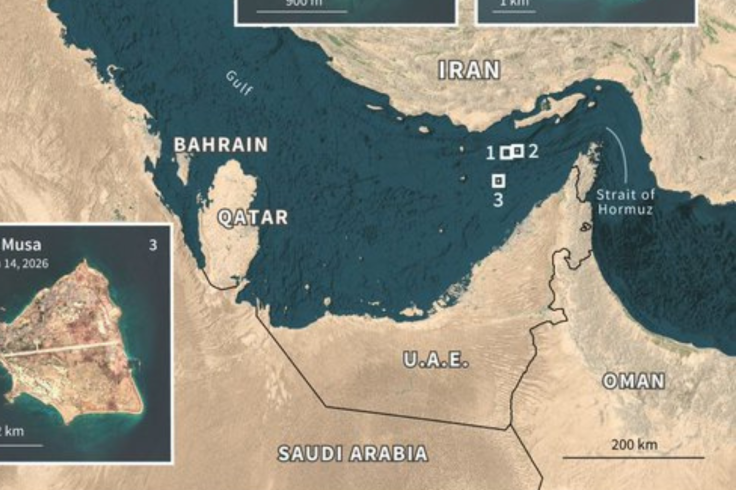
US and Iranian negotiators in New York are discussing a phased arrangement that would see the Strait of Hormuz reopened in return for Washington lifting its economic blockade of Iran, according to Iranian, regional and Western sources briefed on the talks.
Tehran could also regain access to some frozen assets as part of the arrangement, according to sources close to the discussions.
Iran is also understood to be prepared to defer, for now, one of its most contentious demands: a proposal to charge ships transit fees for passing through the strait. Regional sources said Tehran is weighing placing the toll proposal in a separate side agreement rather than making it central to any
Phased Deal Floated as Way Out of Seven-Month Standoff
A senior Iranian official said the only realistic route out of the near seven-month confrontation was to proceed in stages rather than seek a comprehensive settlement. 'One way forward would be to solve the crisis in stages.
The first would be to end the blockade and reopen Hormuz,' he said on the sidelines of the UN General Assembly, adding that Tehran might then regain access to some frozen assets.
Both sides, however, are reluctant to give up the leverage that brought them back to the table. Former US negotiator Dennis Ross said the blockade was 'strangling' Iran, while Tehran's role in Hormuz gives it direct influence over global oil flows.
An earlier understanding collapsed in July, leaving negotiators wary of another arrangement that could quickly fall apart. The Iranian official also struck a defiant note, saying Tehran was preparing for renewed confrontation and accusing Washington of using the economic blockade and threat of force as tools of coercion.
'Our fingers are on the trigger,' he said, arguing that 'because of their excessive demands, the chances of diplomacy resolving this are extremely low.' Both statements were attributed to the senior Iranian official, rather than presented as independent assessments of Tehran's intentions.
US Elections Tighten the Clock on Diplomacy
The talks are unfolding against the backdrop of US domestic politics. President Donald Trump has suggested a US-Iran agreement is more likely after the 3 November midterm elections, a position that has added another element to the diplomatic timeline.
Ross put the chance of a pre-midterms deal at 30 per cent, but said both capitals had reasons to move sooner. A reopened Hormuz could ease Gulf tensions and lower US petrol prices ahead of the vote, while Iran's chances of securing economic relief could be greater while Trump has a political incentive to strike a bargain.
Gulf leaders, who met Trump separately in New York, have rejected any suggestion of Iranian control over the strait and demanded that freedom of navigation be fully restored, while also urging sustained diplomacy to avoid the region being drawn into a wider US-Iran conflict.
A Western official said: 'It is all about opening the Strait of Hormuz. We're all under pressure domestically and the Iranians know that.'
Some 80 countries issued a joint statement at the UN General Assembly calling for the urgent reopening of the waterway and condemning Iran and its Houthi allies over attacks in the region and disruption to international trade and energy security.
Iranian President Masoud Pezeshkian, in a meeting with Dutch Prime Minister Rob Jetten in New York, said Tehran remained open to dialogue but blamed Washington for actions that he said had derailed previous diplomatic efforts.
According to the Iranian presidency, Pezeshkian said negotiations had repeatedly been followed by actions that disrupted the diplomatic process and ultimately led to war.
Analysts Warn Blockade May Fuel Further Escalation
Analysts see little sign of a real shift in core positions. Danny Citrinowicz, a former Israeli military intelligence officer, and Alan Eyre, a former US Iran negotiator, both suggested the blockade could push Tehran towards further escalation rather than compromise.
'The blockade is hurting them, but rather than softening their position, it is likely to drive them to escalate because they believe that if they soften their position, they are dead,' Eyre said.
Washington wants pressure to force concessions; Tehran wants pressure lifted before conceding anything; and Gulf states want tensions eased without turning the strait into a permanent bargaining chip. With the midterms approaching, all sides are watching the calendar closely.
© Copyright IBTimes 2026. All rights reserved.
- Recommended For You