Jimmy Lai Net Worth and Trial Fallout: What the Guilty Verdict Means for His Money and Why This News Matters
Frozen assets and legal uncertainty now surround the jailed media tycoon
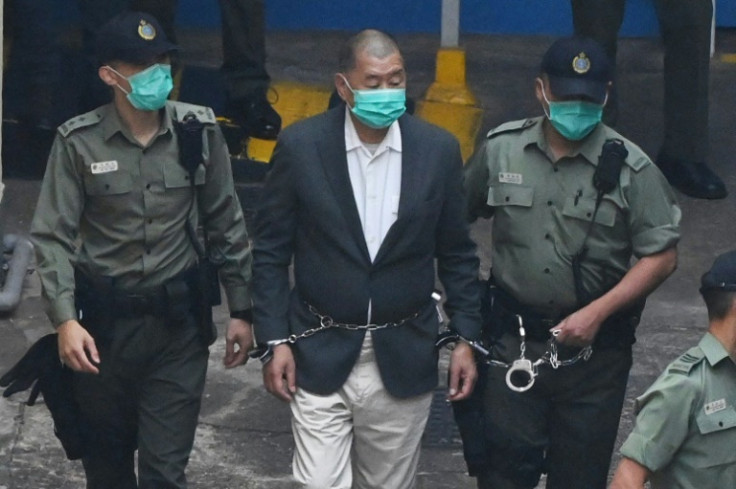
The conviction of former media tycoon Jimmy Lai in Hong Kong's most closely watched national security trial has not only sealed the fate of one of Beijing's fiercest critics but has also reignited global scrutiny over a question now dominating international headlines: what happens to his money.
According to a report by CNN, Lai, once a self-made billionaire and one of the city's most influential publishers, now faces the possibility of life imprisonment under China's sweeping National Security Law, while much of his vast fortune remains frozen and potentially at risk of permanent confiscation.
On Monday, Hong Kong's High Court found the 78-year-old founder of the now-defunct Apple Daily guilty on two national security charges, including collusion with foreign forces, as well as a lesser sedition offence.
The verdict followed a marathon trial lasting nearly two years and was widely viewed as a test of Hong Kong's judicial independence under Beijing's rule.
Judges ruled that Lai was the 'mastermind of the conspiracies' alleged by prosecutors, concluding that his 'only intent was to seek the downfall of the Chinese Communist Party'. Sentencing will be announced at a later date, with collusion punishable by life imprisonment under the security law.
From Billionaire Publisher to Prison Inmate
Before his arrest in 2020, Jimmy Lai was among Hong Kong's most recognisable business figures. Having arrived in the city from mainland China at the age of 12, he rose from factory labourer to retail magnate, founding clothing chain Giordano before pivoting to media.
His most influential venture, Apple Daily, launched in 1995, became one of Hong Kong's most widely read tabloids and a fierce critic of Beijing. Its unapologetically pro-democracy stance placed Lai at the centre of the city's political battles in the years leading up to the 2019 mass protests.
At the height of his success, Lai's net worth was estimated at around $1.2 billion (£950 million). That fortune began to unravel rapidly following his arrest.
Assets Frozen and Empire Dismantled
Hong Kong authorities froze large portions of Lai's assets soon after his detention, including shares in his media group Next Digital and related bank accounts, under national security provisions.
The situation deteriorated further in 2021 when Apple Daily was forced to shut down following police raids and the arrest of senior executives, wiping out the commercial value of Lai's flagship media business almost overnight.
Court filings revealed during the trial showed that Lai had limited access even to funds for legal expenses, underscoring how tightly his finances had been constrained long before Monday's verdict.
What the Guilty Verdict Means for His Money
The guilty verdict has raised fresh questions about whether frozen assets could now be permanently confiscated. Under Hong Kong law, asset freezes imposed during investigations can escalate to forfeiture following conviction, particularly in national security cases.
Legal experts say that while freezing restricts access, forfeiture would allow the state to take ownership of assets deemed connected to the offences. Although the court has not yet ruled on confiscation, the risk has increased significantly following the conviction.
Any decision on forfeiture could also affect how Lai's remaining wealth is managed, including assets held through family members, trusts or overseas arrangements.
A Case Watched Around the World
The trial drew condemnation from supporters and foreign leaders, including US President Donald Trump, who had previously vowed to 'get him out' during his first term, according to CNN.
Judges cited Lai's lobbying of US officials, including meetings with then Vice President Mike Pence and then Secretary of State Mike Pompeo, as well as a New York Times opinion piece published in May 2020, as evidence of collusion with foreign forces.
In their ruling, judges compared Lai's actions to 'an American national asking Russia to bring down the US government'.
Lai appeared calm as the verdict was delivered, greeting his wife and son with a wave before removing his glasses and wiping his face as he was led from the courtroom.
What Happens Next
Lai remains in custody as he awaits sentencing, with his legal team expected to pursue appeals. For now, his once vast fortune exists largely on paper, overshadowed by legal restrictions and the real prospect of life behind bars.
Beyond one man's downfall, the case has become emblematic of Hong Kong's transformation under the National Security Law. While authorities say it has 'restored stability', critics argue it has dismantled civil society, silenced independent media and narrowed political freedoms.
For Jimmy Lai, the fall from billionaire publisher to convicted national security offender is now complete. What remains unresolved is whether the wealth he built over a lifetime will survive his downfall – or be lost along with his freedom.
© Copyright IBTimes 2026. All rights reserved.
- MOST POPULAR IN World