

JetBlue Plane Collision Scare Explained: What Happened in the Cockpit
Questions remain over airspace coordination and aircraft tracking
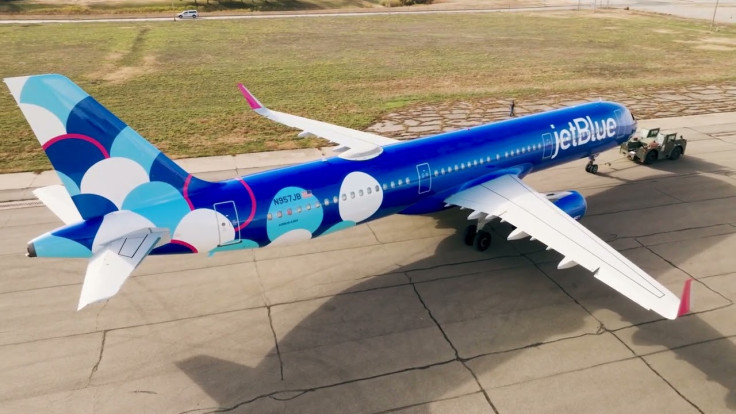
A JetBlue plane narrowly avoided a potential mid-air collision with a US military aircraft during a recent flight, prompting renewed questions about airspace coordination and cockpit decision-making. While no collision occurred and passengers were not injured, the close call has drawn widespread attention after details of the incident emerged through official reporting and air traffic control communications.
What Happened During the Flight
The incident involved a JetBlue aircraft operating a scheduled international service that was climbing shortly after departure when another aircraft appeared at a similar altitude. According to reporting confirmed by aviation authorities, the second aircraft was a US Air Force refuelling tanker operating in the region.
As the JetBlue plane climbed, its flight crew became aware of conflicting traffic ahead. The situation developed rapidly, leaving little margin for error. The aircraft did not make contact, but the proximity was close enough to be classified as a serious near miss.
What Happened in the Cockpit
Inside the cockpit, the JetBlue pilots responded by stopping the aircraft's climb to avoid entering the same flight path as the military plane. Air traffic control audio recordings confirm that the crew raised immediate concerns about the other aircraft's visibility and tracking.
The pilot reported that the military aircraft did not appear to have an active transponder, a device that allows aircraft to be seen clearly on radar systems. This absence limited the crew's ability to detect the tanker using standard onboard systems, increasing reliance on visual awareness and air traffic control instructions.
Aviation experts note that halting a climb is a recognised safety response when conflicting traffic is detected, particularly in congested or sensitive airspace.
How Close Was the Near Collision
Reports indicate the two aircraft came within several miles of each other. While that distance may sound significant to non-aviation audiences, commercial aircraft travel at high speeds and altitude changes can reduce separation quickly.
In controlled airspace, strict separation standards are designed to prevent exactly this type of encounter. Any unexpected loss of visibility or tracking can significantly raise risk levels, even if aircraft do not appear dangerously close to passengers onboard.
What JetBlue and Authorities Have Said
JetBlue has confirmed the incident and said the crew followed established safety procedures. The airline reported the event to federal authorities, as required under aviation regulations, and stated that passenger safety was never compromised.
At the time of writing, the US Air Force has not issued a detailed public explanation regarding the tanker's flight conditions or transponder status. Aviation regulators are expected to review the incident as part of standard oversight processes, though no enforcement action has been announced.
Why the Incident Is Raising Wider Safety Questions
The JetBlue plane collision scare has reignited discussion about coordination between civilian airlines and military operations. Commercial flights often share airspace with military aircraft, particularly near international boundaries or during training missions.
Regulators have previously advised airlines to exercise caution when operating near regions with heightened military activity. Incidents like this highlight how quickly routine flights can become complex when communication or tracking systems are limited.
What We Know So Far and What Remains Unclear
What is confirmed is that a JetBlue plane experienced a near collision, the cockpit crew intervened promptly, and the flight continued safely. What remains unclear is why the military aircraft was not transmitting full tracking data and whether any procedural lapses occurred.
As investigations continue, aviation authorities are expected to assess whether changes are needed to reduce the risk of similar incidents in the future.
© Copyright IBTimes 2026. All rights reserved.