

Pope Leo XIV Makes History With US Midterm Mail-in Vote After Public Disputes With Donald Trump
The Chicago-born pope submitted an absentee ballot while retaining American citizenship and serving as Vatican City's sovereign
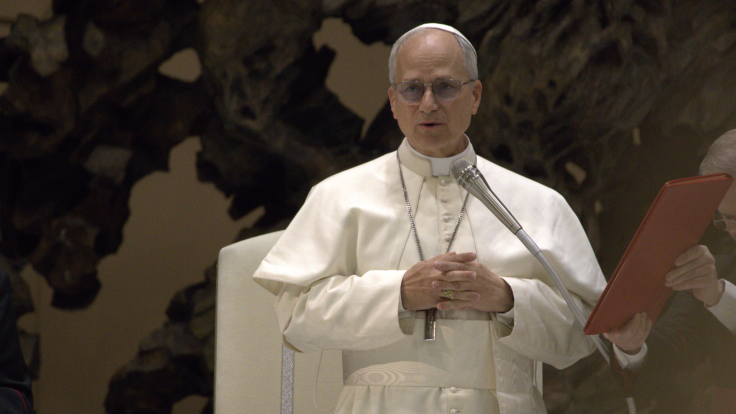
Pope Leo XIV has become the first sitting pontiff known to vote in a US general election, submitting an Illinois mail-in ballot.
The Vatican confirmed the historic vote on Friday, 30 October 2026, ahead of the 3 November midterms. His decision follows public disagreements with President Donald Trump over immigration and the Iran war.
The news came after the Chicago-born pope requested an absentee ballot through the Will County clerk's office on 3 October. Leo, formerly Robert Francis Prevost, retains American citizenship despite leading the Catholic Church and serving as Vatican City's sovereign.
Pope Leo XIV Defends His Right To Vote in US Elections
The Holy See confirmed that Leo had submitted his ballot in Chicago, describing voting as a longstanding personal practice.
'The Holy Father expresses his belief in the right and the duty of citizens to participate in democratic processes,' the Vatican said.
The statement added that Leo had also voted while living in Peru, where he spent more than two decades as a missionary and bishop.
His participation is unusual because the Vatican is an absolute monarchy without comparable national elections.
American citizens living overseas can generally vote through absentee ballots, including those employed by foreign governments.
Leo's position raises separate citizenship questions because he is also a foreign head of state. However, holding foreign public office does not automatically revoke American citizenship.
Pope Leo XIV's Voting History Includes Both Major US Parties
Illinois election records reveal that Leo previously requested ballots in Democratic and Republican primary elections.
He selected Democratic primary ballots in 2008 and 2010, followed by Republican ballots in 2012, 2014 and 2016.
That history offers an intriguing detail, but not evidence of his political allegiance.
Primary ballot requests do not reveal which candidates received his support. His choices in the latest election remain private.
Illinois voters are deciding whether Governor JB Pritzker should receive another term and choosing a successor to retiring Senator Dick Durbin.
Trump is not standing for election, although congressional races will determine which party controls the House and Senate during the remainder of his presidency.
The pope's ballot therefore arrives during an election with considerable consequences for Washington, without revealing his position on either party.
Pope Leo XIV's Public Disputes With Donald Trump
Leo has repeatedly criticised the treatment of immigrants and called for an end to the US-Israeli war with Iran.
Trump previously described the pontiff as 'weak' and influenced by the 'radical left,' prompting a public exchange.
'I'm not afraid of the Trump administration or of speaking out loudly about the message of the Gospel, which is what the church works for,' Leo told reporters.
The dispute has since eased, with Vatican foreign minister Archbishop Richard Paul Gallagher emphasising efforts to rebuild trust.
Gallagher said the Holy See maintains communication with Washington through US Ambassador Brian Burch.
Leo has also spoken against capital punishment and assisted dying, positions reflecting Catholic teaching rather than a declared party preference.
The US Conference of Catholic Bishops welcomed his electoral participation, encouraging Catholics to place 'our faith before our politics.'
Its public affairs director, Chieko Noguchi, said the pope's vote offered an example of civic responsibility.
Neither the Vatican nor Illinois election officials have disclosed which candidates received Leo's support.
© Copyright IBTimes 2026. All rights reserved.