Trump FCC Equal Time Threats Force Jimmy Kimmel To Move Key Texas Senate Interview to YouTube
Kimmel said the FCC threatened his show and local ABC stations over the Talarico interview
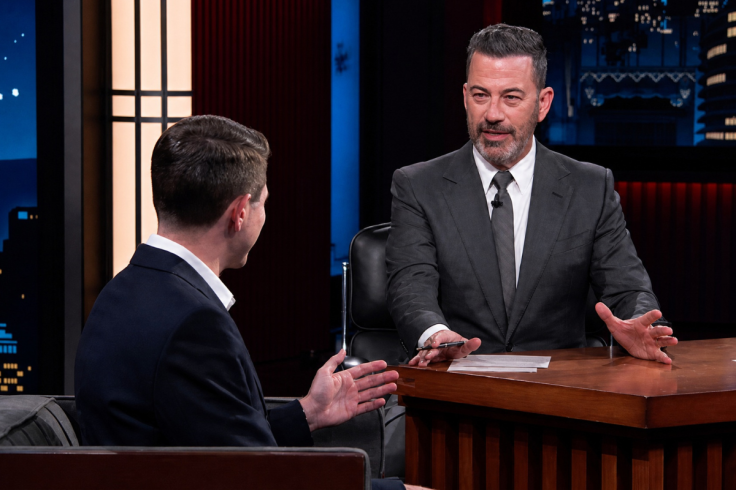
Jimmy Kimmel moved his planned interview with Texas Senate candidate James Talarico from ABC television to YouTube after saying the Federal Communications Commission had threatened his show, network and local affiliates over political guest bookings.
Kimmel announced the decision on 9 September, saying the move was made 'out of consideration for our local stations, especially our ABC affiliates in Texas,' which he said could face regulatory complications if the interview aired.
The 21-minute interview was released on the Jimmy Kimmel Live! YouTube channel on 10 September instead. Kimmel opened it by saying his show was 'being targeted by the FCC for the crime of interviewing political candidates.'
FCC Equal-Time Rules Put Kimmel Interview Online
The dispute centres on federal equal-time rules, which generally require broadcasters to provide equal opportunities to opposing political candidates when one candidate receives qualifying broadcast exposure.
The FCC's January guidance said daytime and late-night talk shows would not automatically qualify for the bona fide news interview exemption when hosting political candidates, potentially subjecting appearances to equal-opportunity requirements.
Kimmel said the FCC had 'threatened' his show, ABC and its local stations over 'traditional editorial decisions' involving political guests.
'We are bypassing the public airwaves and hosting this YouTube interview on YouTube,' Kimmel said.
He also pointed to his programme's history of interviewing political candidates, including Donald Trump when he was running for president.
The FCC has disputed Kimmel's characterisation of the dispute. FCC Chairman Brendan Carr later described Talarico's appearance as a 'hoax,' while the agency has maintained that equal-opportunity requirements can apply when a programme does not qualify for an exemption.
James Talarico Faces Second YouTube Interview
Talarico is a Democratic Texas state representative running for the US Senate against Republican Ken Paxton.
Kimmel highlighted that this was not the first time Talarico's television interview had been moved online because of equal-time concerns.
'This is not the first time you've been demoted to YouTube,' Kimmel told him.
Talarico's earlier interview with Stephen Colbert was similarly released online rather than broadcast on The Late Show. CBS disputed claims that it had prohibited the programme from airing the interview, while the FCC also scrutinised whether Talarico's appearance on ABC's The View qualified for the bona fide news interview exemption.
The repeated disputes have highlighted how the FCC's approach to political programming could affect candidate appearances on television talk shows.
Talarico Discusses Trump and Ken Paxton
The YouTube interview focused on Talarico's Senate campaign, including Trump's comments about him, Paxton, campaign fundraising and his political message.
Talarico claimed his opponents were concerned about his campaign, saying: 'They're worried that we're going to win this race in Texas.'
He also discussed his campaign's decision not to accept corporate political action committee money and criticised Paxton over his wealth and political record.
Trump's comments about Talarico were also discussed, with the president having criticised the Democratic candidate's appearance, faith and political statements.
The discussion also touched on the Republican National Convention in Dallas and Talarico's grassroots fundraising.
Kimmel's YouTube Interview Draws Millions
Moving the interview away from ABC did not prevent it from reaching a substantial audience.
The video had attracted more than 2.7 million views by the morning after its release and surpassed 8.3 million views within nearly 72 hours. By 17 September, it had passed 11 million views, according to reports.
The dispute remains focused on whether political candidate interviews on broadcast talk shows qualify for the FCC's bona fide news interview exemption and how equal-opportunity requirements should apply.
© Copyright IBTimes 2026. All rights reserved.
- Recommended For You