

Natural Diamonds Hit Century Lows: Why Lab-Grown Options Are Taking Over Engagement Rings
Lab-grown diamonds reshape engagement ring market as natural prices hit historic lows
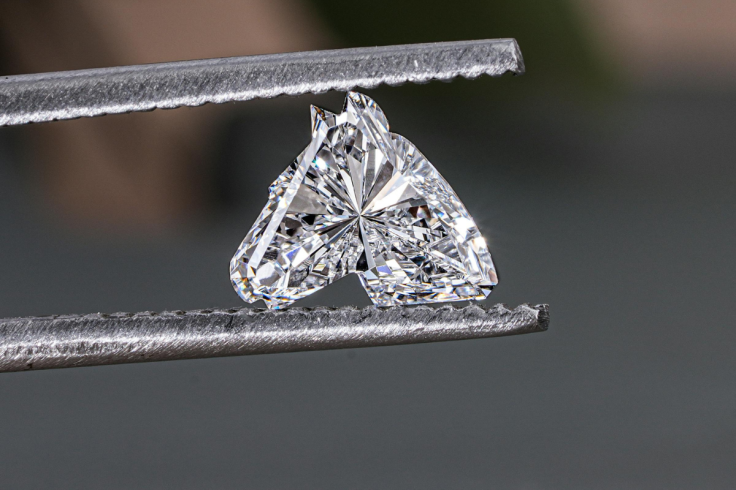
Natural diamond prices have fallen to their lowest levels this century as lab-grown alternatives gain rapid ground for engagement rings. Industry figures show a one-carat natural diamond averaged around £3,134 ($4,200) in 2025, down sharply from earlier peaks. A major survey of couples who married last year found 61 per cent selected a lab-grown centre stone for their engagement ring.
Natural Diamond Prices Reach Century Lows
The drop stems from expanded lab-grown production and softer demand for mined stones. Natural one-carat diamonds traded around £3,134 ($4,200) last year, compared with roughly £4,478 ($6,000) in 2021. Some measures indicate prices have more than halved since 2022, placing them at the lowest point in over a century.
The Street reported that global production capacity for lab-grown diamonds has risen more than 300 per cent since 2020. These stones, identical in chemical structure and certified under the same 4Cs standards by bodies such as the GIA, offer buyers a lower-cost option without sacrificing appearance or durability. Weak consumer spending in key markets has added pressure on traditional supply chains, with miners reporting slower sales of rough diamonds.
Industry observers note that this expansion, driven largely by manufacturers in India and China, has fundamentally altered the economics of the diamond trade.
Lab-grown Diamonds Reshape Engagement Ring Purchases
The Knot's 2026 Real Weddings Study, based on more than 10,000 couples married in 2025, reported that lab-grown diamonds featured in 61 per cent of engagement rings. This marks a 239 per cent increase since 2020 and follows the point where they first exceeded 50 per cent the previous year. In a recent Instagram reel the organisation noted couples embracing the option amid economic pragmatism and evolving values, with 40 per cent specifically prioritising a lab-grown stone.
Similar conversations feature in TikTok videos from jewellers explaining how these stones enable bigger or more customised designs at accessible prices.
@theclearcut This is how much you should be paying for a lab grown diamond #labgrowndiamond
♬ original sound - The Clear Cut
Average spending on engagement rings declined to £3,433 ($4,600) last year. Those choosing lab-grown stones secured larger average sizes, around two carats, against 1.6 carats for natural diamond rings.
Overall carat sizes across the market rose to 1.9 carats as couples took advantage of the value to select bigger stones. Oval cuts proved popular among lab-grown selections while rounds remained common for natural stones. Many couples redirected savings toward other aspects of their weddings or simply larger gems that better suited their preferences.
Miners Confront Preference Shift and Financial Pressure
Traditional diamond miners have faced significant headwinds. De Beers cited greater shifting of customer preference toward laboratory-grown diamonds as a factor in lower results in The Street report. Its parent company recorded substantial impairments and the business posted a net loss for 2025, prompting production cuts and output reductions of around 12 per cent.
The company has also scaled back its own lab-grown jewellery efforts to focus on natural stones as a premium category. Retailers and cutters report that lab-grown diamonds now represent a large and growing portion of sales, particularly for engagement pieces. Consumers value the consistency, traceability and value these stones provide.
The market shows signs of bifurcation, with lab-grown diamonds engagement rings becoming the practical choice for most new purchases and natural diamonds positioned for those seeking rarity and heritage. As of late May 2026 the trend shows little sign of reversing, with production adjustments continuing across the mined diamond sector.
© Copyright IBTimes 2026. All rights reserved.