Latina Business Owner Says She Won't Work With a 'Certain Group of People' and the Internet Is Divided
The cleaning business owner cites clashes over pricing, payment, and treatment of blue-collar workers
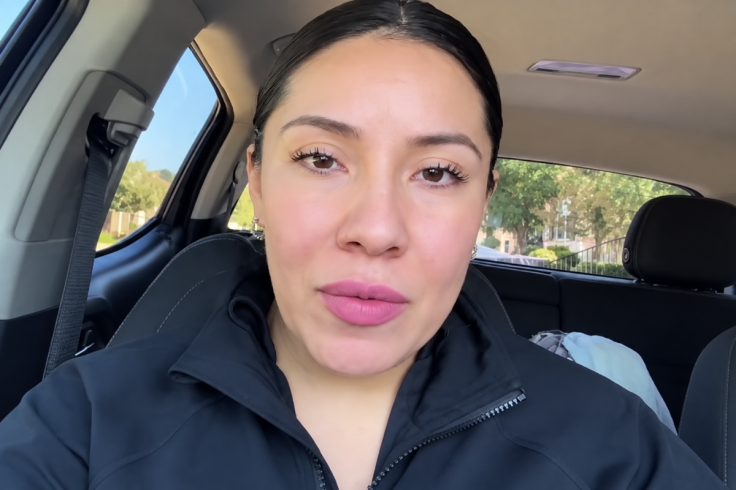
A residential cleaning business owner has triggered a heated online debate after saying her company will not work with a 'very small group of people'.
In the video posted by Info Battle Maiden/@info_maiden on X, the Mexican business owner describes customers allegedly seeking lower prices after accepting a quote, offering to recommend her to friends in exchange for cheaper work, and refusing to pay the full amount. She also complains about behaviour in public and makes broader comments about hygiene, religion, and alleged visa fraud.
The speaker does not name the group in the opening remarks provided. However, surrounding posts and subsequent discussion identify the controversy as involving Indian customers. A report published on YouTube last 22 September by @CrowderBits also later described the dispute as involving a Mexican cleaning-service provider and Indian-American clients.
It’s not just White people.
— Info Battle Maiden (@info_maiden) September 20, 2026
Mexican cleaning ladies don’t want to deal with them either. pic.twitter.com/l4iY5VVvT6
The Dispute Started With Pricing and Payment
The business owner says her frustration began with what she describes as customers undervaluing manual work. She claims some clients agree to a price before attempting to negotiate once the job is complete. She also objects to customers allegedly asking for a discount on the promise of recommending the business to friends.
'Why would you think that I would want to give all your friends and you a discount?' she says. She argues that cleaning work should not be treated as less valuable because it is blue-collar employment.
The speaker compares cleaning with professional occupations after describing a customer who allegedly objected to paying for the work because of their own profession. '"I'm an engineer." And it's like okay, you're an engineer, I'm a cleaner,' she says. Her wider argument is that customers should pay the agreed price regardless of the type of work being performed.
Her Complaints Expanded Beyond the Workplace
The video then moves from business disputes to complaints about how members of the group allegedly behave in everyday situations. The woman describes people allegedly pushing past others in shops and showing little regard for those around them. She also makes derogatory remarks about body odour and refers to religious beliefs before saying people should use deodorant.
She later mentions alleged visa fraud, but provides no evidence in the video for the claim. Those remarks significantly broaden the controversy.
What begins as a complaint about the economics of running a cleaning business becomes a discussion about whether negative experiences with individual customers can reasonably be applied to a wider ethnic or national group. The business owner insists that her criticism is about conduct rather than race, saying: 'It is about the morality. It is about the way you conduct yourself.'
X Reactions Show Two Very Different Readings
Replies to the post sharing the video reveal competing interpretations of what the woman is saying. One commenter defended her position, arguing that the criticism should focus on 'the contents of their character' rather than the business owner's background.
Another accused the speaker of making unsupported claims and argued that she offered 'no facts no proof' for the broader allegations. A separate commenter made sweeping claims about Mexicans, Indians, welfare, immigration, and crime. Those claims were not supported with evidence in the post and are not treated here as established facts.
The reactions demonstrate why the clip has travelled beyond a dispute between a cleaner and difficult customers. Some users see it as a small-business owner describing specific experiences, while others see the language as stereotyping an entire community.
What Remains Unclear About the Claims
The available material does not establish a formal company policy refusing service to every Indian customer, nor does it establish how many customers were involved in the alleged disputes. There is also no independent evidence confirming the woman's claims about customers refusing payment, public behaviour, hygiene, or visa fraud.
That distinction is important for businesses setting customer boundaries. A company can refuse individual work because of payment disputes, abusive conduct, unreasonable demands, or disagreements over pricing. That is different from establishing that members of an entire ethnic group share those characteristics.
The controversy therefore raises a broader question about customer discrimination and small-business boundaries: where does a legitimate decision to avoid problematic customers end and group-based stereotyping begin? The answer cannot be established from the viral clip alone, but the disagreement over that distinction has become the central issue driving the online reaction.
© Copyright IBTimes 2026. All rights reserved.
- Recommended For You