

Stephen Miller Has Reportedly Advocated for Criminal Investigations Into Journalists Over Leaks
The allegation, reported by The Atlantic, was rejected by the Justice Department as 'absolutely false', while no decision to arrest journalists was reported
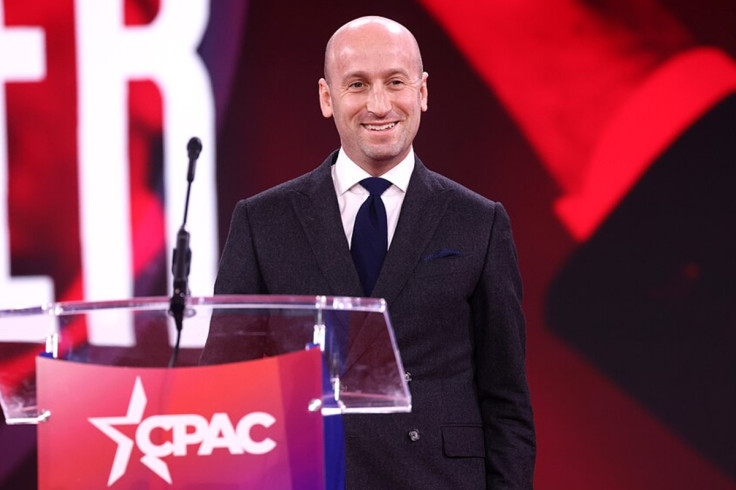
Stephen Miller, due to become White House chief of staff on 9 November, reportedly backed private discussions about arresting journalists to expose confidential sources. The Atlantic reported the allegations, and The Daily Beast carried its account on 7 November.
Three people familiar with the discussions told The Atlantic that officials considered arresting journalists to pressure them into identifying sources. Miller reportedly supported the idea. These are claims from unnamed sources, not confirmed government action.
Trump announced on 6 November that Miller would replace Susie Wiles. Miller, then deputy chief of staff, is due to take up the post on Monday. Wiles, 69, is moving to the Trump political operation, according to Trump's announcement.
The Justice Department, led by Attorney General Todd Blanche, rejected the account. A spokesperson told The Atlantic: 'This is absolutely false.' The spokesperson did not elaborate.
A White House spokesperson said 'unauthorised leaks' would 'NEVER be tolerated.' The spokesperson added: 'They endanger American lives and threaten our national security. Those responsible must be held accountable.' The statement condemned leaks but did not specifically address the reported discussions about arresting journalists.
The Daily Beast based its report on The Atlantic's account. Neither outlet reported that a decision had been made.
What The Report Says About Miller's Role
The Atlantic described Wiles as a 'guardrail' against Trump's impulses and Miller as an 'accelerant.' People familiar with the president's thinking reportedly said Trump wanted an aide prepared to 'crack skulls' and did not want to be 'reined in.'
One person familiar with the decision recalled Trump saying: 'Stephen is the only one who gets stuff done. I need more people who get stuff done.'
The First Amendment protects press freedom, but it does not give journalists full immunity from lawful investigations or subpoenas. Forcing reporters to name their sources could still raise constitutional questions.
Previous Justice Department Actions Against Journalists
In January 2026, the FBI searched Washington Post reporter Hannah Natanson's home during an investigation into a government contractor accused of mishandling classified information. Agents seized devices; a federal court subsequently ruled that the Privacy Protection Act barred prosecutors from searching the journalist's materials.
In June, the Justice Department sought grand jury testimony from four journalists: one at The Washington Post and three at The Wall Street Journal. The newspapers challenged the subpoenas, and the department withdrew them. The journalists faced potential contempt proceedings if they refused a court order.
In July, prosecutors subpoenaed New York Times journalists over reporting on security concerns involving the Qatari-gifted aircraft. The department also sought phone records belonging to reporters and relatives, according to court filings. On 23 July, prosecutors withdrew the subpoenas during a court hearing after a federal judge heavily questioned the government's handling of the leak probe.
© Copyright IBTimes 2026. All rights reserved.