

Elon Musk's DOGE Role Prompts Five-Year Prison Claim: What the Tax Disclosure Law Actually Covers
The law cited in the Instagram video sets a maximum penalty for certain wilful violations, not an automatic punishment for serving in government
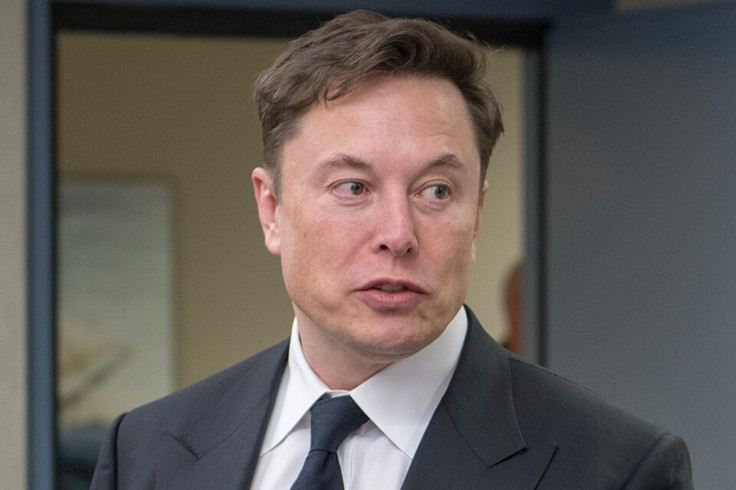
A viral Instagram video claims Elon Musk could face five years in prison over his role at the Department of Government Efficiency (DOGE). The maximum penalty exists in law, but it does not establish that a crime occurred. The material cited in the video identifies no criminal charge against him.
Musk served as an unpaid special government employee during DOGE's early months and left in May 2025, Forbes reported. Democrats questioned whether his business interests created conflicts of interest.
On 1 May 2025, House Oversight Democrats, led by then-ranking member Gerald Connolly, wrote to White House Counsel David Warrington. They sought records about Musk's duties, financial interests and disclosures. The letter raised concerns but did not establish wrongdoing.
The video links that letter to 18 U.S.C. Section 208. This is a conflict-of-interest law, not a financial disclosure law.
What Section 208 Actually Covers
Section 208 bars federal officials, including special government employees, from participating personally and substantially in particular government matters affecting their financial interests.
The law also covers financial interests held by a spouse, minor child or general partner. It applies to interests in organisations where the employee serves as an officer, director, trustee, partner or employee.
One waiver provision requires the employee to disclose the financial interest to the official responsible for their appointment and receive an advance written determination that the interest is not substantial enough to affect the integrity of their government service.
Section 216 sets out the penalties for violating Section 208. An offence carries a maximum prison term of one year, rising to five years for wilful conduct. Civil penalties can reach $50,000 per violation or the amount of compensation received or offered for the prohibited conduct, whichever is greater. The civil penalty is not calculated according to any profit the person may have made.
What the DOGE Video Leaves Unproven
A 5 February 2025 letter led by Homeland Security Committee ranking member Bennie Thompson challenged DOGE's access to federal data. It said Musk and his associates were not exempt from government security and privacy policies. It did not establish a Section 208 offence.
On 20 October 2026, US District Judge Denise Cote granted summary judgment to federal workers on their Administrative Procedure Act (APA) claims. The ruling addressed the Office of Personnel Management's decision to give DOGE broad access to personal records. It found that OPM had acted unlawfully, but it was not a criminal finding against Musk.
The Associated Press called Senate control for Democrats on 3 November and the House on 4 November. Representative Robert Garcia, incoming Oversight chairman, posted 'Lawyer up.' The post did not mention DOGE. Hakeem Jeffries, who announced his bid for speaker, said, 'Congress will assume its place as a check and balance on an out-of-control executive branch.'
Forbes reported on 5 November 2026 that legal experts expected scrutiny of DOGE after Democrats won control of Congress. It quoted Virginia Canter, chief counsel at the Democracy Defenders Fund, asking what information Musk accessed and how he used it.
In a December 2025 podcast with Katie Miller, Musk called DOGE 'a little successful'. He said he would rather have worked on his companies.
The video cites a genuine law, but five years is the maximum penalty for wilful violations, not an automatic consequence of serving at DOGE. A prosecution would require evidence of prohibited conduct and the necessary criminal intent. Congressional scrutiny, civil litigation and criminal charges are separate processes.
© Copyright IBTimes 2026. All rights reserved.