

Lindsay Clancy Trial Fuels Gender War as Postpartum Psychosis Debate Collides With Women's Voting Rights
The mistrial in Clancy's case has intensified discussions on mental health, feminism, and women's voting rights
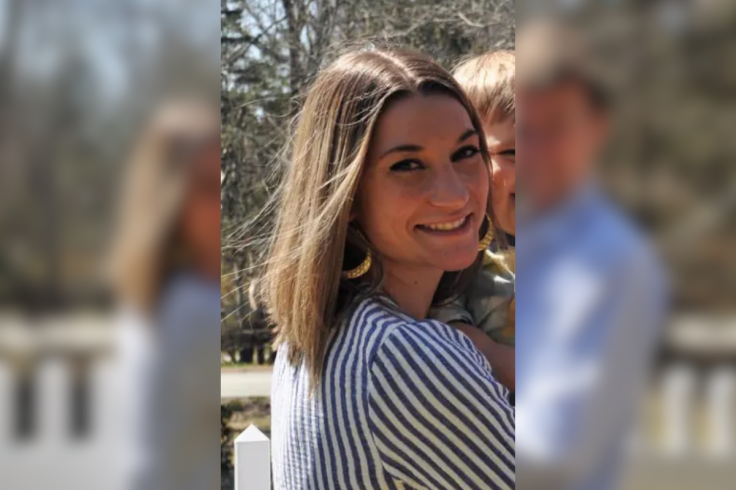
The Lindsay Clancy murder case has erupted into an extraordinary political battle over postpartum psychosis, feminism and women's voting rights after her trial ended in a mistrial, pushing the Massachusetts tragedy into a wider American culture war.
Clancy, 35, killed her three children in January 2023 after months of reported mental health struggles. While debate has centred on whether postpartum psychosis affected her criminal responsibility, sympathy for the mother has triggered a fierce backlash, including provocative calls from some conservative commentators and social media users to 'repeal the 19th', referring to the constitutional amendment protecting women's right to vote.
Clancy Trial Reignites Postpartum Psychosis Debate
Clancy killed five-year-old Cora, three-year-old Dawson and eight-month-old Callan at the family's home in Duxbury, Massachusetts.
Before the killings, Clancy had repeatedly sought help for her deteriorating mental health. She had been treated by multiple healthcare providers and prescribed numerous medications, with her mental state subsequently becoming central to the legal proceedings and intense public reaction surrounding them.
The case has also highlighted the distinction between postpartum psychosis and ordinary emotional or hormonal changes following childbirth. The controversy centres on whether severe psychiatric illness affected Clancy's ability to understand or control her actions, rather than whether she killed her children.
'Repeal the 19th' Calls Push Case Into Women's Rights Fight
The debate took an unexpected political turn as sympathy for Clancy became linked by some commentators to broader arguments about feminism and women's judgement.
The Federalist published commentary describing women who support Clancy as the 'best argument for repealing the 19th Amendment', while a Washington Examiner piece argued that 'feminism should be on trial' alongside her.
The 19th Amendment, ratified in 1920, prohibits denying US citizens the right to vote based on sex.
Meghan McCain also weighed in, writing on social media that the prospect of a woman becoming US president had moved 'much further away' following the Clancy trial. Ann Coulter similarly suggested the case had damaged arguments for electing a female president.
Postpartum Psychosis Debate Collides With Abortion Politics
The political fallout has extended into America's continuing battle over abortion restrictions following the overturning of Roe v Wade.
Commentary surrounding the case has raised questions about how laws restricting abortion account for serious mental health risks connected to pregnancy and childbirth.
Clancy's case itself did not involve abortion. Instead, it has become part of a broader discussion about whether recognising severe pregnancy-related psychiatric conditions complicates political arguments surrounding maternal health and abortion restrictions.
The source commentary argues that acknowledging postpartum psychosis as a serious condition could intensify scrutiny of abortion laws that do not provide exceptions specifically for psychiatric emergencies.
Lindsay Clancy Supporters Become Focus of Gender Divide
Women who expressed sympathy for Clancy outside Plymouth Superior Court have themselves become part of the controversy.
Critics have questioned whether that support reflects a double standard over criminal responsibility, while supporters argue that acknowledging severe mental illness does not mean excusing the deaths of three children.
The case has also prompted women to publicly discuss their experiences with postpartum depression and psychosis, widening the conversation beyond Clancy's criminal proceedings.
The competing reactions have pushed the case into a broader national debate over mental health, motherhood, abortion politics and women's place in American public life.
© Copyright IBTimes 2026. All rights reserved.