

Six Christians, Including a Minor, Detained in Egypt Over TikTok Comedy Clip
A brief comedy clip has become a test of religious freedom, legal safeguards and the limits of online expression in Egypt
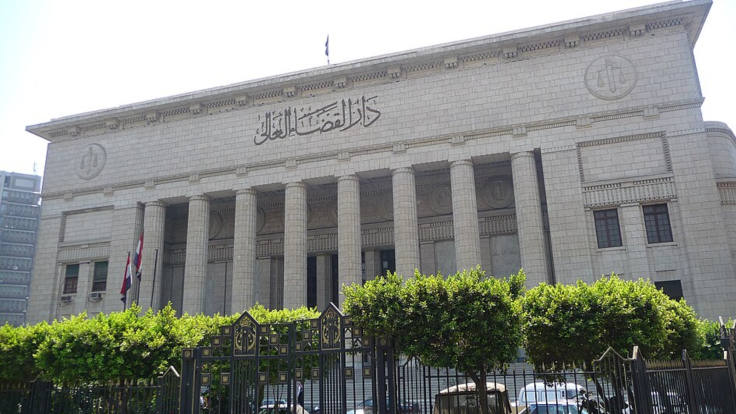
Six young Christians, including a 17-year-old, were detained in Egypt's Minya province in October 2026 after posting a TikTok video recreating a scene from a comedy film. The film had previously received official censorship approval, according to a rights group.
The six, aged between 17 and 23, remained in custody on 22 October, legal advocacy organisation ADF International said. Their video featured audio from Khalawis, released in Egyptian cinemas in 2018.
The Egyptian Initiative for Personal Rights (EIPR) describes the investigation as a blasphemy case. Defence lawyer Hazem Salah identified two formal accusations, exploiting religion to promote extremist ideas and insulting a publicly practised religion. No conviction has been reported.
How a TikTok Comedy Clip Reached State Security Prosecutors
The six come from Ezbet Tanious, in Taha al-Aamida village in Minya's Samalout district. Their video recreated a scene in which prisoners attempt to pray without knowing the necessary Quranic verses.
EIPR says Egyptian censorship authorities approved Khalawis before filming and that the comedy continues to appear on satellite television. The organisation's account has not been independently corroborated with censorship records.
According to EIPR, the men told prosecutors they uploaded the video on 4 October without anticipating a backlash. They removed it within hours after warnings from friends.
A villager subsequently reposted the clip with condemnatory comments, EIPR says. The organisation reported demands for the men's arrest and threats of violence against them and their relatives. Those online reactions have not been independently authenticated.
Families and church representatives brought five of the six to Samalout police station on 6 October, according to accounts EIPR collected locally. The group says police promised to release them once tensions eased.
The sixth reportedly told prosecutors he surrendered after officers detained his mother while searching for him. That account, including the allegation against police, remains independently unverified.
On 9 October, priests from the Diocese of Samalout, Muslim clerics and village elders attended a customary reconciliation meeting. The diocese formally apologised to the village's Muslim residents.
The investigation continued nevertheless. The Supreme State Security Prosecution questioned the six on 10 October under Case No. 8430 of 2026 and ordered four days of detention pending investigation.
A judge at the Tagamoa court extended their detention by 15 days on 11 October. EIPR's Arabic-language statement says their defence lawyers were absent when that decision was made.
Speaking to Al Manassa, Salah said the defendants denied intending to insult Muslim worshippers. He also questioned why the police arrest report reportedly bore the date 9 October, although families said five men were handed over on 6 October. The police report itself was not independently examined.
Why the TikTok Blasphemy Case Raises Legal Questions
EIPR says hundreds of other TikTok videos reuse the same Khalawis dialogue and soundtrack. It argues that recreating a comedy scene should not warrant detention, warning that prosecutions could worsen local sectarian tensions.
The organisation also says it has documented at least 111 people targeted for expressing religious beliefs or views. Its statement does not specify the period covered or suggest all were Christians.
Kelsey Zorzi, ADF International's senior counsel and vice president of international advocacy, described similar cases as 'tragically common in Egypt'.
'Christians should never have to fear punishment for sharing a post,' she said, calling for the six to be freed.
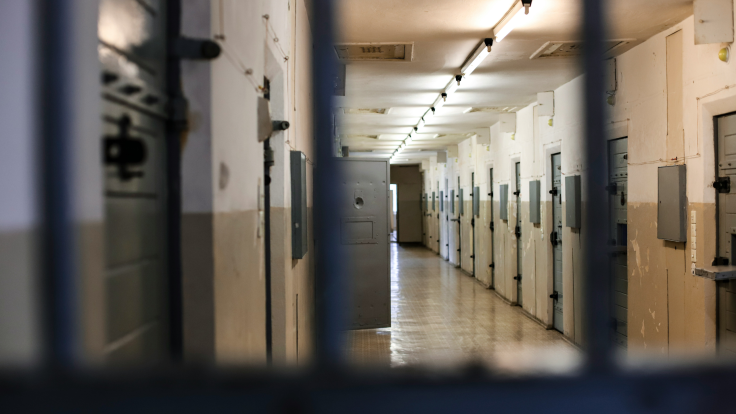
Egypt's constitution protects freedom of belief under Article 64 and expression under Article 65. Article 98(f) of its Penal Code also criminalises certain uses of religion to promote extremist ideas or show contempt for religion. The provision can carry imprisonment of six months to five years, although these men have not been sentenced.
Christian advocacy organisation Open Doors says accusations of blasphemy can expose Christians, particularly in rural communities, to intimidation and violence. Such broader reports do not establish what happened in this particular case.
ADF International's statement confirmed detention on 22 October. No subsequent court ruling or release had been independently established by 25 October.
Nor has a case-specific response from Egyptian prosecutors been independently confirmed. The original detention orders and police arrest report remain important outstanding records, particularly given the defence lawyer's account of the disputed arrest date.
© Copyright IBTimes 2026. All rights reserved.