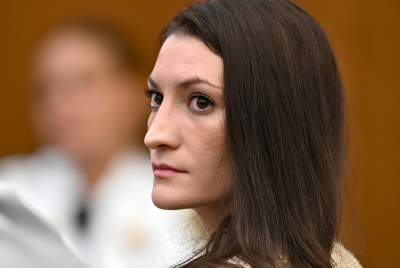
Lindsay Clancy Trial Update: Defense Argues Postpartum Care Providers Failed Mother
Defence lawyers grilled Lindsay Clancy's psychiatrist over telehealth reliance during a tense cross-examination on Monday
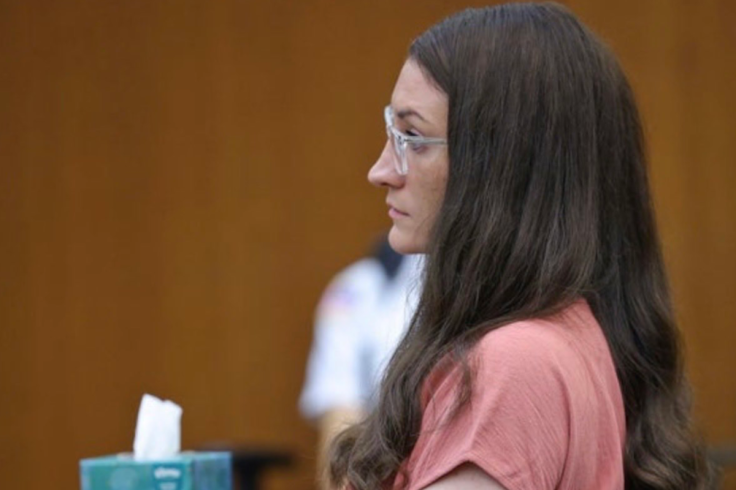
Dr Jennifer Tufts faced aggressive cross-examination at Plymouth Superior Court on Monday, as defence lawyers questioned whether the psychiatrist's treatment adequately addressed Lindsay Clancy's deteriorating mental health in the months before the Duxbury mother killed her three children.
The tense questioning formed the backbone of a strategy focused heavily on the medical care Clancy received before the killings and whether her mental state affected her criminal responsibility.
The news came as Clancy, who does not dispute killing her children, stands trial after pleading not guilty to three counts of murder. After the killings, she jumped from a second-floor window and was left paralysed from the waist down.
Prosecutors maintain she acted deliberately and should be held criminally responsible, whereas her legal team argues she suffered from postpartum psychosis and lacked criminal responsibility at the time of the killings.
Psychiatrist's Remote Care Faces Intense Scrutiny
Defence attorney Kevin Reddington pressed Tufts on her clinical choices, repeatedly questioning her experience treating postpartum patients. He questioned Tufts about how many postpartum women she had treated before Clancy and whether she had authored medical articles on the complex topic of maternal mental health.
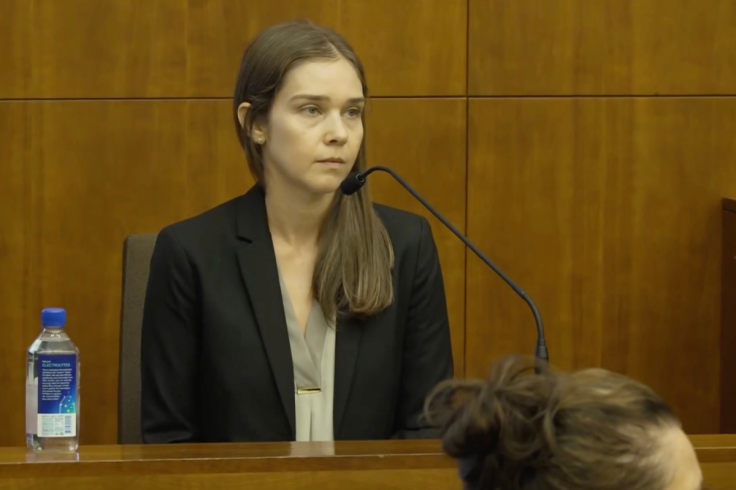
The courtroom was packed to capacity, marking the highest spectator turnout since the emotional testimony of Clancy's former husband, Patrick, during the first week of the trial. Observers watched closely as Reddington highlighted the fact that Tufts treated Clancy through telehealth appointments and did not meet her in person during their treatment relationship.
Reddington also challenged Tufts over her handling of Clancy's medical history, particularly after Tufts acknowledged that she had not obtained records from an emergency department visit during the period she was treating her.
He repeatedly probed the thoroughness of the notes Tufts took during the telehealth sessions, challenging how deeply she questioned her patient when the young mother reported feeling hopeless. The questioning placed Tufts' treatment decisions and the information available to her at the time under close scrutiny as the defence sought to establish that Clancy's psychiatric condition had deteriorated before the killings.
A Separate Legal Battle Brewing
Beyond the criminal proceedings currently unfolding, Tufts is named as a defendant in a separate medical malpractice lawsuit brought by Clancy over the psychiatric care she received before the deaths of her children. That parallel civil claim accuses Tufts and other medical providers of failing to properly diagnose and treat Clancy's psychiatric condition.

The overlapping litigation adds another layer of complexity to the murder trial, as medical professionals who treated Clancy are now being questioned about their clinical decisions. Jurors are being asked to consider psychiatric assessments and medication management while determining whether Clancy was criminally responsible for killing her children.
Focus Shifts to Nursing Staff
Later in the afternoon, prosecutors called Julie Paul to the witness stand to provide further insight into the medical care Clancy received in the lead-up to the killings. Paul is a psychiatric nurse practitioner who also treated Clancy and was involved in prescribing medication during the months before the deaths.
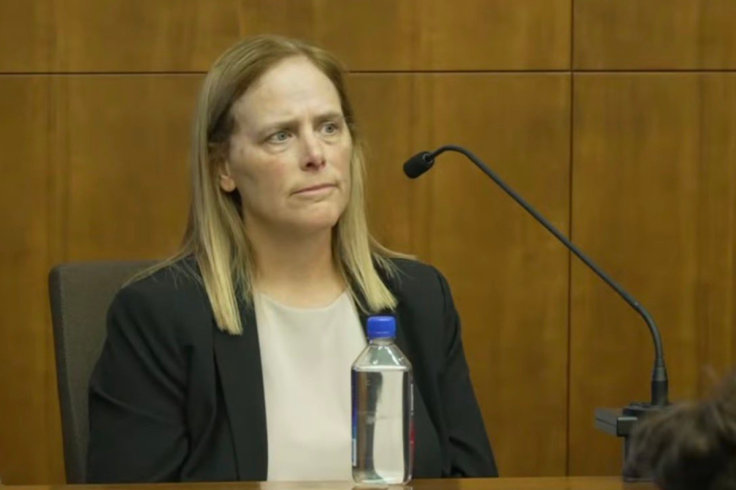
Her testimony is expected to resume on Tuesday morning, offering another perspective on Clancy's treatment and mental condition before the killings. Prosecutors have sought to establish that Clancy understood the nature and wrongfulness of her actions, while the defence argues that her mental illness prevented her from being criminally responsible.
The Weight of the Verdict
Clancy remains held without bail at Tewksbury Hospital, where she continues to receive treatment while paralysed from the waist down. Her medical and psychiatric condition has remained central to a trial examining both the killings themselves and her state of mind at the time.
If jurors ultimately find Clancy not guilty by reason of mental disease or defect, she would not simply walk free. She would instead be committed to a state psychiatric facility and undergo periodic reviews to determine whether she could safely return to the community.
The trial forces those involved to confront difficult questions surrounding severe maternal mental illness and the limits of psychiatric treatment. At its centre, however, is the narrower legal question facing the jury: whether Clancy was criminally responsible when she killed her three children or whether mental illness prevented her from appreciating the wrongfulness of her actions.
© Copyright IBTimes 2026. All rights reserved.
- Recommended For You