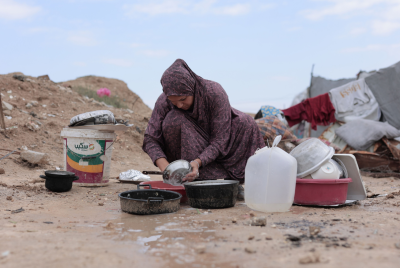
Former Rohingya Champion Malaysia Begins Sending 1,476 Myanmar Nationals Home as UN Warns Returns Are Unsafe
The first group has left under a voluntary programme targeting about 5,000 people, while the UN refugee agency says it was not involved and Myanmar's conflict continues
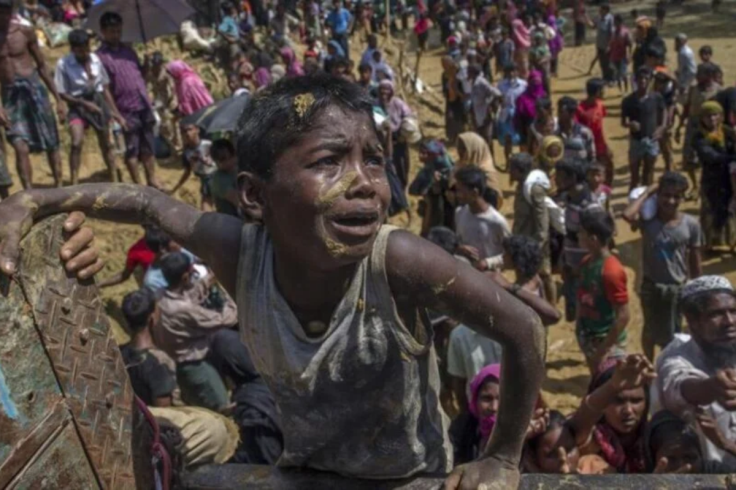
Malaysia, a country that once urged the world to act on the Rohingya crisis, has begun repatriating 1,476 Myanmar nationals under a voluntary return programme, despite warnings from the UN Refugee Agency and rights groups about conditions in Myanmar.
The first group left Malaysia on Tuesday, 29 September, as part of a plan involving about 5,000 people being returned in stages.
The Malaysian Home Ministry said the returnees had agreed to leave and would travel aboard two Myanmar naval warships and a hospital ship. The group includes 1,370 men, 79 women, 20 boys and seven girls. Their identities have not been publicly disclosed, and it remains unclear whether any of the returnees are Rohingya.
UN Refugee Agency Says It Played No Role
The UN Refugee Agency (UNHCR) said it was not involved in Malaysia's repatriation programme. In a 1 September statement, the agency warned that ongoing conflict and violence meant Myanmar remained unsafe for return, saying refugee returns should be voluntary, based on an informed decision and carried out in conditions of safety and dignity.
Prime Minister Anwar Ibrahim has defended the repatriation programme, saying Malaysia cannot accommodate refugees indefinitely and that Myanmar must take responsibility for its citizens.
In a podcast, Anwar said he plans to invite Myanmar leader Min Aung Hlaing to Malaysia to discuss the long-running refugee and undocumented migrant issue. He also defended the invitation, saying it represented 'better diplomacy than just shouting angrily at Myanmar'.
Myanmar has said the programme does not involve Rohingya. Foreign Ministry official Han Win Aung said the returns involve Myanmar citizens and are not intended to bring back Rohingya, whose members are not recognised as citizens by Myanmar.
Rising hate and misinformation are changing attitudes towards the Rohingya in Malaysia, which once provided a safer place for those fleeing persecution in Myanmar.
— Al Jazeera English (@AJEnglish) September 29, 2026
The government has now begun repatriating Rohingya despite warnings over their safety https://t.co/EogOebUxFa pic.twitter.com/BXmCe3TJLV
A Shift From Malaysia's Stance in 2019
Malaysia's current approach contrasts with its position during the Rohingya crisis. In 2019, then-prime minister Mahathir Mohamad said Malaysia was operating a field hospital in Cox's Bazar, Bangladesh, while hosting close to 100,000 registered Rohingya refugees.
Nur Sadek, executive director of Rohingya Rights Response, has been tracking hostile content online. He said it included clips of a content creator mocking Rohingya people and videos showing men stopping a Rohingya passer-by to question him.
Malaysia is preparing to return thousands of Myanmar nationals, including Rohingya, with the first group of 1,476 scheduled to leave on September 29. The forced returns come as Malaysian Prime Minister Anwar Ibrahim plans to host Myanmar junta leader Min Aung Hlaing in Kuala… pic.twitter.com/8ruWzygMTi
— Fortify Rights (@FortifyRights) September 28, 2026
'A lot of the community members are very afraid to go outside and to be recognised as a Rohingya,' Sadek said. Online petitions demanding the expulsion of refugees and other marginalised groups have gathered hundreds of thousands of signatures, according to Al Jazeera.
Sadek said the backlash had now reached even the informal work many families depend on, such as jobs in car washes and restaurant kitchens. 'It is affecting the livelihoods of every Rohingya,' he said.
More than 3,500 people are expected to be returned under the current plan. Malaysia has not said how many of those who left on Tuesday are Rohingya, while Myanmar maintains they are not.
UNHCR has said it was not involved in the repatriation process and has warned that ongoing conflict and violence mean conditions do not currently allow for safe, dignified and sustainable voluntary returns.
The timing also carries weight beyond Malaysia. The International Court of Justice is expected to rule later this year on The Gambia's genocide case against Myanmar, while the future of Malaysia's refugee population remains at the centre of debate.
© Copyright IBTimes 2026. All rights reserved.
- Recommended For You