

Jeffrey Epstein Was Murdered, Not Dead by Suicide, Forensic Scientist Claims After Examining Autopsy Files
Neck and shoulder injuries underpin Freeman's strangulation theory, but specialists caution that medical evidence alone cannot establish homicide
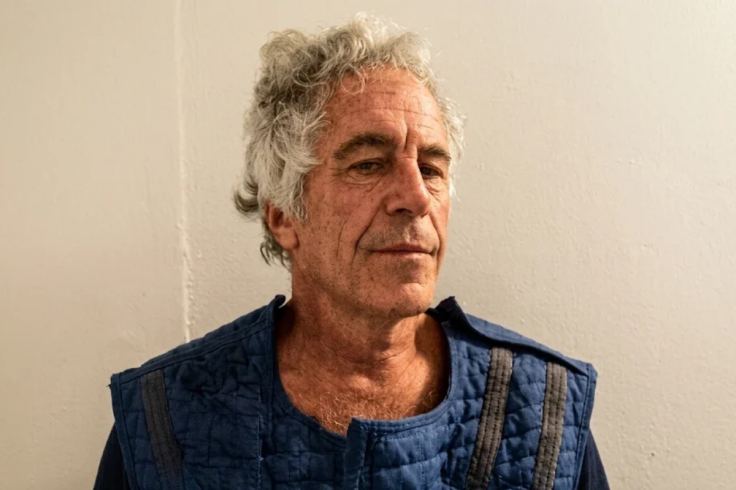
Forensic scientist Michael Freeman claims Jeffrey Epstein was strangled from behind, citing neck injuries, shoulder haemorrhage and a three-dimensional reconstruction based on autopsy photographs and records supplied by Epstein's brother. Freeman, who did not examine Epstein's body, presented his findings on Monday, 16 November, challenging the official suicide determination.
The New York City Office of Chief Medical Examiner stands by its original determination that Epstein died by suicide. Previous investigations have also found no evidence establishing that another person was responsible, although questions remain about the circumstances surrounding his death.
Other forensic specialists caution that the medical evidence alone cannot conclusively establish whether Epstein's death was suicide or homicide.
Epstein Autopsy Review Tests Hanging Scenario
Working with forensic medicine professor Anders Eriksson and forensic-bias researcher Itiel Dror, Freeman examined previously unpublished autopsy photographs and records. He constructed three-dimensional models based on the injuries visible in the photographs and the guard's subsequent account that he found Epstein hanging from a bedpost.
The biomechanical analysis mapped those injuries onto a model approximating Epstein's anatomy, size and shape to test the reported hanging scenario. Some neck abrasions were indicative of suicidal hanging, he acknowledged, but he argued that deep soft-tissue haemorrhage in the left shoulder, which he interpreted as evidence of blunt-force trauma, and an injury to the back were not adequately explained by the hanging scenario.
Neck Marks Underpin Strangulation Claim
A pronounced, jagged ligature mark branching into a Y-shape on one side of Epstein's neck is central to Freeman's interpretation. He also identified a second mark beneath and angled differently from the first, arguing that its position could not be explained by suspension from an anchor point above the body.
Professor Michael Freeman says believes that convicted sex offender Jeffery Epstein's death in prison was the result of a homicide, not suicide.
— Tom McArthur (@TomMcArthur) November 16, 2026
Story here: https://t.co/H6zbBs4E5k pic.twitter.com/8jVVXpO4vD
Freeman said what he believed were fingernail marks above the ligature mark, along with facial injuries, were consistent with a struggle. His alternative theory is that Epstein was strangled from behind using narrow, knotted fabric, although he said he had 'no idea' who might have been responsible.
Medical Examiner Maintains Epstein Suicide Finding
The medical examiner who conducted the autopsy maintained that the injuries supported the suicide determination. She noted no broken fingernails or defensive wounds on Epstein's hands and considered an abrasion on his arm probably attributable to convulsions during hanging.
A spokesperson for the medical examiner's office reiterated: 'Our office stands by its determination.' Other pathologists who reviewed some photographs considered the neck mark unusual for hanging, but some found the images compatible with suicide and cautioned against drawing conclusions from injuries alone.
Prison Failures Left Gaps in Evidence
The cell was never sealed for forensic investigation, much of the scene evidence was not properly preserved, and most surveillance cameras in the prison wing were not functioning. A separate piece of knotted orange fabric that Freeman believes could explain the injuries was not collected for the medical examiner, and its use as a weapon has not been established.
Federal investigators interviewed the guard who discovered Epstein, Michael Thomas, two years after the death. He had been charged with lying and falsifying prison records and provided a statement in exchange for leniency, but those failures do not independently establish homicide or a cover-up.
Earlier Epstein Challenge Also Disputed Official Account
Forensic pathologist Michael Baden previously questioned the suicide finding after being retained by Mark Epstein, arguing that the neck injuries pointed more towards murder. Mark Epstein also supplied the records for Freeman's review, which Freeman described as independent and unpaid.
Freeman said an academic journal rejected his report because reviewers considered criticism of a medical examiner's findings inappropriate for peer-reviewed publication. He said he planned to resubmit it.
Epstein Died While Awaiting Trial
Epstein was found dead at Manhattan's Metropolitan Correctional Center on 10 August 2019 while awaiting trial on sex-trafficking charges. He had briefly been placed on suicide watch the previous month.
The guard who discovered Epstein called for assistance before the body was lowered and resuscitation attempts began, Justice Department investigators established. Freeman's reconstruction tests that subsequent account rather than independently establishing what happened inside the cell.
© Copyright IBTimes 2026. All rights reserved.