'They Kept Us Like Animals': Afghan Woman Deported to Africa by Government Officials Speaks Out
An Afghan asylum seeker deported from US immigration detention to the Central African Republic says she was mistreated in custody and is now living alone, ill and without legal status or work

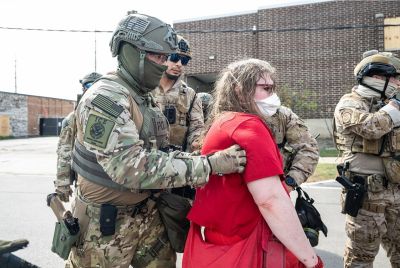
An Afghan woman deported by US immigration officials to the Central African Republic (CAR) on 28 August says she was treated 'like animal[s]' during detention before being put on a flight with dozens of men.
Farzana, 32, is living in the capital and largest city of the CAR, Bangui, without identity papers, work or family ties.
Farzana's lawyers filed an emergency motion that same day seeking a temporary restraining order to stop her removal.
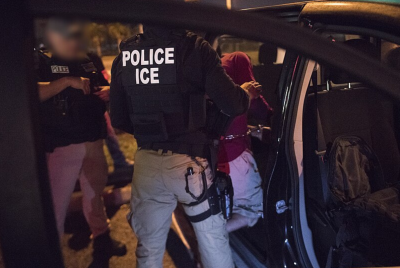
ICE nevertheless placed her on a flight to the Central African Republic while her counsel continued challenging her detention and deportation in federal court.
Afghan Woman Describes Years in ICE Detention
Farzana and her fiancé entered the United States through the southern border in May 2024 after seeking asylum through the Biden-era CBP One app.
Her fiancé had applied for a Special Immigrant Visa, a programme for people who assisted the US mission in Afghanistan and could face reprisals under Taliban rule.
Both were detained. Farzana later filed a habeas corpus petition contesting the legality of her continued detention, but her federal defender did not secure her release in Louisiana.
She described her years in custody as 'awful' and said officers treated her rudely. 'They kept us like animal[s],' she said, adding that her complaints were not taken seriously.
The online court docket shows the government opposed her habeas petition before her lawyers filed the emergency restraining-order request. Farzana was removed that same day. Three days later, the government submitted an order denying the motion.
Afghan Woman Faces Uncertain Life in Bangui
Farzana says she is 'safe only inside [her] room' in Bangui. She has no job and said she received only three months of resettlement support from the United Nations and the host country.
'The situation here is also dangerous,' she said through a messaging app. 'I have no ties, no understanding of culture, even I don't understand the language. Also, I can't return to my country due to Taliban. What is my future?'
She was diagnosed this week with Plasmodium falciparum, the parasite that causes the deadliest form of malaria, and said she feels 'hopeless'.
The World Bank said in 2023 that extreme poverty affected 70 per cent of the Central African Republic's population and that 90 per cent of residents lacked electricity.
Afghan Woman Case Highlights Third-Country Removals
Farzana's case has drawn attention to the Trump administration's use of third-country removals, where people are sent to countries with which they may have no previous connection.
Shawn VanDiver, president of AfghanEvac, said he had heard of 20 Afghan cases linked to Farzana's flight. He argued that such removals can leave refugees in countries where they cannot build stable lives and may later be pushed towards returning home.
An ICE memorandum from July 2025 states that removals can proceed without additional procedures when the United States receives credible diplomatic assurances that a person will not be persecuted or tortured in the receiving country.
Polling by AfghanEvac and HIAS found that 84 per cent of surveyed Americans supported protecting Afghan allies and their families, while 63 per cent opposed deporting them to countries where they have no ties.
Farzana remains in Bangui, with no job and no path back to Afghanistan, where she says she cannot safely return.
© Copyright IBTimes 2026. All rights reserved.
- Recommended For You