Columbia Dropout Built Five Beauty Brands Worth Millions: 'You Don't Need a Perfect Plan'
Canadian entrepreneur Marcia Kilgore has built five successful companies, believing you don't need all the answers to start
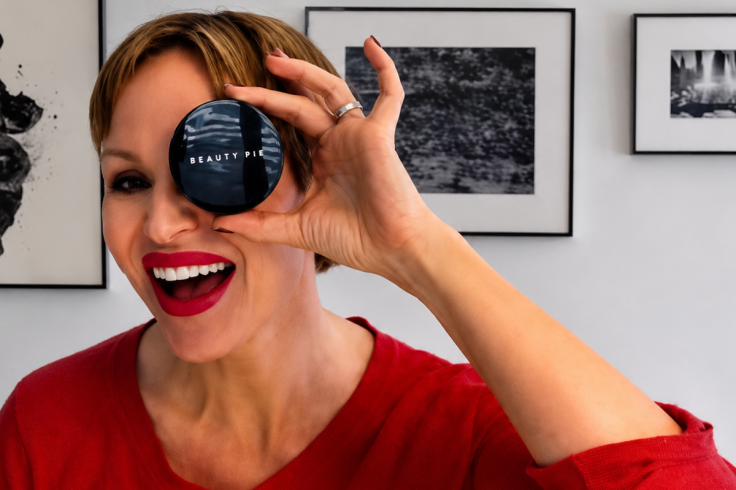
Marcia Kilgore didn't set out with a detailed blueprint for building a beauty empire. The founder of Beauty Pie built her career by spotting opportunities, learning from setbacks, and creating brands inspired by problems she had experienced herself.
The Canadian-born entrepreneur has launched five successful companies, including Bliss, Soap & Glory, FitFlop, Soaper Duper, and Beauty Pie. Several have gone on to attract major acquisitions, international expansion, and significant investment. Kilgore's philosophy is simple: you do not need all the answers before you start.
From $300 in New York to a Beauty Industry Pioneer
Born in Outlook, Saskatchewan, Canada, Kilgore grew up in a middle-class family and witnessed the stress that financial uncertainty could bring. 'I remember deciding at eight years old that when I was my parents' age, I would never want to be stressed about my electric bill,' she said.
Determined to create her own future, she moved to New York at 18 with just $300 to attend Columbia University. When her student loan plans fell through, she wasn't able to enrol as planned and worked as a personal trainer while attending beauty classes in the evenings.
'You can't sit around thinking, "What am I going to do?" You have to survive,' Kilgore said. 'I knew I had to use the skills I had to support myself, and then I would figure it out.'
After battling with acne herself, she developed an interest in skincare and started offering facials from her East Village apartment. That small side hustle became the starting point of her entrepreneurial journey.
A Breakthrough That Changed Everything
After improving her skills as a facialist, Kilgore opened a one-room skincare studio in New York's SoHo in 1991. She followed it with Let's Face It! in 1993, a three-room mini spa that quickly built a loyal clientele.
In 1996, she transformed the business into Bliss Spa. With its premium treatments and fun branding, her salon attracted celebrity clients. It also helped popularise the urban day spa in the mid-1990s.
Bliss marked Kilgore's first major business success. At just 29, she appeared on the cover of Time, cementing her reputation as one of the beauty industry's rising stars.
Her hands-on background gave her an edge. Before launching Bliss, she had worked in every area of the business, from performing treatments to training staff and managing operations. When early demand overwhelmed her team, she stepped in herself: 'I know how to wax and do facials, so I could do all of the appointments myself.'
As the demand grew, Bliss expanded into skincare and bath products, which brought its spa experience to customers' homes. LVMH bought a majority stake in Bliss in 1999, driving its expansion. The company was later sold to Starwood Hotels & Resorts for about $30M in 2004.
Beauty's Serial Entrepreneur
Following on from her initial success, Kilgore launched Soap & Glory in 2006. With its witty branding and affordable products, it soon earned a loyal following across the UK. She also co-founded FitFlop, a brand that blends style and comfort. The company quickly found an international audience and became one of the most recognised names in comfort footwear.
Beauty Pie followed in 2016 and became Kilgore's boldest business venture yet. Built around a membership model, the company challenged traditional beauty pricing by offering members premium products at prices that cut out the typical retail mark-ups.
Kilgore believes every business idea should have a clear purpose and be easy to explain. She encourages entrepreneurs to ask themselves why anyone would care about their idea and whether they can sum up its value in a single sentence.
'If you can't answer, "So what?" in one sentence, your idea isn't good enough yet.' That doesn't mean abandoning the idea, she says. Instead, it should be refined until its purpose is immediately clear. She also urges entrepreneurs to avoid 'ownership bias' by seeking honest feedback before investing time or money.
Success Takes Sacrifice, Purpose Keeps It Going
Kilgore believes that successful entrepreneurship is built on more than ambition. It also requires dedication, discipline, and a willingness to go beyond expectations.
'I made sure I was the sunniest, hardest-working and most diligent person to do that service,' she said. Her approach is centred on creating positive experiences, believing that satisfied customers often become their strongest promoters. She also warns that success comes with a lot of trade-offs. 'You're not going to have a lot of free time,' she said, explaining that entrepreneurs must constantly track customer needs, competitors, and market shifts.
Kilgore's philosophy is summed up in what she calls the 'deathbed test'. 'Imagine you're on your deathbed; think about what you would have done differently and do that,' she said. For her, success isn't simply about building another company. It's about choosing ideas that genuinely improve people's lives and are worth the years required to build them.
© Copyright IBTimes 2026. All rights reserved.
- Recommended For You