She Turned a 'Grandma Hobby' Into a $4.4M Business by Solving a Retail Problem: Stock
After overcoming that constraint, Penny Linn hit $4.4 million in 2024, averaging $570,000 a month
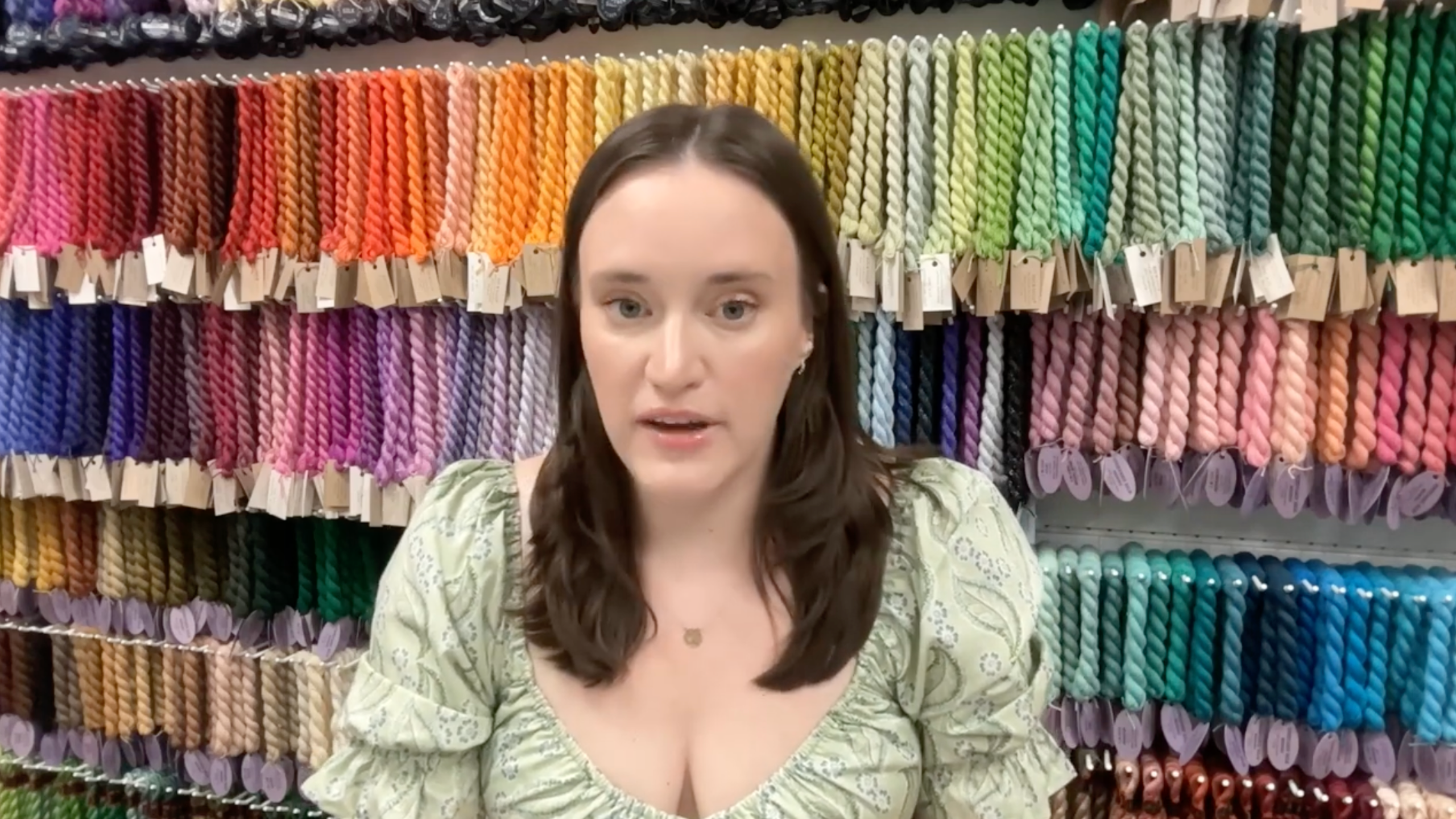
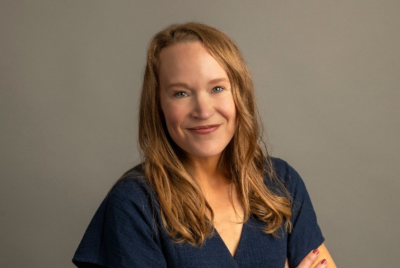
Krista LeRay, 34, launched her needlepoint shop, Penny Linn, on 14 September 2020. Within the first 10 minutes, she had sold about $20,000 (£15,100) of hand-painted canvases and accessories. By the end of the day, everything was gone except two items.
The sell-out created an immediate problem. With no stock left, Penny Linn had nothing to sell until the next launch, and the shop would sometimes go a day or two without a single sale.
'You have to have inventory to make money, and you have to have things to sell to make this into something bigger,' LeRay told The Marketing Factor podcast.
Fixing that one constraint, stock, came first. Penny Linn went on to book $4.4 million (£3.3 million) in revenue in 2024, and now averages $570,000 (£430,000) a month.
Why Penny Linn Kept Running Empty Between Launches
LeRay did not set out to run a needlepoint business. A former full-time lifestyle blogger who spent more than five years on Major League Baseball's social media team, she returned to the craft during the pandemic, having first learned to stitch from her grandmother. She found the existing market dated and hard to shop, with some retailers out of basic supplies such as thread and canvas.
She bought a blank canvas on Etsy and paint at Michaels for under $100 (£75) and painted a Ralph's Coffee cup for herself. After she posted it on Instagram, followers asked to buy one. Many accessories carried a 100-item minimum order, so she used her blog's business account to fund the first bulk run, confident she could sell at least 90 to followers who also stitched.
Each canvas sold for $50 (£38) but took about 10 hours to paint by hand. Her father pointed out that, at that rate, the work paid less than minimum wage.
Buying Ahead Turned a Needlepoint Hobby Into Millions
LeRay's answer was to stop running out. She produced larger quantities so popular pieces stayed in stock between launches, and she built the Penny Linn Collective, a roster of outside designers that widened the range. She also began buying inventory months in advance. Rather than restocking in January like much of the trade, she placed orders in November and December so the shop was fully stocked for the new year.
The shift let Penny Linn capture a wave of young, mostly college-aged shoppers who found needlepoint on TikTok over the winter. One run of beginner kits sold out 300 units in an hour. With steady stock, launches that had once emptied the shelves became repeatable. By its second year, Penny Linn was taking just over $30,000 (£22,600) a month.
'It was such a big deal for us at the time to reach these numbers, but we do that in a day now,' LeRay said. Revenue has roughly doubled or tripled each year since. 'Whatever I think our ceiling might be, we come in and double it each year,' she added.
An acrylic accessory line that drew online criticism in 2022 now holds a patent and ranks among the brand's bestsellers. The company, based in Westport, Connecticut, opened a store in Norwalk earlier in 2025 and is weighing more.
'It's crazy to sit back and think that my brand has revived a centuries-old tradition,' LeRay said.
© Copyright IBTimes 2026. All rights reserved.
- Recommended For You