

Nashville Couple Started With $5,000 and a Garage — Now Their Side Hustle Earns Up to $20,000 a Month
How Anne McGraw transformed a simple idea into a thriving business with Firefly Slumber Parties
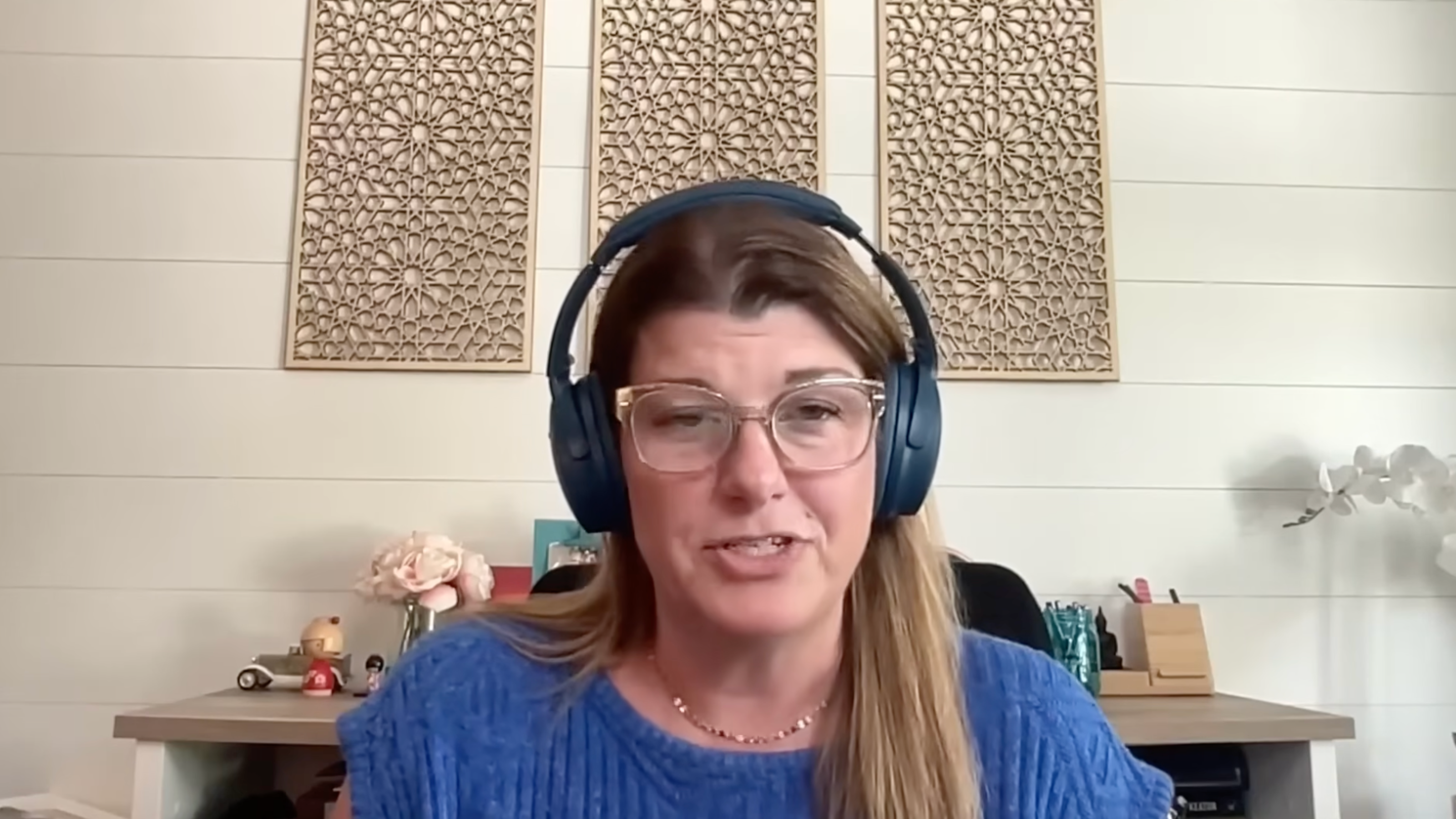
The average American side hustler earns $1,242 (£939) a month, according to a 2026 LendingTree survey of nearly 2,050 consumers. Anne McGraw pulls in up to 16 times that — between $10,000 and $20,000 (£7,560 and £15,120) a month — renting luxury slumber party setups out of a one-car garage in Nashville.
McGraw and her husband both hold full-time corporate jobs. Their side hustle, Firefly Slumber Parties, started in 2020 after their daughter found the concept on social media, according to Side Hustle Nation.
Nobody in Nashville was offering it. The total startup cost came to less than $5,000 (£3,780), spent on air mattresses, fabric tent covers, and wooden staves from Home Depot that the couple assembled into canopy frames by hand.
Packages now start at $425 (£321) for a four-tent minimum, covering delivery, setup, and next-morning pickup. Clients add extras from an add-on menu: popcorn machines, karaoke, custom pillowcases, and personalised sleep masks. Last weekend alone, McGraw ran five parties at $800 to $1,000 (£605 to £756) each, she told the Side Hustle Show podcast.
How the Margin Math Works After Outsourcing
For the first three years, the couple handled every installation and teardown themselves. Weekends disappeared. Their daughters' activities were piling up, and the pair considered shutting down entirely.
Instead, they began hiring parent-teenager teams at a flat $150 (£113) per party. 'If I'm charging $800 to the customer and I'm getting or paying $150 for somebody to set it up, it's like, okay, now I've got a $650 spread,' McGraw said on the podcast. 'And if I could do two, three, four of those in a weekend and I didn't have to drive around on a Friday night and do a bunch of this stuff myself. It's looking like a pretty sweet business.'
Her first hire was a mother who had booked a party for her own daughter and later volunteered. The woman lived across town, giving Firefly a second outpost. Each time McGraw posted in a local Facebook group for more teams, she said 20 to 30 people responded.
Staff now coordinate through the Band app, and a full-time customer service manager handles all bookings through Honeybook — a platform McGraw adopted after outgrowing Google Sheets. She paid an Upwork consultant to configure it.
From Silent Auctions to Multi-City Coaching
Firefly's growth relies on a word-of-mouth flywheel. Five to eight children attend each sleepover, and their parents see the setup at drop-off and pickup. 'Their mothers come in and see it when they come and pick up their daughter, and they're like, "Oh my gosh, my daughter wants to do this, too,"' McGraw said.
She can trace booking clusters to specific neighbourhoods for months after a single party. School silent auctions act as another channel, with McGraw donating party packages to local fundraisers as a marketing expense.
The couple has since started coaching aspiring operators in Dallas-Fort Worth, East Tennessee, Savannah, and Jacksonville. The Dallas operation runs as a licensed model under the Firefly brand. McGraw now offers a startup guide and paid coaching rather than pursuing a franchise. 'I just don't want people going out there and thinking you're making six figures in a year or two,' she said. 'It's not going to happen.'
That same LendingTree survey found 61 per cent of side hustlers say their life would be unaffordable without the extra income. McGraw's position is different. She said she has no plans to leave corporate life, and scaling further would require a warehouse, a van, and far more stock than a garage can hold. Teams still collect pre-packed bins via keypad entry on Friday evenings and return everything the next morning.
'Customer experience, hands down,' she said when asked for her top advice. 'It's not really about the Instagram. It's about making it easy and making a special moment for their kids.'
© Copyright IBTimes 2026. All rights reserved.