'My Dream Was Always to Be a Nurse': A Stroke Changed Everything, Now His Side Hustle Earns Six Figures
Nurse badge backers became the foundation of Eric Street's LaserCraftworks business
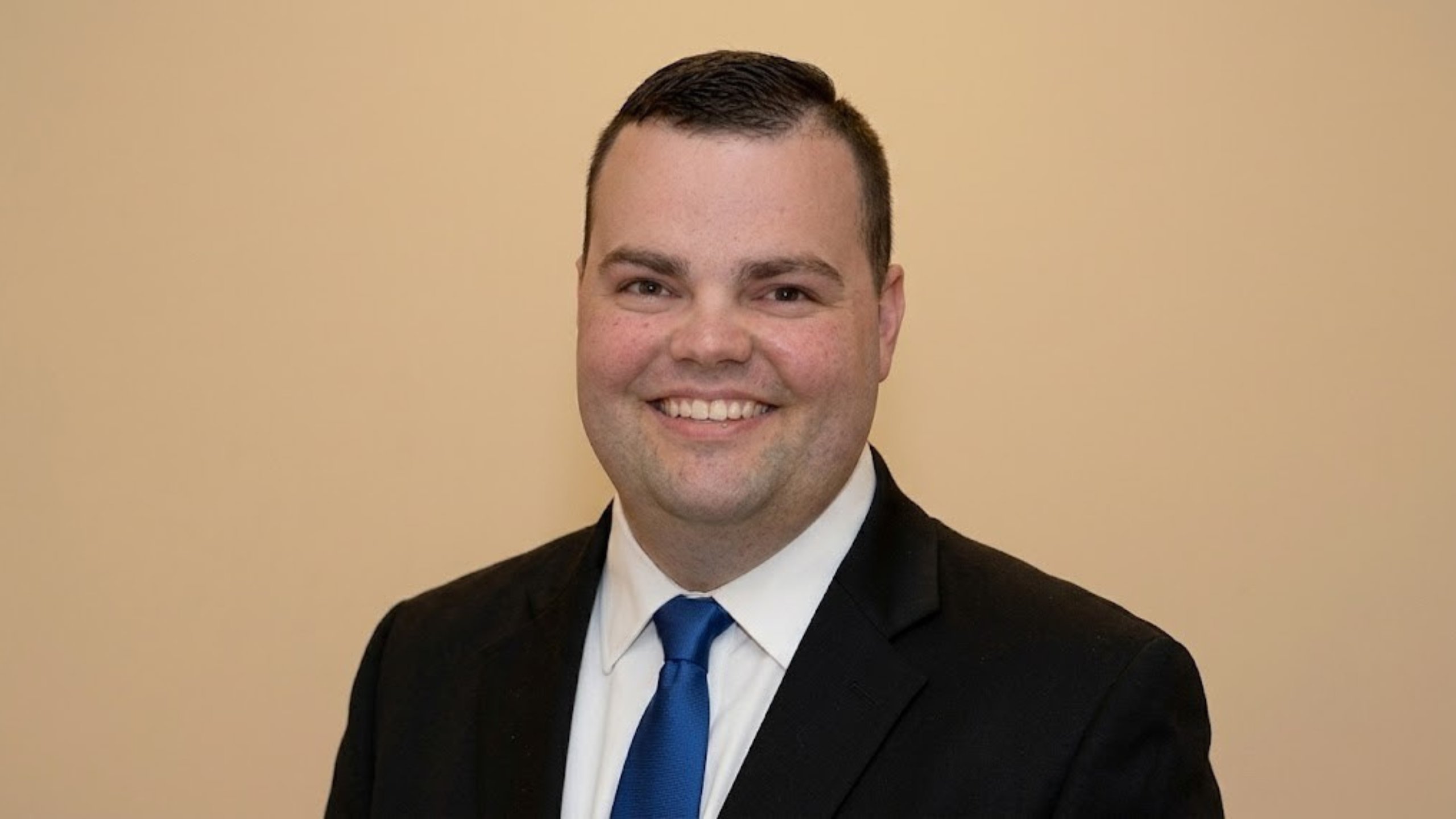
A massive stroke ended Eric Street's career at the bedside. It also handed him an unexpected second act.
The Indiana registered nurse now runs a custom goods business from his home that turns over more than $100,000 (£75,800) a year, built almost entirely on a laser cutter and a refusal to sit still during recovery.
He shared his story in a first-person account on the Entrepreneur, tracing how a hobby he barely touched before the pandemic grew into a six-figure operation called LaserCraftworks.
His career plan had been simple. 'My dream was always to be a nurse,' Street said. He went to nursing school, graduated, and started working. Then Covid arrived, and at the height of the pandemic, he suffered what he described as a massive stroke in his brain stem. It forced him off the ward for good.
Bored and recovering, Street did what came naturally to a clinician: he researched. Knowing that patients who pick up hobbies tend to recover better than those who simply wait it out, he went looking for something to keep his hands and his mind busy.
A Hobby Born From Boredom and Recovery
Street had always liked crafting but never pursued it seriously. During his recovery he discovered laser-cut acrylic and wood goods, and bought an xTool P2 laser cutter for $4,329 (£3,280). The machine was beginner-friendly enough to learn quickly, yet capable enough to run a business.

He wanted to stay tied to medicine. So he started making acrylic badge backers for nurse friends, small flashes of glitter meant to lift spirits during a grim stretch of the pandemic. Requests followed. People began asking whether he made shirts, and when xTool released an apparel printer, he spent $8,000 (£6,060) on one so he could offer same-day turnaround instead of outsourcing.
What started as gifts turned into steady demand. His wife, who still works full time as a bedside nurse, handles much of the creative side and opened an Etsy shop. Those listings and a website that Street taught himself to build remain the company's main sales channels today.
How Scrap Acrylic Became a Profit Engine
Street credits much of his growth to wasting nothing. A sheet of acrylic costs him roughly $20 (£15), and cutting badge accessories leaves an offcut too small for another badge. Rather than bin it, he designed 3D-printed stethoscope tags that use up the scrap.
The maths works in his favour. Each tag sells for around $21 (£16), so a single tag covers the cost of the whole sheet, and he gets 15 to 20 tags from the leftover material. On his own storefront, the stethoscope name tags currently retail for $17.99 (£13.60).
He later added direct-to-film transfer sheets to the range, opening the business to the large market of people who print their own shirts. That move, he said, sped up growth again.
From a $5,000 Hobby to Six Figures
The numbers started small. In the first year, mostly over the holidays, the venture made $4,000 to $5,000 (£3,030 to £3,790). The next year, sales grew sharply. Once Street worked out search optimisation and learned to time his advertising around Nurses' Week, Teachers' Week, and the holidays, annual sales cleared the $100,000 mark.
His path mirrors a wider shift in how people treat their pastimes. Almost 60 per cent of Americans picked up a new hobby during the pandemic, and roughly half later turned it into a side hustle, according to research from LendingTree. The firm's most recent survey found about a third of Americans now run a side gig, and 61 per cent of those said their life would be unaffordable without the extra income.
Few reach Street's level. That same survey put the typical side hustler's earnings at $1,242 (£940) a month, a fraction of the six-figure annual turnover he now reports from a spare room.
He now spends about 30 hours a week on the business and guards time for his young family. Hiring may come later, as his children grow, but for now, he is content running what he calls a mom-and-pop shop.
His advice to anyone tempted by a home micro-factory is blunt. Research the tools, then stop researching and start. 'Be proactive with the dream and run with it,' he said. His favourite part, he added, is watching nursing students who bought their first badge come back years later, qualified, to order a new one.
© Copyright IBTimes 2026. All rights reserved.
- Recommended For You