Mark Carney Courts $120 Trillion in Global Wealth as Trump Tries to Pull Investment Out of Canada
Canada is pitching more than 160 projects to global investors as Carney seeks to attract long-term capital
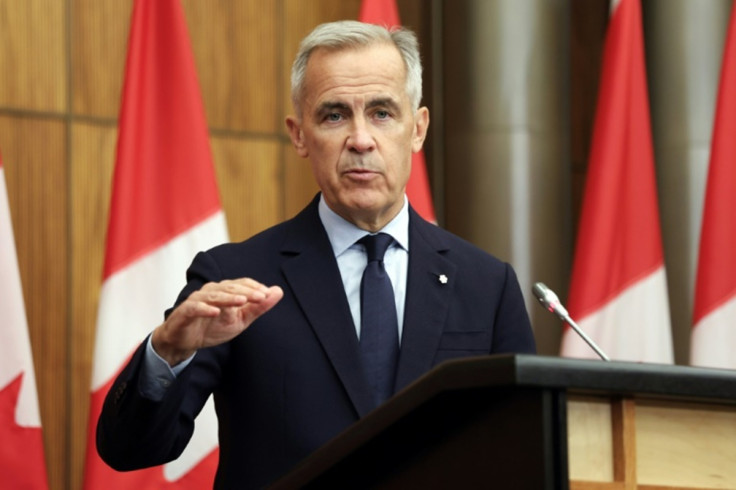
Mark Carney is courting some of the world's largest investors in Toronto as Canada seeks new capital and greater economic independence from the United States amid an escalating trade dispute with President Donald Trump.
Around 300 chief executives and senior executives from global investment firms are attending the two-day Canada Investment Summit, representing firms managing more than C$120 trillion (about £64 trillion) in assets. The event connects global investors with Canadian companies and public officials as Ottawa seeks to catalyse C$1 trillion (£533 billion) in total investment over the next five years.
The summit comes as Trump's tariffs and efforts to attract investment and manufacturing to the US threaten one of Canada's traditional advantages for investors: access to the American market. Major deals from the summit could take 12 to 18 months to materialise.
Trade Tensions Drive Canada's Investment Push
The summit comes after Canada-US trade negotiations collapsed on 21 August, followed by Washington's imposition of 50 per cent tariffs on about C$27.6 billion (£14.7 billion) of Canadian goods. Canada responded with matching and additional measures.
The dispute has increased the importance of attracting investment from markets beyond the US. Carney has promoted Canada's natural resources, skilled workforce and trade agreements, while the government says its 16 free trade agreements provide preferential access to 1.5 billion consumers across 51 countries.
The government is also seeking to reduce delays in major projects. Finance Minister François-Philippe Champagne announced that the Canada Revenue Agency will prioritise advance income tax ruling requests for investments of C$1 billion (£533 million) or more, giving investors binding decisions on tax treatment before committing capital.
More Than 160 Projects Put Before Investors
The summit is putting more than 160 projects at different stages of development before global investors, covering critical minerals, energy, technology, artificial intelligence and infrastructure.
Bell Canada announced an expansion of its AI data-centre project in Saskatchewan through a non-binding memorandum of understanding, subject to approvals. The expansion would add up to 900 megawatts of capacity, taking the potential facility to 1.2 gigawatts. Bell said it could become the largest capital investment in Saskatchewan's history, although development remains subject to commercial agreements, permits, approvals and environmental assessments.
TD said it would mobilise C$150 billion (£80 billion) over five years through lending and financing across energy, critical minerals, defence, digital technology and infrastructure. Scotiabank announced more than C$100 billion (£53 billion) in financing to support Canada's growth agenda.
The banking commitments are separate from Ottawa's C$1 trillion target and do not represent C$1 trillion in new capital already secured.
Investment Interest Faces Domestic Challenges
The investment drive has attracted opposition as well as interest. Hundreds of protesters marched in Toronto, including labour unions, Indigenous groups and environmental and social justice organisations. Demonstrators criticised the summit's focus on fossil fuels, defence and the potential privatisation of public assets.
Canada also faces a challenge in converting foreign investment into new projects. Reuters reported that foreign direct investment flows have risen in recent years, but much of the increase has come through mergers and acquisitions or reinvested earnings rather than greenfield investment.
That distinction matters because Carney is seeking projects that expand Canada's productive capacity and create jobs. While the summit has put data centres, critical-mineral developments and transport infrastructure before investors, many opportunities remain at an early stage.
Turning that interest into long-term investment will depend on financing, regulatory approvals and commercial commitments in the months ahead.
© Copyright IBTimes 2026. All rights reserved.
- Recommended For You