

'They Protected the Reputation of the Church': Massachusetts Report Details Abuse of Nearly 1,000 Children
Investigation found alleged institutional cover-ups, inconsistent safeguards since the 1950s
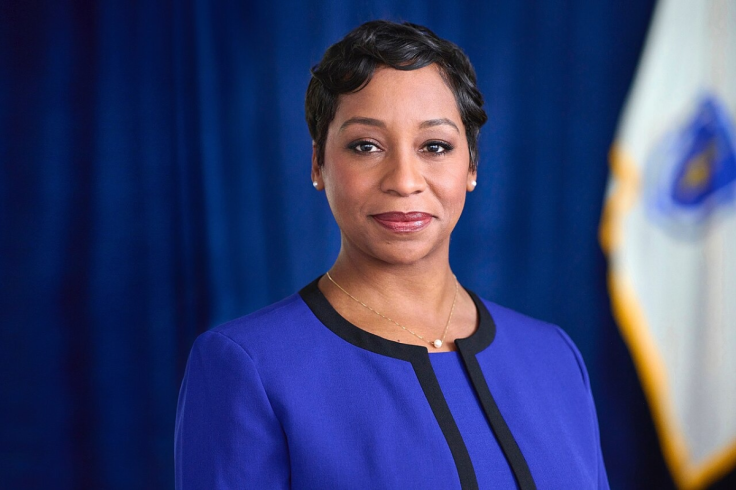
A report by the Massachusetts attorney general says 275 Catholic clerics sexually abused 944 children over roughly seven decades in three state dioceses. The investigation covers the dioceses of Fall River, Springfield and Worcester and dates back to the 1950s. Attorney General Andrea Joy Campbell's office said the findings provide the first comprehensive public account of abuse and alleged institutional cover-ups across the three dioceses.
Investigators said church leaders were aware of abuse but did not take effective steps to prevent further harm. Instead, the report said, officials acted in ways that protected the Church's public reputation. The investigation began in 2019. The report also warns that the records reviewed were not exhaustive, meaning the full scale of the abuse may never be known.
Hundreds of Survivors Identified Across Three Dioceses
The report attributes 469 survivors to Fall River, where 92 clergy were accused. Springfield had 93 accused clergy and 259 survivors, while Worcester had 90 accused clergy and 216 survivors.
Investigators said their review found repeated cases in which accused priests were transferred between parishes without warnings being given to local authorities or parishioners. Some priests were also returned to ministry without what investigators considered adequate supervision.
According to the report, church officials sometimes described alleged abuse using terms such as 'loneliness,' 'poor judgment' and 'boundary violations.' Investigators said officials could respond sympathetically towards priests while casting doubt on accounts given by children. The report also found that some allegations were not reported to law enforcement.
Safeguards Were Not Consistently Followed
The dioceses introduced child protection procedures following revelations about abuse in Boston in 2002. However, the report said those safeguards were not consistently followed. One case involved a child who reported abuse in 2006. The report said the allegation went unaddressed for 13 years.
The priest accused in that case remained in unrestricted ministry and accompanied students on overnight school trips in 2008, 2009, 2012 and 2013. After another report in 2014, the diocese took no action, according to investigators. The priest was eventually suspended in 2020. Only three cases were referred to district attorneys, and one resulted in charges in Worcester District Court.
Campbell's office said prosecution was limited because some claims were too old, some conduct was not criminalised under state law at the time, or accused individuals had died. Grand jury secrecy laws also prevented the attorney general's office from naming every accused priest in the report.
Dioceses Differ Over Public Disclosure
Fall River Bishop Edgar M. da Cunha apologised to survivors and said the diocese had published a list of credibly accused priests five years earlier. He also said it had provided more than 80,000 pages of documents.
Worcester, led by Bishop Robert J. McManus, remains the only Massachusetts diocese that does not publish a consolidated list of credibly accused clergy. The diocese has cited Vatican directives and concerns about identifying people who were not convicted.
Campbell called for independent investigations, trauma-informed practices, stricter monitoring of restricted priests and public lists of credibly accused clergy. Meanwhile, state officials and survivor advocates are also backing proposals to change legal limits on child sexual abuse claims and remove the state's $20,000 (£15,086) cap on damages involving charitable organisations.
© Copyright IBTimes 2026. All rights reserved.