

Trump Prosecutor Threatens Senator With 'Significant Legal Consequences' for Investigating President's Ballroom Donors
Sen. Blumenthal turns the tables on the Trump prosecutor with his own demand for records
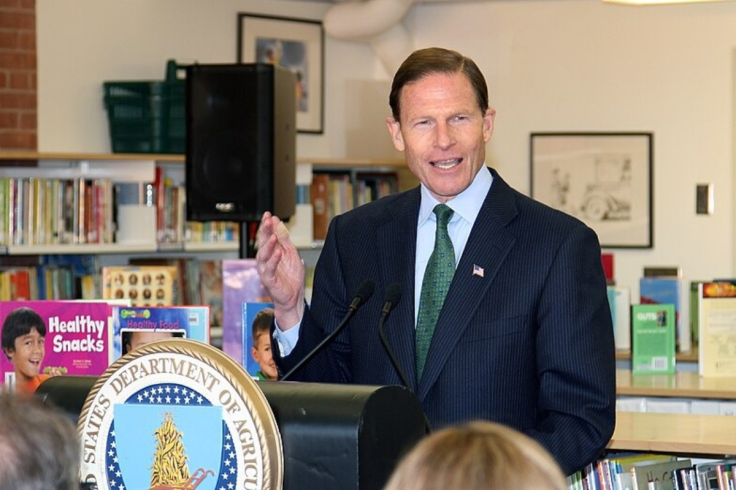
A federal prosecutor appointed by President Donald Trump has warned Democratic Senator Richard Blumenthal of 'significant legal consequences' over his investigation into donors financing the White House ballroom.
US Attorney Aaron Reitz accused the senator of potentially violating Americans' constitutional rights through his congressional inquiry. Blumenthal rejected the warning as an attempt to intimidate Congress and vowed to continue examining whether donors received favourable government treatment in exchange for their contributions.
Prosecutor Warns of Legal Consequences
In a letter posted on X on Wednesday, Reitz directed Blumenthal to preserve emails and other records related to his investigation into White House ballroom donors. He also accused the senator of intimidating Americans over their 'constitutionally protected associations' with President Donald Trump.
Although Reitz did not announce a criminal investigation, his letter warned of potential legal consequences and demanded that Blumenthal preserve records related to the inquiry. Blumenthal was instructed to confirm compliance by 18 November.
'Congress is not a weapon to be wielded against the American people,' Reitz wrote on X. 'I'm taking the first step to stop this abuse of power.'
Blumenthal Refuses to Back Down
In response, Blumenthal instructed Reitz to preserve records and correspondence, including communications with White House and Department of Justice officials concerning the prosecutor's letter to him. 'Your implied threat of an investigation is baseless,' he wrote. 'I will not be intimidated.'
Blumenthal, who is expected to chair a senate subcommittee on investigations when Democrats take control in January, said he would plan to 'vigorously pursue investigations into this administration's misuse of taxpayer dollars and any corporate entity that has enabled its boundless corruption.'
Blumenthal sought to establish whether ballroom donations were linked to promises of special access or favourable treatment from the Trump administration, including government contracts and regulatory decisions. These concerns remain allegations and questions for investigation, not established findings of wrongdoing.
'The public deserves to know the terms under which dozens of American companies were persuaded to donate millions of dollars to the president's vanity projects and whether lawsuits were dismissed, contracts were awarded, or regulations went unenforced in exchange for that money,' he added.
Millions in Donations Raise Questions
The confrontation follows revelations about private contributions financing Trump's controversial White House ballroom. Documents obtained by The Washington Post revealed $333 million in private contributions and pledges from corporations, wealthy Republican donors, and other contributors.
The White House previously identified 37 donors last October without revealing individual contribution amounts. According to a report by The Independent, Nvidia, Apple, the Adelson family and Dish Network chairman Charles Ergen each pledged $25 million. Other contributors included Amazon, Comcast, Microsoft, T-Mobile, and Caterpillar, according to the reported donor records.
The disclosures have raised questions about transparency and potential conflicts of interest, although donations alone do not establish that donors received favourable government treatment in return.
Ballroom Costs Continue to Climb
The broader East Wing construction project, which includes the ballroom, could cost as much as $600 million, according to estimates reported by The Washington Post. After demolishing the White House's East Wing, President Donald Trump initially envisioned an ornate ballroom featuring gold finishes and marble floors.
However, court filings in recent months have revealed plans for a 90,000-square-foot, heavily fortified ballroom complex, with government lawyers citing national security requirements and outlining extensive military and security features.
© Copyright IBTimes 2026. All rights reserved.