

Michael Schumacher Inner Circle Reveals Why He Was 'The Villain On Track'
Inner circle reveals the truth behind Michael Schumacher's 'villain' persona and his secret role as Ferrari's heartbeat
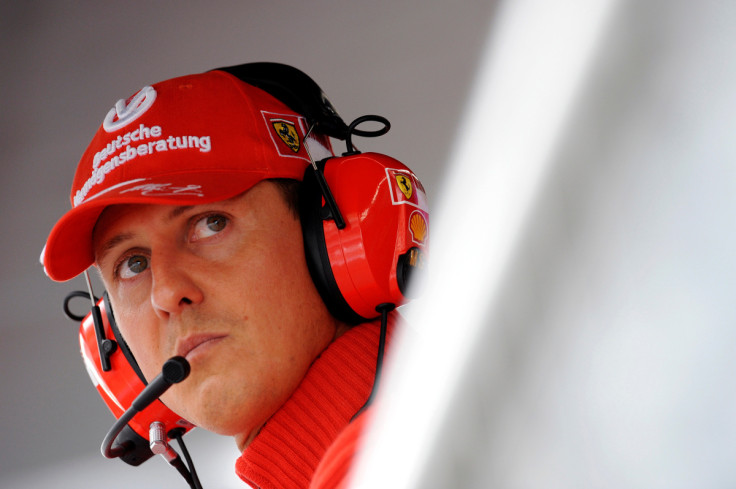
The image of Michael Schumacher crossing the finish line, fist pumped in the air as the German and Italian anthems echoed through the paddock, remains one of the most iconic sights in sporting history. For many, Schumacher was a relentless machine, a driver of cold, calculated precision who dominated Formula 1 with an iron grip. However, new insights from those who witnessed his rise to glory suggest that his record — equaling seven world titles — was not just the result of raw speed, but of a deeply human ability to foster an unbreakable team spirit.
Schumacher's career trajectory is the stuff of legend. After securing back-to-back championships at Benetton in 1994 and 1995, he made the monumental move to Ferrari. At the time, the Scuderia was a sleeping giant, frequently plagued by internal politics and inconsistent performance. While most drivers would have arrived demanding immediate results and airing grievances when the car failed to perform, Schumacher took a radically different approach. He didn't just drive for the team; he became its heartbeat.
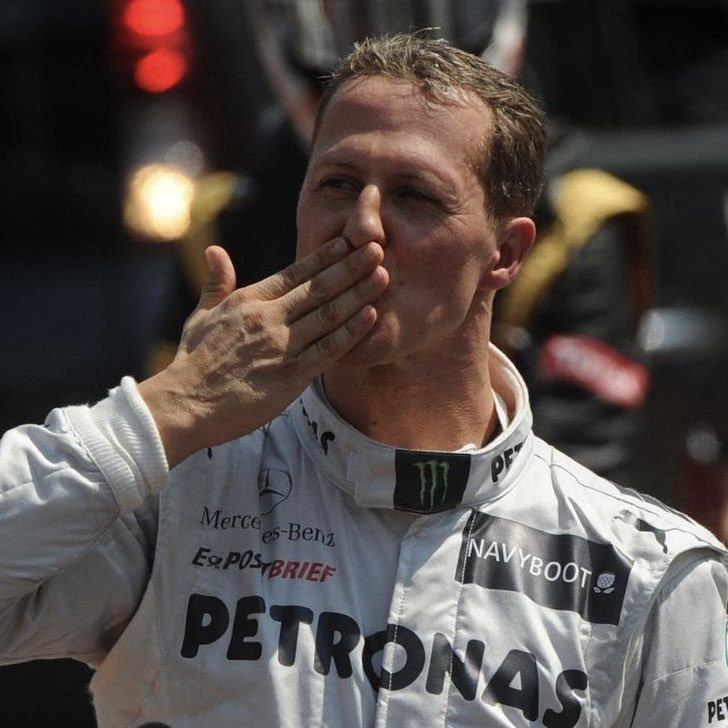
Football and Friendships: The Secret to the Success of Michael Schumacher
Success in the high-stakes world of F1 is often measured in wind tunnel data and lap times, but for Schumacher, it was also measured in the rapport he built with his mechanics. Andy Wilman, the former Top Gear producer, recently shared reflections on the High Performance Podcast regarding Schumacher's transformative years at Maranello. Quoting the legendary British engineer Ross Brawn—who guided Schumacher to all seven of his world titles—Wilman highlighted how the German driver integrated himself into the very fabric of the factory.
'When [Schumacher] goes to Ferrari, the magnitude of that job,' Wilman noted, reflecting on the struggle of the 1996 season. 'Every Ferrari driver who goes there moans if it's not right. Did we ever hear him moan? He goes there, the car's a dog in '96 and he knows he's in for a four or five-year plan to bring them back to glory'. Rather than complaining, Schumacher spent his lunch breaks playing football with the mechanics.
He understood that the big superstar driver being 'with them all the time' created a sense of collective purpose. He made it a point to walk around the factory, shaking hands with everyone from the engineers to the people sweeping the floors, ensuring every staff member felt valued during the Christmas season.
Yet, this warmth was intentionally hidden from the public eye, fueling a vastly different reputation. According to those in his inner circle, the 'villain' persona was often a byproduct of his uncompromising 'win-at-all-costs' mentality. While he was playing football with mechanics in private, the world saw a driver willing to collide with Damon Hill in 1994 or attempt to run Jacques Villeneuve off the road in 1997 to secure a title.
Wilman explained that 'people don't see' the empathetic man in the factory; 'they just see the villain on the track' — a man whose competitive fire was so intense it often blurred the lines of sportsmanship.
This grassroots leadership and ruthless edge paid off handsomely. Between 2000 and 2004, Schumacher and Ferrari went on an unprecedented run, securing five consecutive world titles. This era of dominance transformed Ferrari into the most formidable force on the grid, proving that technical brilliance alone isn't enough; you need a leader who can inspire those working behind the scenes while maintaining a psychological stranglehold on his rivals.
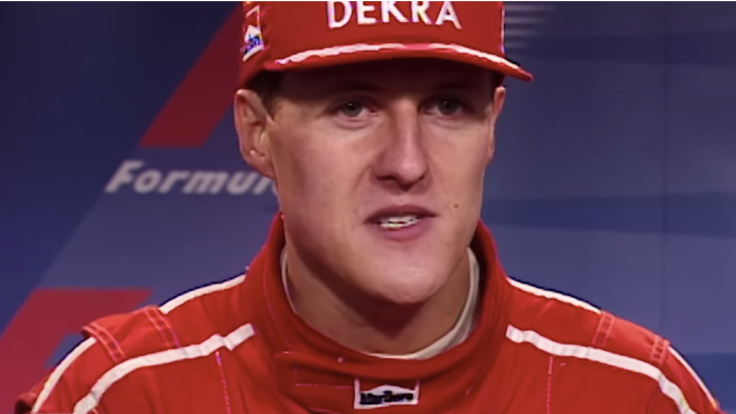
More Than Just Speed: The Unparalleled Legacy Of Michael Schumacher
Ross Brawn, who remains a close confidant of the Schumacher family following Michael's life-altering skiing accident in 2013, continues to advocate for the driver's unique place in history. Speaking to Auto Hebdo, Brawn emphasised that while many drivers possess raw talent, very few have the intelligence to apply it as effectively as Schumacher did.
Brawn has often suggested that Schumacher was a 'misunderstood' character because he never felt the need to defend his controversial on-track actions to the media. To Schumacher, the only opinions that mattered were those of his family and his team. 'You need talent and his was enormous,' Brawn explained. 'The history of Formula 1 is full of drivers with a lot of talent, but who don't know how to put it into practice, and Michael knew that'.
Brawn pointed to Schumacher's 'exceptional physical condition' and an 'unparalleled commitment' as the traits that set him apart. For Brawn, helping Michael to each of his seven titles was 'something exceptional', and in his eyes, 'there is no one above Michael'.
Even during his three-year comeback with Mercedes later in life, Schumacher's work ethic remained the gold standard. While the Schumacher family continues to guard his privacy with the utmost care, his legacy as a driver who blended 'talent with hard work and intelligence' continues to inspire the current generation of racers, including those who eventually matched his historic tally. Schumacher didn't just win races; he redefined what it meant to be a team player in the world's most individualistic sport and a formidable adversary that the grid both feared and revered.
Ultimately, Michael Schumacher's career was a masterclass in the duality required for sporting immortality. While the world focused on the 'villain' who would stop at nothing to win, those closest to him saw a leader who built his success on a foundation of human connection and collective purpose. His story serves as a powerful reminder that behind every iron-fisted champion is a human heart that beats for the team.
© Copyright IBTimes 2026. All rights reserved.