

Nintendo Switch 2 Zelda Remake Updates Ocarina of Time With New Drama, Sharper Combat and Fresh Style
Nintendo's reworked version of the 1998 classic adds modern controls, voiced cutscenes and quality-of-life improvements while retaining the original adventure
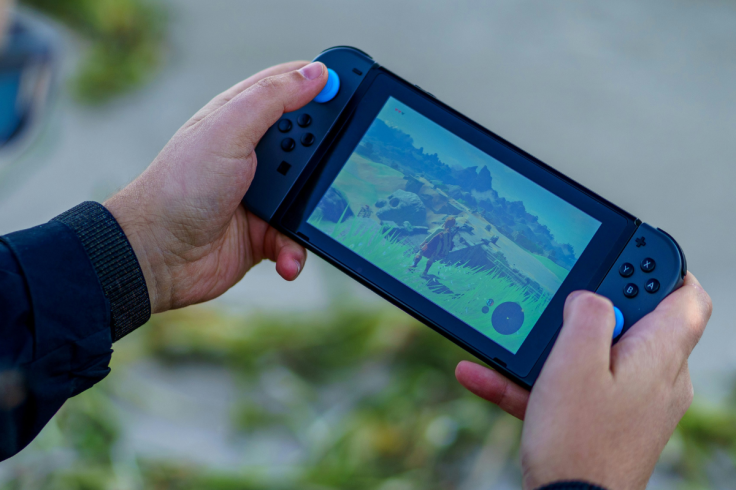
Nintendo's Switch 2 remake of The Legend of Zelda: Ocarina of Time launched worldwide on Thursday 5 November, priced at £59.99 in the UK, bringing the 1998 Nintendo 64 classic to the company's new console with overhauled graphics, fully voiced cutscenes and revised controls.
Nintendo is presenting the game as a major release for its new hardware and for the franchise's 40th anniversary. The company's official announcement and product listing confirm it is available now, with the remake positioned as a key Switch 2 title for the end of the year.
The remake keeps the original's central story, key locations and dungeon structure. Reviews have noted that some puzzles and item placements have received minor adjustments, so returning players will find the game familiar but not identical. Changes are largely focused on presentation and control rather than adding new chapters or areas.
Sharper Look, Fuller Sound
Nintendo has confirmed a visual overhaul that combines highly detailed environments and textures with stylised character designs, moving beyond the graphics of the Nintendo 64 original.
Character models, lighting and camera angles have been updated across dungeons and towns, while iconic areas such as Kokiri Forest, Hyrule Field and Kakariko Village now feature richer detail and more atmospheric effects.
The soundtrack has been given symphonic orchestral arrangements that follow Koji Kondo's original themes. Environmental audio has also been updated, with enhanced ambient sounds in locations like the Lost Woods and Zora's Domain intended to make Hyrule feel more alive.
Key story moments now feature fully voiced cutscenes, and conversations with characters have been expanded to give them more opportunities to show their personalities. Link himself remains silent, keeping to the series tradition, but other central characters now speak in selected scenes.
The Temple of Time sequence, in which Link draws the Master Sword and awakens seven years later as an adult, has received an expanded presentation. Reviewers report additional camera work, more detailed animation and a longer build-up to the time-skip moment.
Smoother Controls, Tougher Fights
The remake introduces new jump and movement options, as well as camera controls that bring it closer to recent action-adventure games.
Players can adjust the camera with the right stick and use modern control layouts. Weapons and items can be selected through an updated quick-access interface, while important equipment can be assigned to dedicated buttons. The original required players to pause the game and work through menus.
The difference is most noticeable in the Water Temple, a section long regarded as one of the original's most demanding.
Reviews say that assigning the Iron Boots to a quick-access control makes switching equipment considerably easier than in the 1998 game, although the puzzles themselves remain challenging. Lock-on targeting has also been refined to give tighter control when circling enemies and bosses.
Nintendo has added a microphone feature that allows players to hum melodies, or play them on an instrument, prompting Link's ocarina to respond. The game registers pitch and rhythm within a set range so that familiar tunes still trigger the expected effects.
A new Hall of Fallen Foes lets players revisit defeated enemies and take part in rematches once they have been cleared in the main story.
Where To Play and Why It Matters
The original Nintendo 64 version remains available through Nintendo Switch Online + Expansion Pack, subject to regional availability and membership requirements. Players who want to revisit the 1998 game therefore have an alternative to the remake, with save states and rewind features available through the subscription service.
The remake adds modern visuals, orchestral audio, quality-of-life tweaks and revised controls, while the Nintendo 64 edition offers the original presentation and pacing.
Both versions include the same core story of Link travelling between child and adult timelines to confront Ganondorf and awaken the Sages, with the Switch 2 release intended to introduce that structure and combat model to a new audience on Nintendo's latest hardware.
Ocarina of Time became one of the most celebrated video games of all time, frequently cited in discussions about the greatest games ever made. It helped shape modern 3D game design and popularised the Z-targeting combat system, in which players lock on to enemies during battle.
© Copyright IBTimes 2026. All rights reserved.