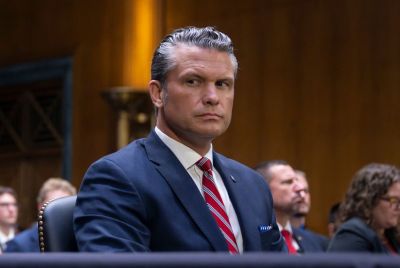
Pope Leo XIV Slams Trump's Plan: 'Unrealistic' to Seek Peace Deal Without Europe's Vital Role
Pontiff urges united diplomacy as he calls the US-only peace bid 'unrealistic,' stressing Europe's essential role in negotiating a just settlement for Ukraine
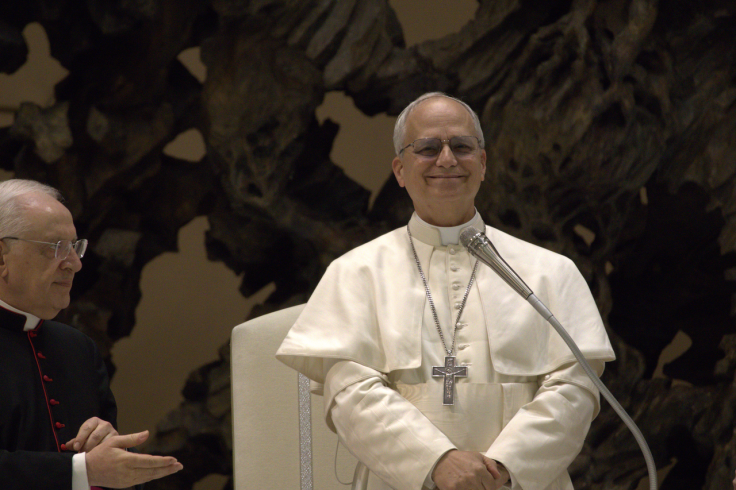
The head of the Catholic Church has publicly questioned a US-backed peace plan for Ukraine, saying it is 'unrealistic' to pursue a settlement without European participation. Pope Leo XIV's direct criticism is one of the most scathing rebukes yet to efforts led by US leaders, particularly President Donald Trump, to settle the crisis without first consulting European partners.
The Pope stressed that any ceasefire or long-term agreement must guarantee Europe's commitment, both for moral legitimacy and strategic security, following a meeting with Ukrainian President Volodymyr Zelenskyy. He pledged Vatican support but rejected unilateral initiatives.
Europe's Role: Non-Negotiable, Says Pope
Speaking after meeting Zelenskyy at the papal residence in Castel Gandolfo, Pope Leo stressed that any peace agreement would be empty if European powers were left out of the talks. He emphasised that European countries must contribute to ensuring security both now and in the future. 'Seeking a peace agreement without including Europe in the talks is unrealistic, given the war is in Europe,' he said.
The Pope called previous actions by the Trump administration an attempt to 'break apart' the US-European collaboration, arguing that ignoring Europe would equate to undermining a long-standing alliance. He particularly stated that the US-European alliance would 'make a huge change' as a result of the recently announced US. national security plan, which is said to cast doubt on the alliance and emphasise strengthening ties with Russia.
The remark struck a chord in global media and diplomatic circles, sparking new doubts about the feasibility of a peace plan centred on the United States, particularly in light of Europe's close proximity to Ukraine and its political interest in the country.
Italy, the Vatican and the Push for Shared Diplomacy
Far from abandoning diplomacy, Pope Leo stated that European nations, particularly Italy, may play an important role in mediating negotiations between Ukraine, Russia, and the United States. He urged that the Vatican provide humanitarian and moral support, particularly in establishing contact and assisting in the return of Ukrainian children kidnapped by Russian authorities.
European capitals have already reacted to the Pope's statements, with several voicing support for a more comprehensive, global peace effort. The Vatican's involvement lends the initiative greater theological and diplomatic weight, making it more difficult for Washington to pursue any accord that ignores its European partners.
When collaboration resumes, European officials say they would seek security guarantees, territorial integrity, and inclusion of displaced civilians in any agreement, all of which many fear a US-only proposal will not adequately address.
A Blow to Trump's Peacemaking Credibility
The Pope's public comments are a major setback to the Trump administration's narrative of promoting peace. The criticism highlights a significant problem in the plan, which has been touted as a rapid fix: international credibility. Any solution that does not have Europe's support risks being rejected by the most impacted countries, potentially resulting in a fresh crisis or a rupture of diplomatic relations.
The Pope's comments, according to analysts, highlight the geopolitical and moral dangers of ignoring European allies. The threat that the US-European alliance might fall apart increases geopolitical pressure on Washington and improves sentiments in NATO and EU capitals, many of which now seem unwilling to ignore the Vatican's concerns.
With the Vatican suddenly taking on a significant diplomatic role and using moral authority and soft power to influence one of the year's most important geopolitical discussions, the change represents a larger reconsideration of alliances.
Europe, the Vatican, and a Fragile Peace
The emphasis shifts from bilateral US-Ukraine talks to a broader international endeavour with the Pope's engagement. Stronger security guarantees, territorial integrity clauses, and a strong humanitarian mandate for displaced Ukrainians are apparently part of the 'refined' peace proposal being prepared by European leaders in an effort to counterbalance the terms put forth by the United States.
In the meantime, the Vatican has volunteered to host or assist certain aspects of the diplomatic process, giving the talks more moral weight. All parties must work together for this intervention to be successful, and the United States must decide whether to submit to a larger coalition or insist on unilateral solutions.
Peace without Europe may come quickly, but it won't last, as Pope Leo XIV has said.
© Copyright IBTimes 2026. All rights reserved.
- MOST POPULAR IN World