

Robert F. Kennedy Jr. Resignation Calls Mount After Two Unvaccinated People Die From Recent Measles
Kennedy's vaccine stance comes under renewed scrutiny amid Pennsylvania's measles outbreak
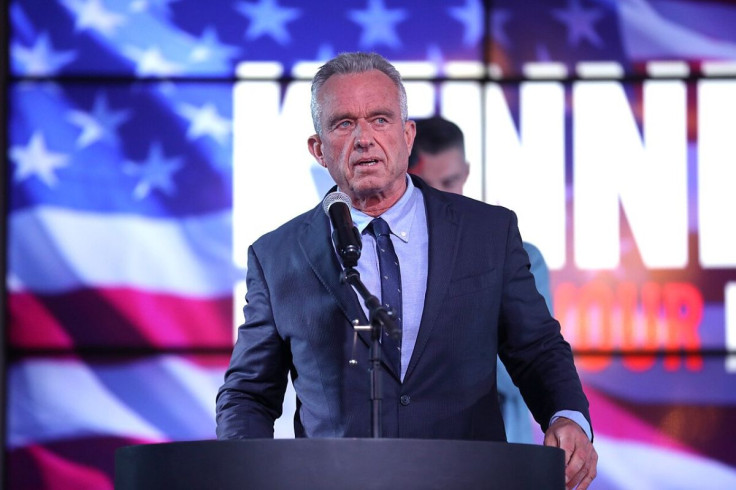
Calls for Health Secretary Robert F. Kennedy Jr. to resign intensified after two unvaccinated people died after contracting measles in Lancaster County, Pennsylvania, marking the state's first measles-associated deaths in 35 years. Pennsylvania.gov
Pennsylvania has recorded 393 confirmed cases across 28 counties this year, while the latest available US figure stands at 2,777. The deaths, announced on 25 August, have sharpened scrutiny of Kennedy's long history of vaccine scepticism, even as he has recently urged parents to vaccinate their children against measles.
Two unvaccinated people in Lancaster County have died after contracting measles, marking the state's first measles-related deaths in 35 years, according to the Pennsylvania Department of Health. https://t.co/QWEcS62b45
— FOX 32 News (@fox32news) August 25, 2026
Calls For Kennedy To Resign
Democratic Senator Angela Alsobrooks of Maryland was among those demanding Kennedy's removal.
'RFK Jr.'s lies and conspiracy theories are making Marylanders sick,' she wrote on X. 'RFK Jr. must resign or be fired. Vaccines are safe and effective. Listen to your paediatrician.'
The science advocacy group 314 Action also called for Kennedy to step down. Its president, Shaughnessy Naughton, said the Pennsylvania deaths showed the stakes of the measles outbreak and asked how many more people would have to die before there was a nationwide call for his resignation.
RFK Jr.'s lies and conspiracy theories are making Marylanders sick.
— Senator Angela Alsobrooks (@Sen_Alsobrooks) August 25, 2026
RFK Jr. must resign or be fired. Vaccines are safe and effective. Listen to your pediatrician. pic.twitter.com/Nmu8CL7pJF
Those statements are political criticism, not findings that Kennedy directly caused either death. Pennsylvania officials have said both people were unvaccinated but have not released further details that could identify the individuals or their families.
The fatalities have nevertheless raised the stakes. Pennsylvania had not recorded a measles-associated death since 1991, with Lancaster County accounting for 185 of the state's 393 cases.
Why the Outbreak Has Put Kennedy Under Pressure
Measles is highly contagious, and health officials have focused their response on increasing vaccination in affected communities. Pennsylvania has administered more than 4,100 MMR vaccinations through 91 pop-up clinics and plans to hold 40 more in the coming weeks.
Two doses of the MMR vaccine provide about 97 per cent lifetime protection against measles. Vaccination has therefore become central to both the public-health response and the political argument surrounding Kennedy.
Before entering government, Kennedy became a prominent vaccine sceptic, repeatedly challenging established vaccine policy and making claims about vaccines that have been disputed by public-health authorities and medical experts.
The pressure on him now centres on whether years of scepticism have damaged trust among families being asked to vaccinate during a major outbreak.
Kennedy's Mixed Message
Kennedy has offered explicit support for measles vaccination since becoming health secretary. During a Senate Finance Committee hearing in April, he said: 'We promote the MMR. We have advised every child to get the MMR.'
In an August interview, he was similarly direct, telling parents to vaccinate their children and saying the measles vaccine was effective.
Those statements align with public-health guidance. But critics argue that they cannot be separated from Kennedy's earlier rhetoric and broader criticism of established vaccine policy.
That tension explains why the Pennsylvania deaths have become more than a local public-health story. For Kennedy's opponents, they have revived a longstanding question: can a health secretary who spent years challenging vaccine confidence now effectively lead the federal response to an outbreak in which vaccination is the principal protection?
Shapiro Confronts the Health Secretary
Pennsylvania Governor Josh Shapiro has stopped short of calling for Kennedy's resignation but said he had a 'blunt' conversation with the health secretary after the deaths were announced.
Shapiro said the administration's actions and rhetoric were having a negative effect on communities and argued that conspiracy theories and misinformation made it harder to protect children.
Kennedy responded by accusing Shapiro of 'scaring people' and 'gaslighting' the public. The exchange illustrates the divide surrounding the outbreak.
State officials are expanding vaccination efforts and trying to limit transmission, while Kennedy's critics argue that his record on vaccines cannot be separated from the challenge of persuading hesitant families to trust public-health advice.
The Pressure Now Facing Kennedy
Kennedy remains in office and has given no indication that he intends to resign. Calls from politicians and advocacy groups do not, by themselves, remove him from his post, and there has been no indication that the White House plans to dismiss him.
The immediate political dispute centres on public trust. Kennedy can point to his recent advice that parents should vaccinate their children.
His critics point to years of vaccine scepticism and argue that the damage to confidence cannot be undone by a change in message.
The two deaths do not establish that Kennedy caused the Pennsylvania outbreak or that his actions were responsible for the victims' infections.But they have given his opponents a more powerful argument than rising case numbers alone.
Pennsylvania is still trying to contain the outbreak, while Kennedy continues to defend his record. With two measles-associated deaths now reported, the pressure on the health secretary has intensified although there is no sign yet that calls for his resignation will force him from office.
© Copyright IBTimes 2026. All rights reserved.