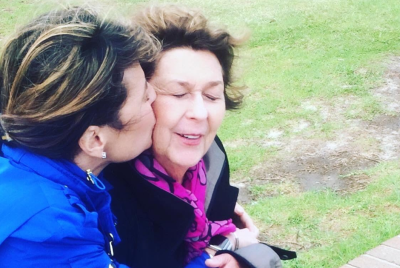
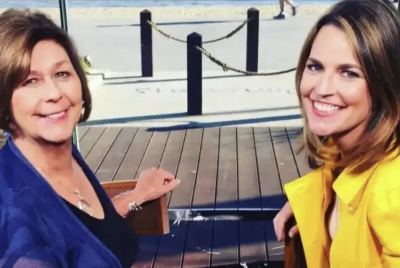
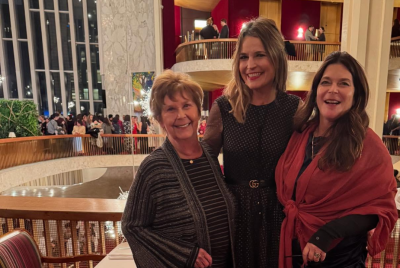
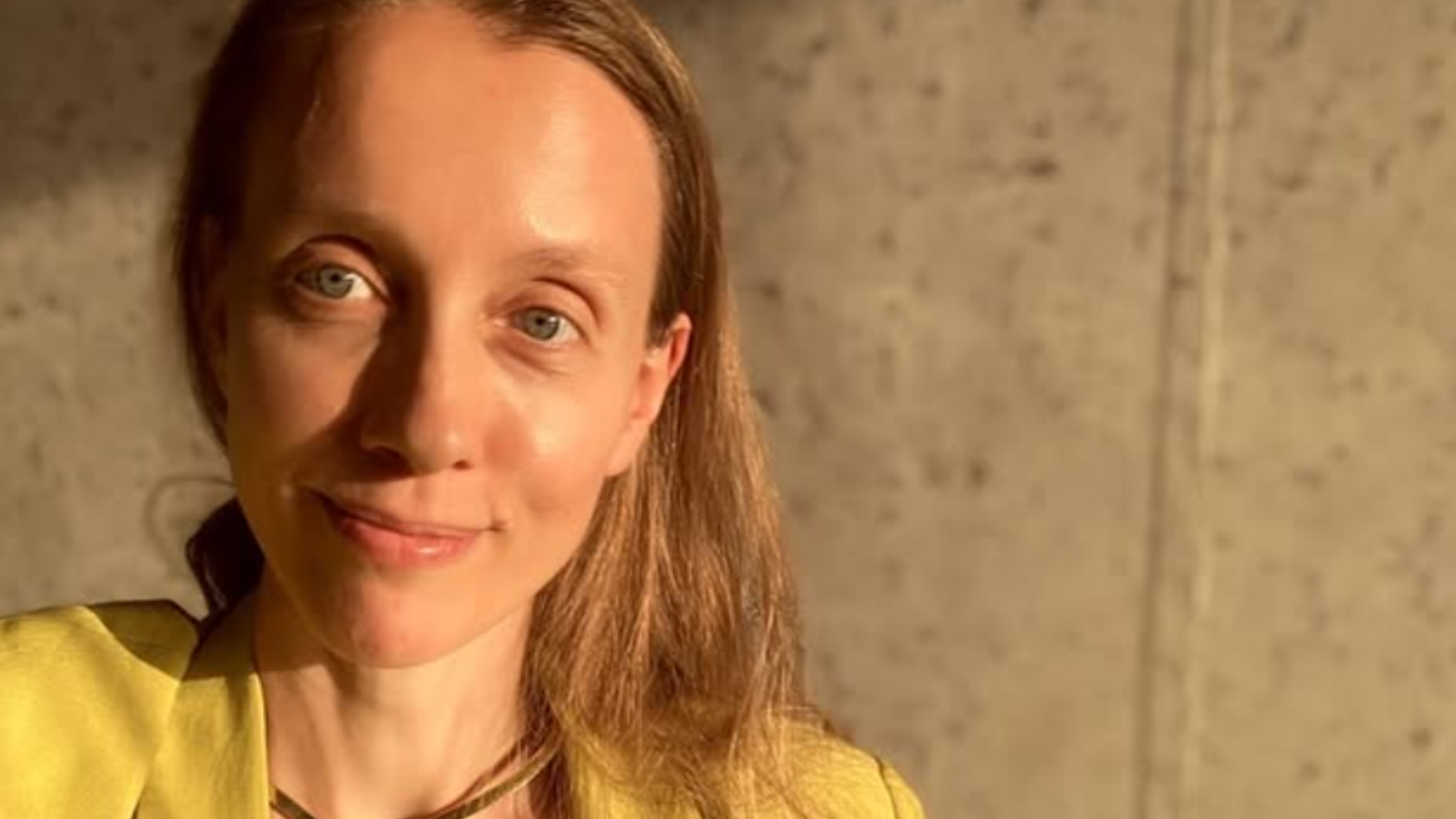
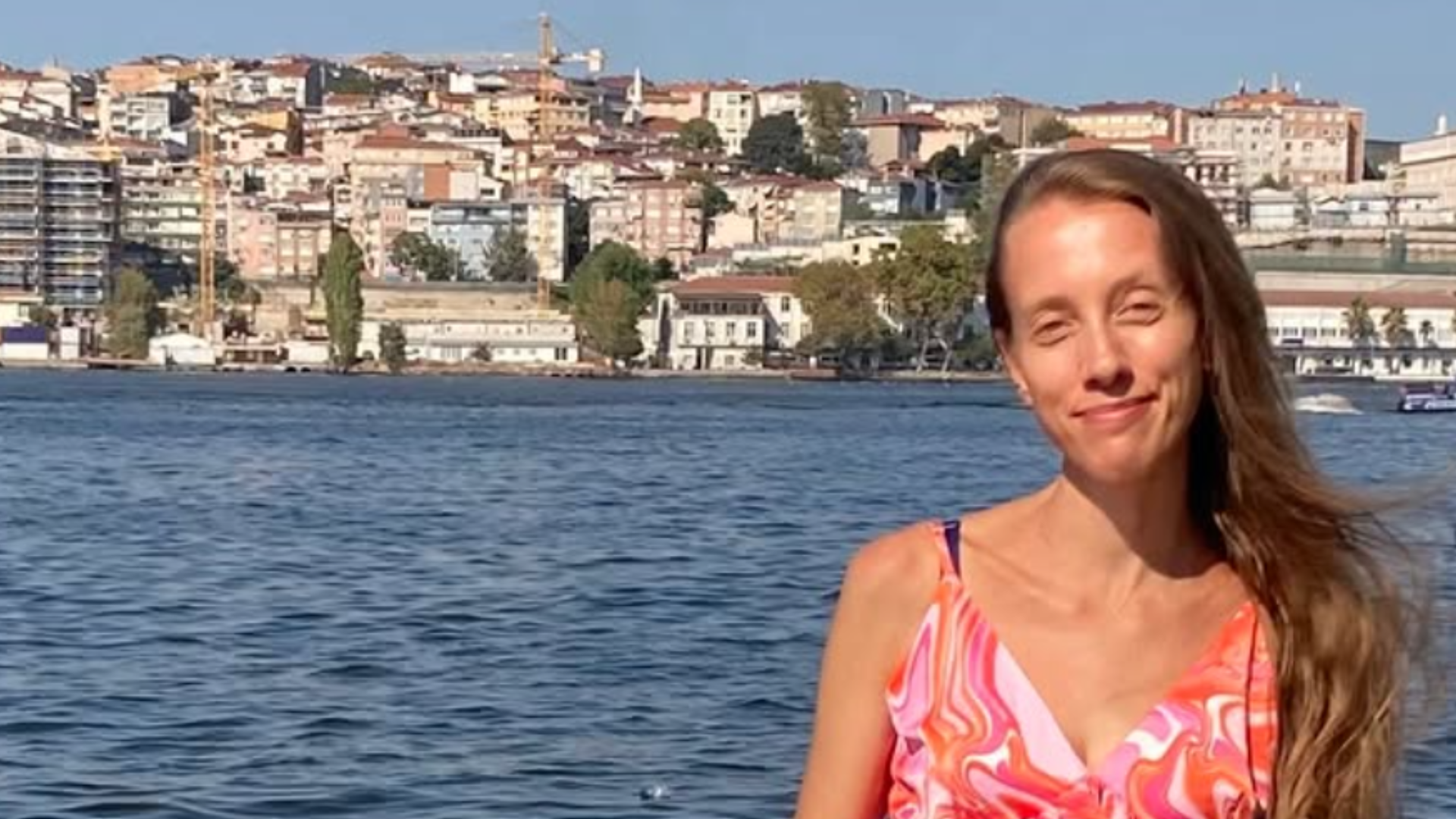
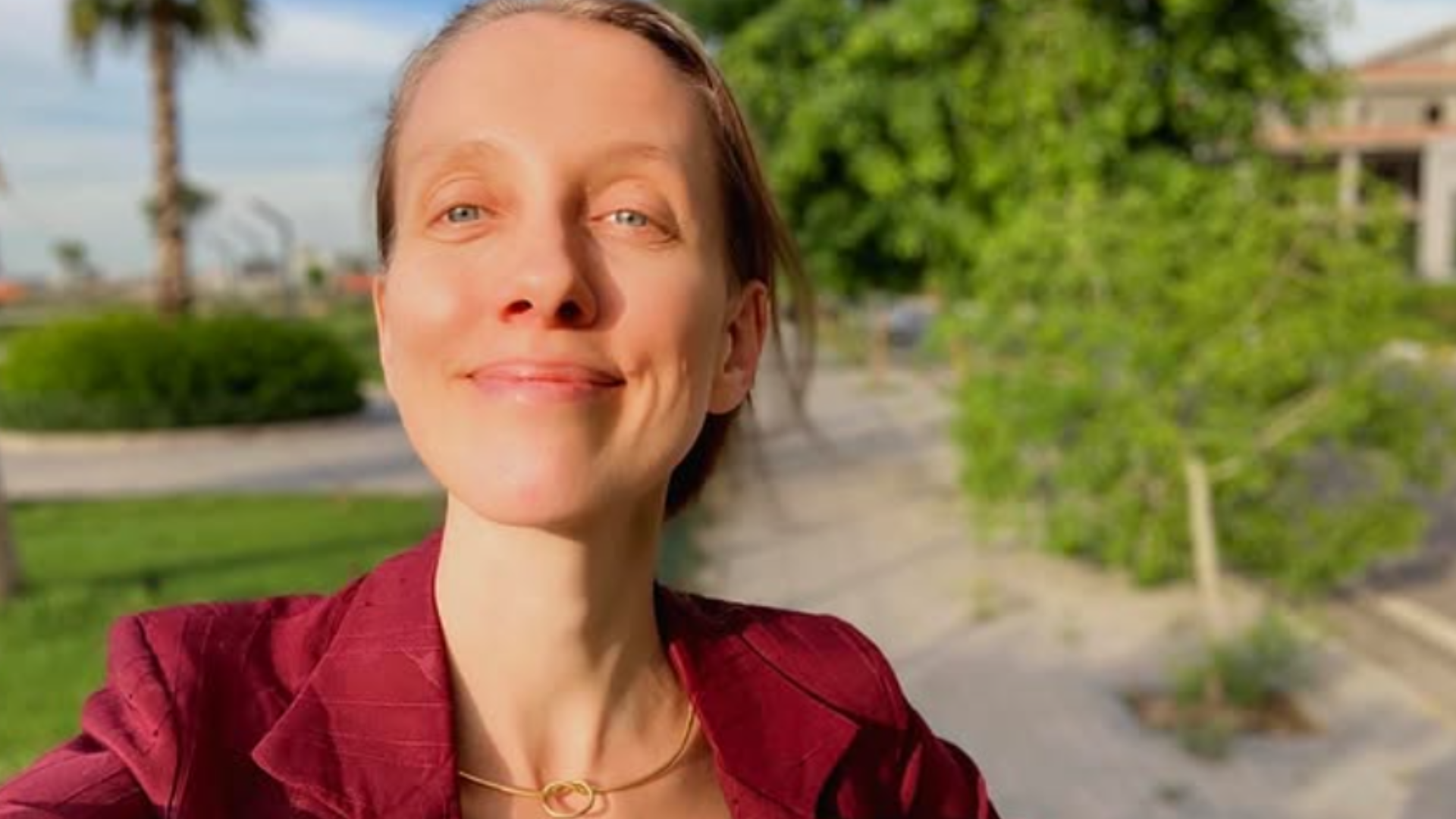
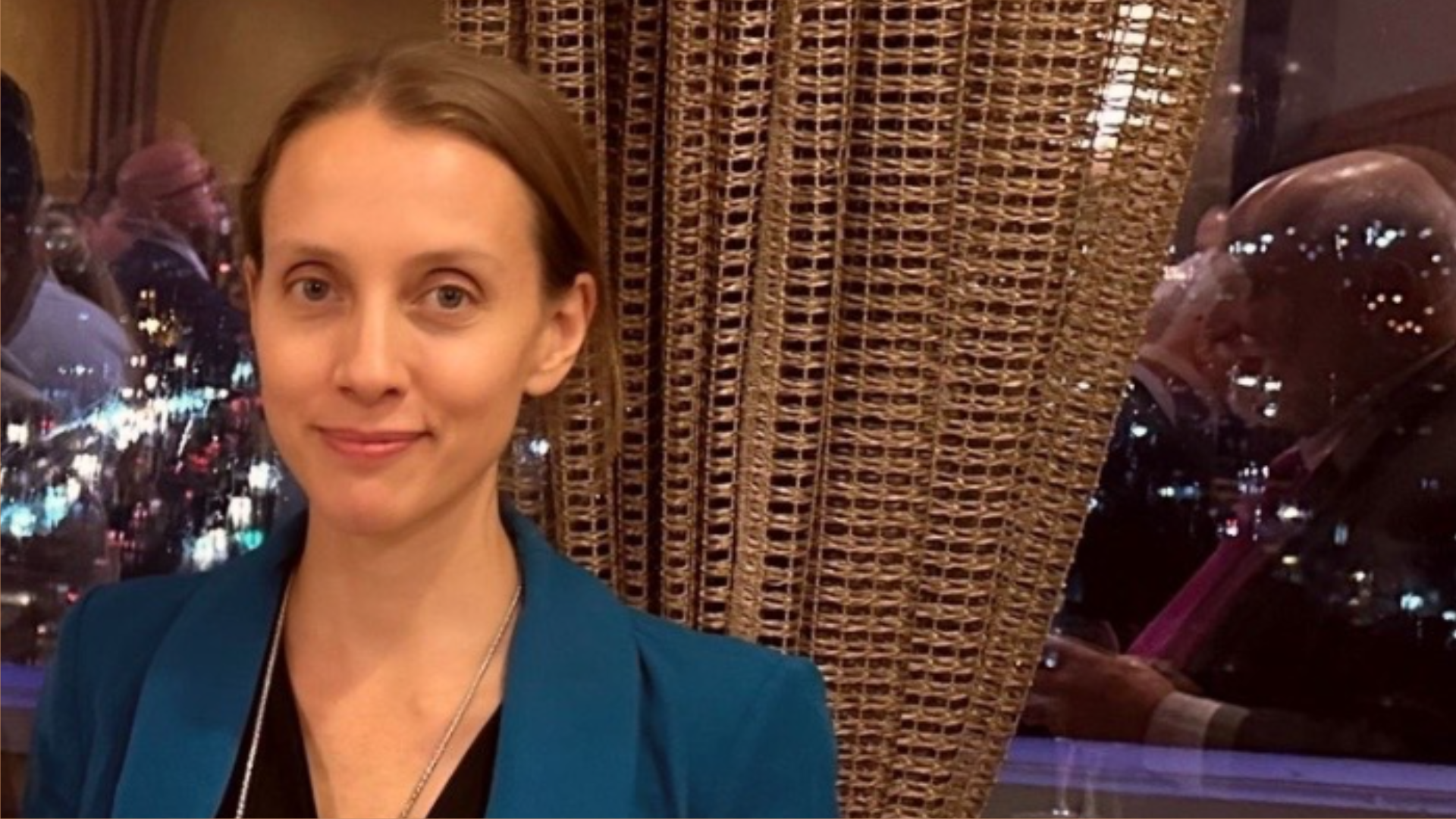
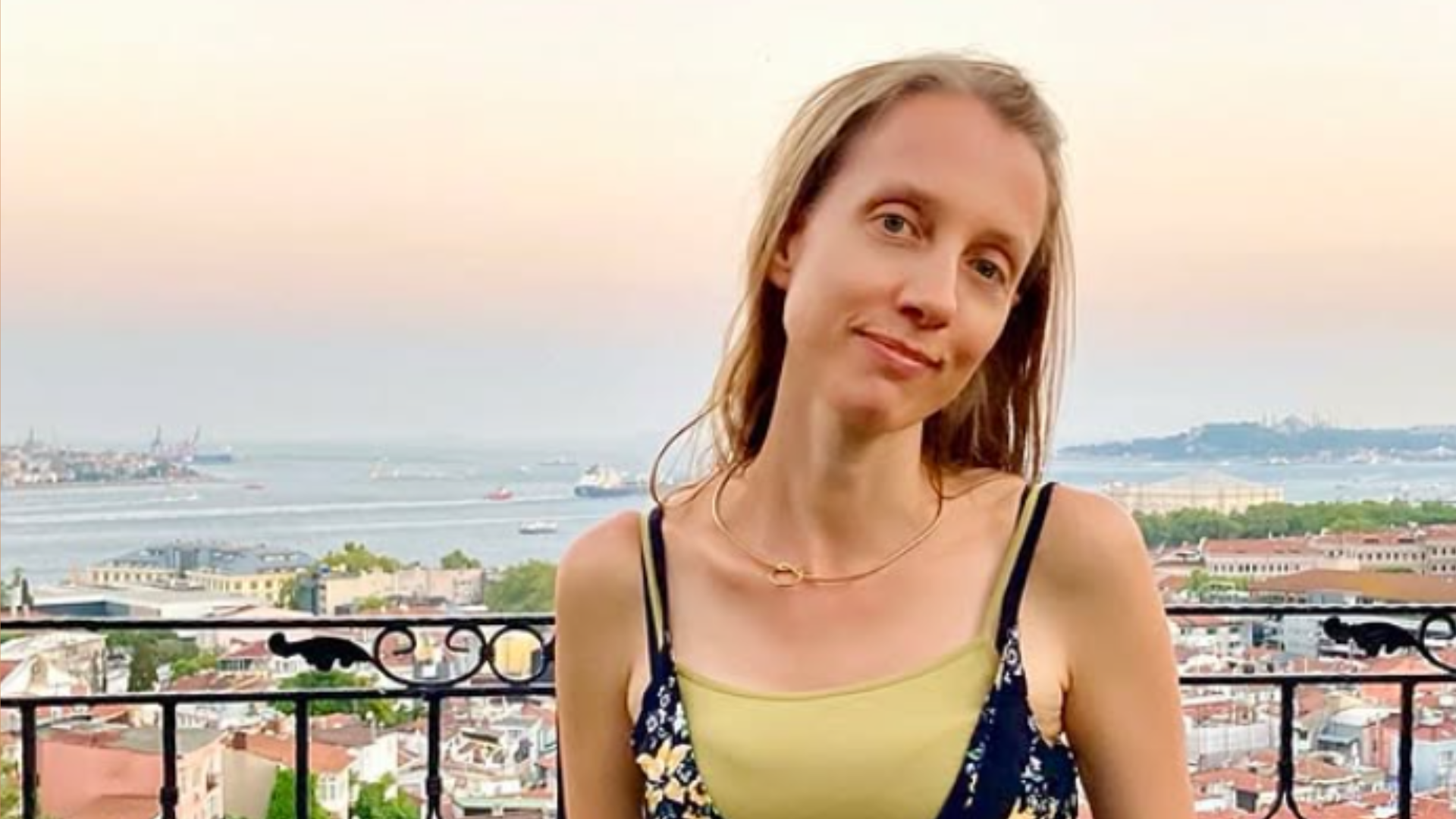
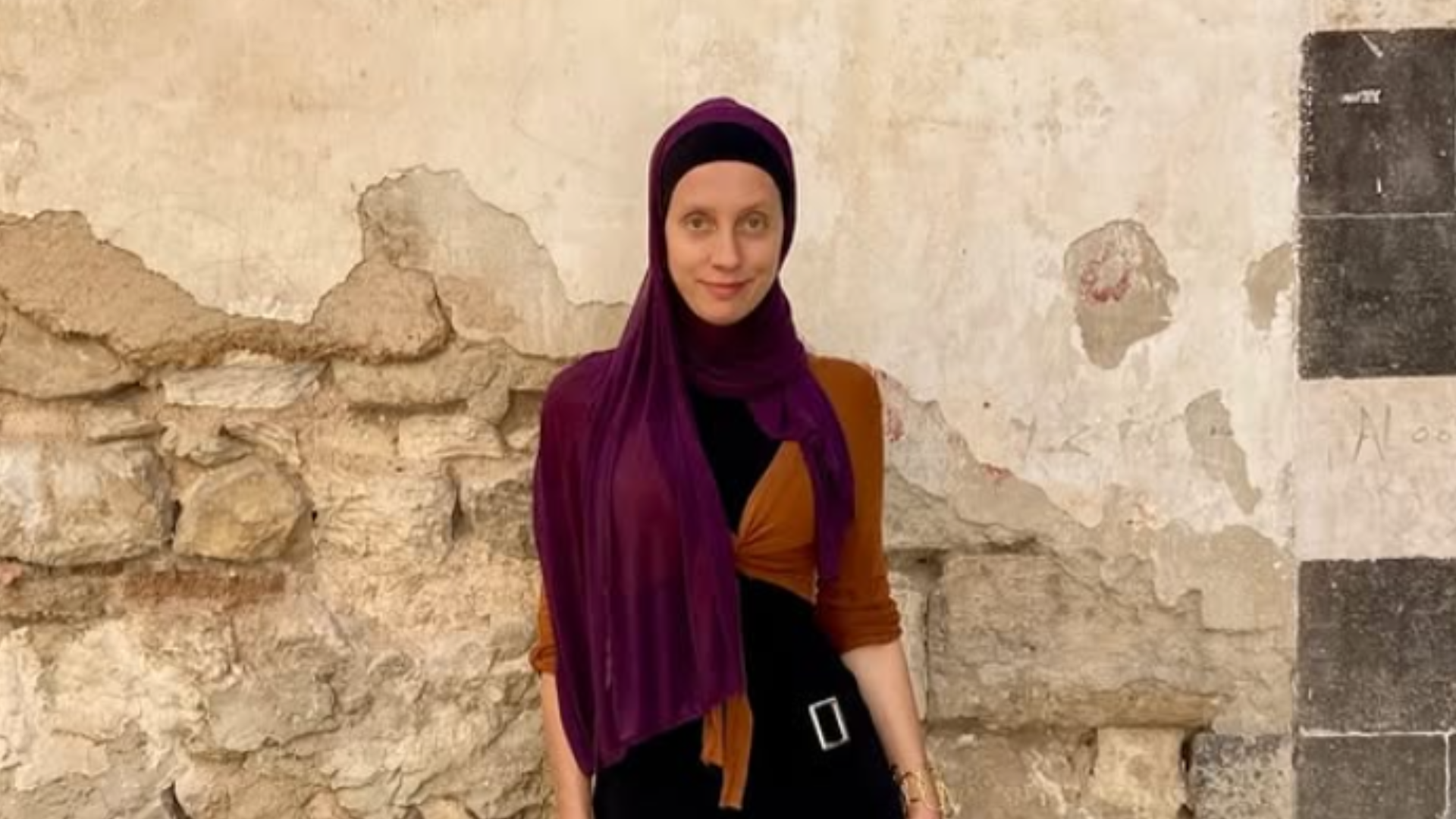
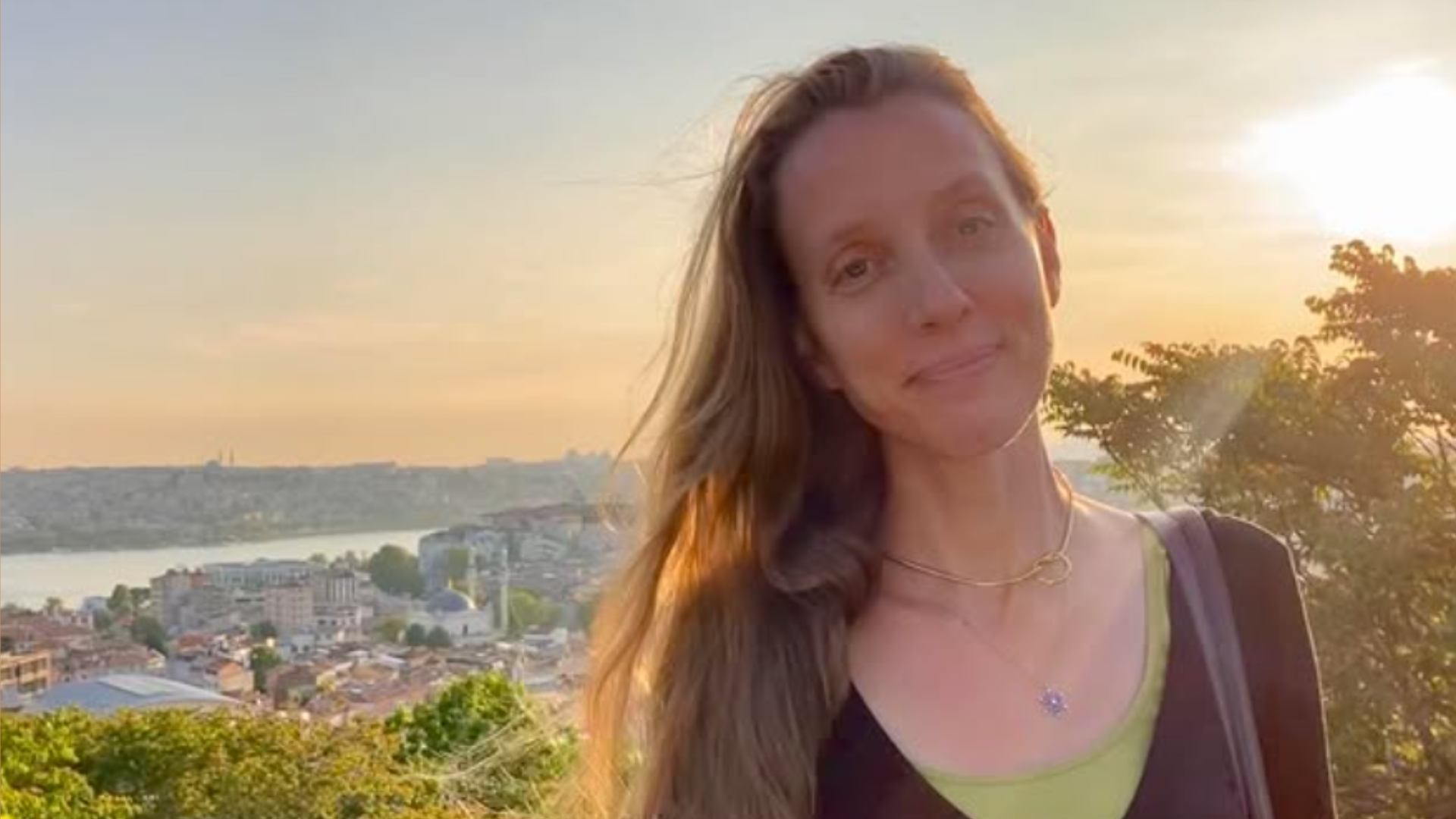
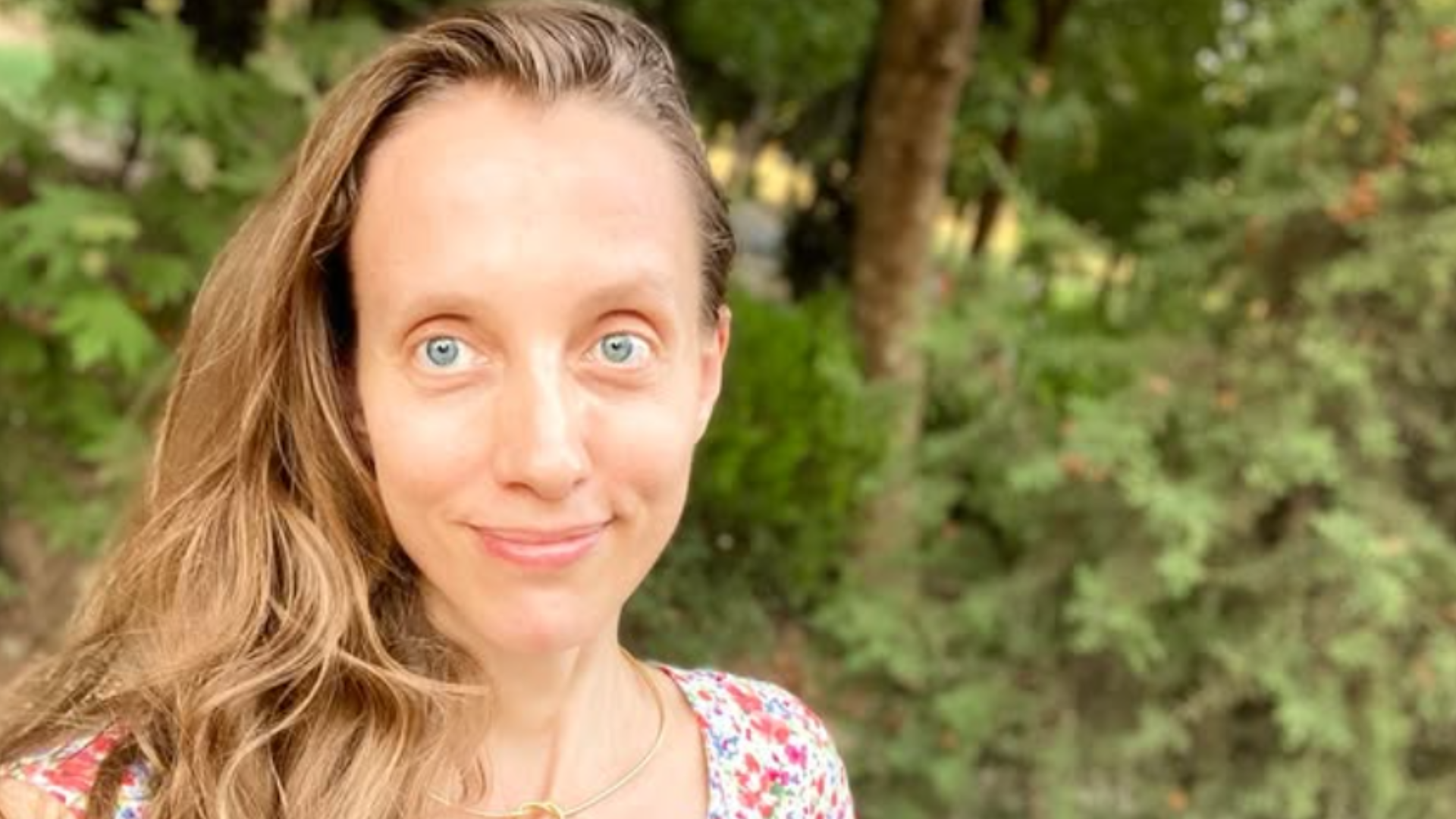
10 Photos of Shelly Kittleson as US Journalist Remains Missing After Iraq Abduction Amid Release Negotiations
Shelly Kittleson's abduction in Baghdad raises international alarm as negotiations with an Iran-linked militia may be underway

Concern is mounting worldwide as Shelly Kittleson remains missing days after being abducted in Baghdad, with new developments pointing to a possible hostage negotiation involving an Iran linked militia.
The veteran reporter, known for covering conflict zones, was seized in broad daylight, and her disappearance has now become entangled in a dangerous web of geopolitics, armed groups, and diplomatic pressure.
The Abduction in Central Baghdad
Kittleson was reportedly taken on a busy street in central Baghdad, where witnesses said armed men forced her into a vehicle before fleeing the scene. Iraqi officials later revealed that security forces attempted to pursue the kidnappers.
During the chase, the vehicle carrying Kittleson overturned on a highway outside the city. Despite the crash, the abductors quickly transferred her into another vehicle and escaped. Authorities confirmed that one suspect was left behind at the scene and is believed to be linked to Kataib Hezbollah.
This detail has become a key lead in the investigation. Intelligence sources now believe the journalist is still being held somewhere within Baghdad, though her exact location remains unknown.
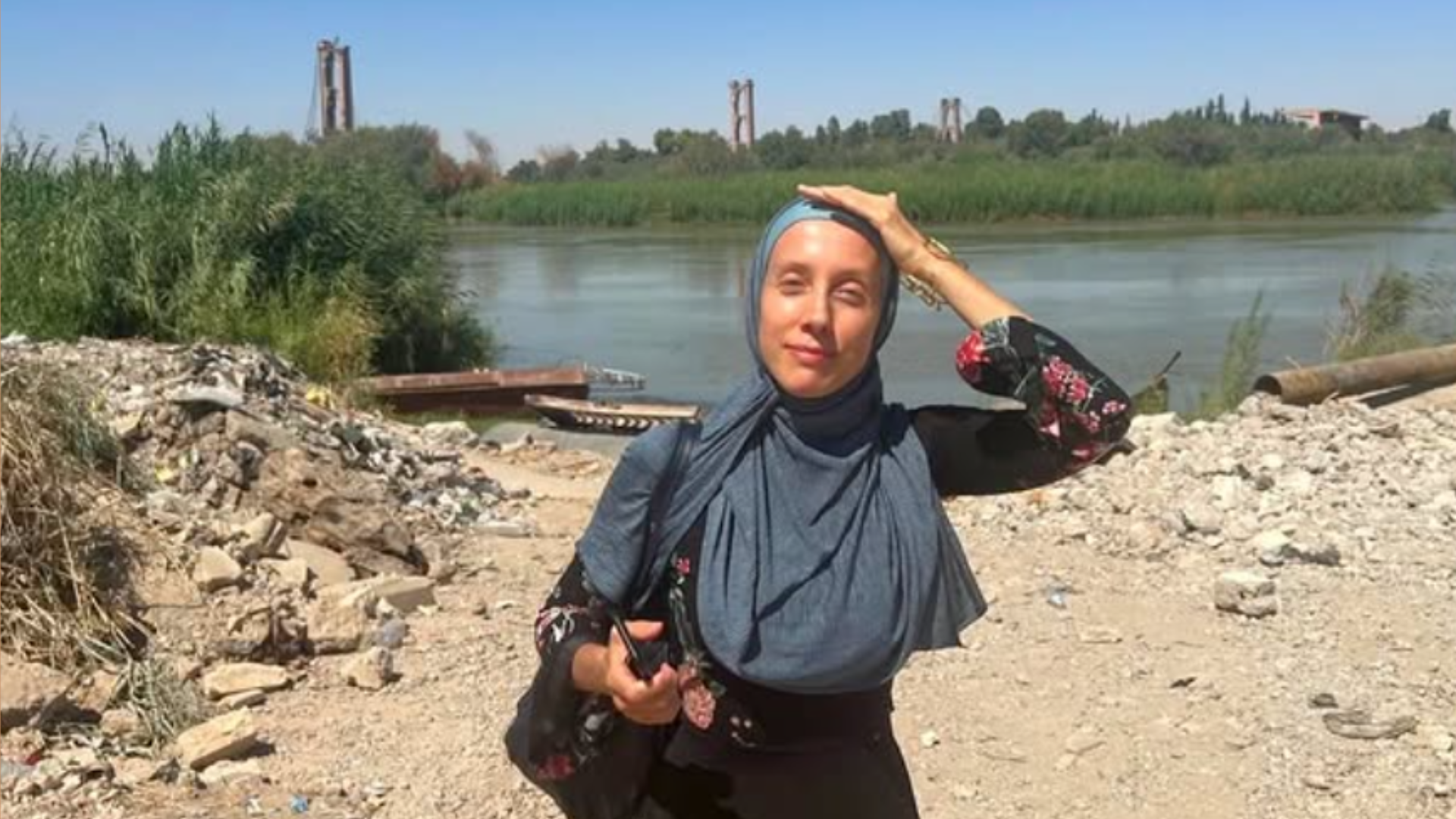
Why Kataib Hezbollah Is Being Linked to the Case
Kataib Hezbollah, a powerful militia with close ties to Iran, has emerged as the primary suspect behind the kidnapping. The group operates outside direct state control and has previously been linked to abductions of foreign nationals.
Notably, the militia was accused of holding a dual national academic hostage for more than two years. Its history of targeting individuals connected to Western countries has raised alarm among US and Iraqi officials.
The group is also known for launching attacks against US interests in the region, including strikes near diplomatic sites. Its connection to Iran's military network has further complicated efforts to resolve the situation quickly.
While no official claim of responsibility has been made, US officials believe the group is behind Kittleson's abduction, citing intelligence and past patterns.
The Release Negotiations
In a significant development, representatives believed to be linked to Kataib Hezbollah have reportedly approached Iraqi authorities with a proposal. According to security officials, the group is seeking the release of detained militia members in exchange for Kittleson's freedom.
The offer has not been publicly confirmed by the group, and it remains unclear whether additional demands will be made. However, the proposal signals that negotiations may already be underway behind the scenes.
Such exchanges are highly sensitive, as they involve balancing humanitarian concerns with national security risks. Experts warn that agreeing to such terms could set a precedent, potentially encouraging further kidnappings.
Warnings Given Before the Kidnapping
Reports indicate that Kittleson had been warned about threats against her in the days leading up to her abduction. US officials confirmed that she had received multiple alerts, including one shortly before she was taken.
An official stated, 'She was contacted multiple times with warnings of the threats against her,' highlighting the level of concern surrounding her safety even before the incident.
Kittleson had also faced travel difficulties prior to entering Iraq. She was initially turned back at the border due to security concerns linked to escalating tensions in the region. She later entered the country on a short term visa.
Her family, based in the United States, have spoken publicly about their last contact with her. Her mother said she had received photos from Iraq just a day before the kidnapping, offering a glimpse into what would become her final known movements.
As efforts to locate Kittleson continue, the case has drawn international attention, underscoring the risks faced by journalists working in conflict zones and the complex realities of reporting from regions shaped by ongoing political and military tensions.
© Copyright IBTimes 2025. All rights reserved.
- Recommended For You