Vladimir Putin Lambasted: Russians Fear 'Digital Concentration Camp' After Massive Web Blackout
Putin's digital blackout dream turns nightmare as ordinary Russians revolt.

Furious Russians took to the streets of Moscow and beyond last weekend, protesting Vladimir Putin's chaotic internet blackouts that plunged the capital into digital darkness and throttled the popular Telegram app.
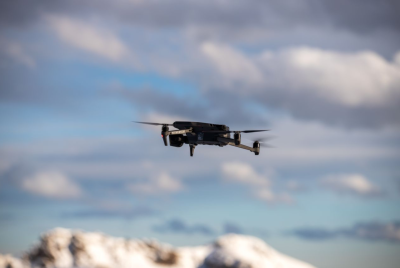
Monitoring group OVD-Info reported at least 25 arrests during the unrest, which erupted on 29 March 2026 amid weeks of mobile service disruptions, even as the Kremlin justified them as countermeasures against Ukrainian drone strikes.
Mobile internet in Moscow's central and southern districts flickered out as early as 5 March, with providers blaming external restrictions.
Residents scrambled for workarounds, such as pagers and paper maps. The intermittent outages escalated into near-total shutdowns, hitting businesses hard.
Kommersant estimated losses of 3 to 5 billion rubles over just five days as the disruptions fuelled whispers of a push towards a state-controlled whitelist system.
Russians Rally Against Digital Blackouts
IT specialist Alexander Isavnin, 49, who tried to organise a legal rally, captured the mood in stark terms to NBC News. 'Putin really wants every Russian citizen to feel alone and rejected,' he said. 'He wants them to keep their discontent inside and feel like they are the only ones not happy about what is going on. We basically live in a digital concentration camp.'
Across 17 regions, activists filed for protest permits, which were denied. Yet crowds gathered with OVD-Info detailing 25 detentions in Moscow. Human Rights Watch noted beatings in some cases and bans in at least 40 cities.
The Kremlin insists it is all about security as the establishment is scrambling to foil drones amid the grinding Ukraine war. Yet locals smell a rat. Roskomnadzor has openly throttled Telegram, used by nearly 90 million Russians. They fined it over $820,000 for alleged extremism and data lapses. All the while, they push a surveillance-heavy state app called MAX. Pavel Durov, Telegram's founder, branded it an authoritarian move.
Politician Boris Nadezhdin, who dared challenge Putin in the 2024 election, did not mince words. 'The slogans are clear,' he declared. 'Bring back the internet, bring back Telegram, we don't need your MAX.' Even state TV propaganda flopped. They aired a children's choir crooning about ditching the web altogether. It was a tone deaf stunt that only amplified the backlash.
Putin's Grip Slips
What is truly alarming is the revolt from unexpected quarters. Ilya Remeslo, a vocal Kremlin backer, publicly flipped after the blackouts. He railed against the strangling of internet and media freedoms as proof that Putin has lost his grip on reality. Then he was carted off to a psychiatric hospital.
Fitness influencer Victoria Bonya, with 13 million Instagram followers, posted a video. She questioned whether the leader even grasps the soaring prices and restrictions crushing daily life.
Pro-Kremlin outlet Moskovsky Komsomolets piled on. Its editorial savaged the off-the-charts bans. It accused authorities of treating Russians like 'small children'.
A United Russia deputy got the boot from his own party for publicly praising the Telegram crackdown.
Fears now swirl of a North Korea-style lockdown, which would seal Russia into a state-run loop. Human Rights Watch has slammed the shutdowns as violations of free expression as Putin's digital fortress looks more like a prison where the inmates are starting to bang on the bars.
© Copyright IBTimes 2026. All rights reserved.
- Recommended For You