Trump Plans Sweeping ICC Sanctions as US Demands Netanyahu Arrest Warrant Be Dropped, Report Says
Proposed measures could restrict the Hague-based court's access to the US financial system and disrupt its day-to-day operations
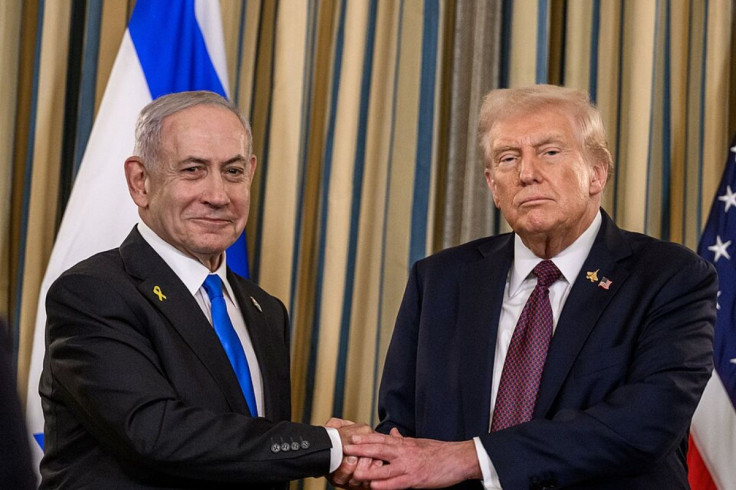
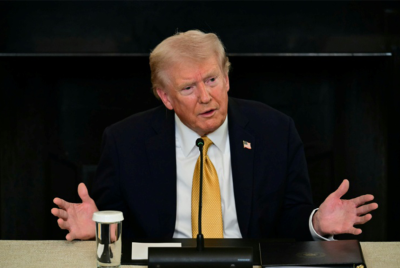
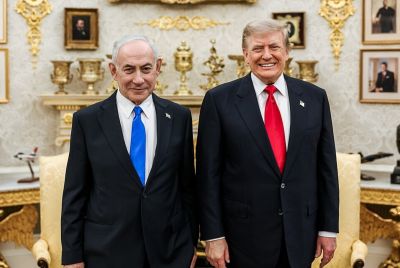
Donald Trump's administration is reportedly preparing sweeping sanctions against the International Criminal Court as Washington presses the tribunal to drop its arrest warrant for Israeli Prime Minister Benjamin Netanyahu.
The measures would target the ICC itself, going significantly beyond Washington's existing sanctions on individual judges and prosecutors, and could cut the Hague-based court off from much of the global financial system, according to The Wall Street Journal and Reuters.
Sources familiar with the plans said the sanctions are already prepared and could be announced soon, although the exact timing remains unclear. A decision could come during or shortly after this week's United Nations General Assembly in New York.
US Wants Netanyahu Warrant Dropped
The planned sanctions mark a dramatic escalation in Washington's campaign against the ICC. US officials want the court to withdraw arrest warrants against Israeli leaders and have also objected to its past investigation into alleged crimes involving American personnel in Afghanistan, Reuters reported.
The ICC issued warrants for Netanyahu and former Israeli defence minister Yoav Gallant on 21 November 2024. Judges said there were reasonable grounds to believe they bore criminal responsibility for alleged war crimes and crimes against humanity connected to the Gaza conflict.
Israel rejects the ICC's jurisdiction and the allegations. The United States, like Israel, is not a member of the court.
The ICC nevertheless says it has territorial jurisdiction over alleged crimes committed in Gaza because Palestine is a state party to the Rome Statute, a position Israel disputes.
Trump has also rejected the proceedings. In a February 2025 executive order, he accused the ICC of taking 'illegitimate and baseless actions' against the US and Israel and authorised financial and visa sanctions against people involved in certain investigations of Americans or US allies.
Sanctions Could Hit Everyday ICC Operations
Washington has already sanctioned a number of ICC judges and prosecutors, but extending restrictions to the entire institution would go significantly further.
Under entity-wide Treasury sanctions, US citizens and companies could generally be barred from providing money, goods or services to the court without a licence from the Office of Foreign Assets Control.
The WSJ reported that most transactions could be prohibited after a six- to seven-month grace period. ICC officials have warned that such restrictions could disrupt basic operations, including purchasing IT and insurance services, hiring investigators, and paying employees. Banks and contractors outside the US could also pull back for fear of losing access to the American financial system.
Reuters described sanctions against an entire international court as an unprecedented use of US economic restrictions.
Washington Steps up Pressure on Court
Trump's hostility towards the ICC stretches back to his first presidency, when his administration sanctioned individual court officials over the Afghanistan investigation.
The campaign intensified after his return to office. Secretary of State Marco Rubio announced a broader effort in July to isolate the tribunal and encourage member countries to withdraw their support.
The ICC, created in 2002, investigates and prosecutes individuals accused of genocide, crimes against humanity, war crimes and aggression when its jurisdictional requirements are met. Its warrant for Netanyahu remains active.
If the Trump administration now sanctions the court as an institution, the fight over that warrant could expand into a much larger confrontation over whether the world's permanent war-crimes tribunal can continue conducting ordinary business through the international financial system.
© Copyright IBTimes 2026. All rights reserved.
- Recommended For You