

US Rejects International Criminal Court Authority Over Americans — What It Means For You Abroad
Legal experts say the refusal may clash with a US law backing ICC probes of Russian war crimes
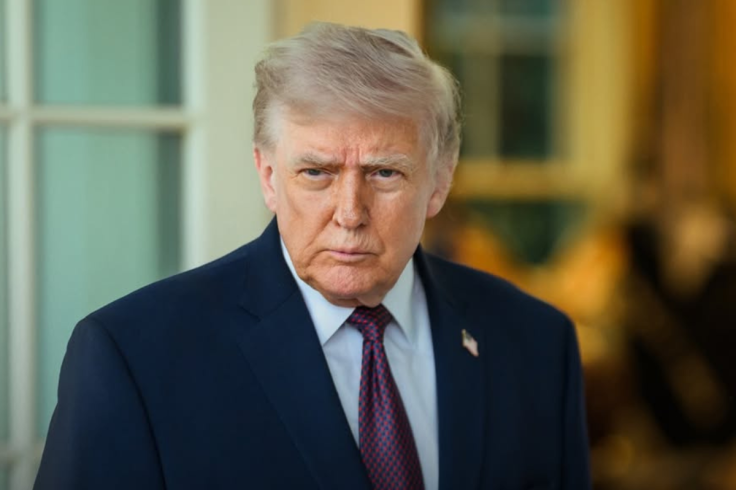
The US will not cooperate with any International Criminal Court (ICC) investigation and rejects the court's authority over Americans 'anywhere in the world', Acting Attorney General Todd Blanche told the tribunal's president in a letter the Justice Department released on Thursday, 2 July 2026.
The letter, dated 29 June and addressed to ICC President Judge Tomoko Akane in The Hague, says Washington will ignore any ICC investigation, inquiry, summons, or proceeding involving US persons and will oppose any attempt by other countries to extradite or transfer Americans to the court.
'The ICC has acted in an increasingly lawless and illegitimate manner,' Blanche wrote, accusing the court of selective enforcement and internal misconduct that he said cast serious doubt on its impartiality and legitimacy.
Why Washington Says the Court Cannot Touch Americans
The US signed the Rome Statute, the treaty that created the ICC, under President Bill Clinton in 2000 but never ratified it and formally withdrew its signature in 2002. Blanche argues that a treaty cannot bind a country that never consented to it, so any assertion of jurisdiction is unlawful.
The position also rests on the American Servicemembers' Protection Act of 2002, nicknamed the 'Hague Invasion Act' by critics. The law bars US cooperation with the court and authorises the president to use 'all means necessary and appropriate' to free any American detained under an ICC warrant or request.
What It Actually Means For You Abroad
Ordinary American tourists face no realistic ICC exposure. The court prosecutes genocide, war crimes, crimes against humanity, and the crime of aggression, so the letter's practical shield covers service members, government officials, and contractors working overseas in conflict zones.
The catch is that the Hague court investigates crimes within 125 member states, risking targeted Americans regardless of nationality. Blanche's letter cannot change these regulations, but it explicitly guarantees Washington will never extradite anyone.
A Letter That May Collide With Congress
Legal scholars question whether the blanket refusal squares with existing US law. Jennifer Trahan, a clinical professor at New York University's Center for Global Affairs, told Newsweek the position itself is decades old, and the timing puzzles her because the court's earlier investigation into US conduct in Afghanistan has been de-prioritised.
Trahan pointed to Ukraine, where Congress passed legislation allowing US cooperation with the ICC on investigating Russian war crimes and crimes against humanity. 'I don't know that a letter can undo legislation,' she said, describing the message as a clear commitment to withhold cooperation.
Sanctions, Lawsuits, and the Israel Question
The letter surfaced the same week three ICC judges sued the Trump administration in Manhattan federal court over sanctions imposed on court personnel, arguing the measures seek to punish and coerce the tribunal.
Blanche also wrote that the US 'unequivocally opposes' and expects allies to oppose any ICC action against the US, Israel, or any other American ally that never consented to the court's jurisdiction. The line carries weight because ICC arrest warrants connected to the Israel-Hamas conflict remain active.
Supporters of the court argue that bodies like the ICC matter most when national governments refuse to investigate their own. Blanche's answer is that no foreign tribunal will ever judge an American, and that refusal is now official US policy in writing.
© Copyright IBTimes 2026. All rights reserved.