Trump's 'Final Battle' Message Returns in Taxpayer-Funded Ad After Campaign Used It in 2024
The 30-second advert has drawn scrutiny over possible partisan promotion ahead of the 2026 midterms
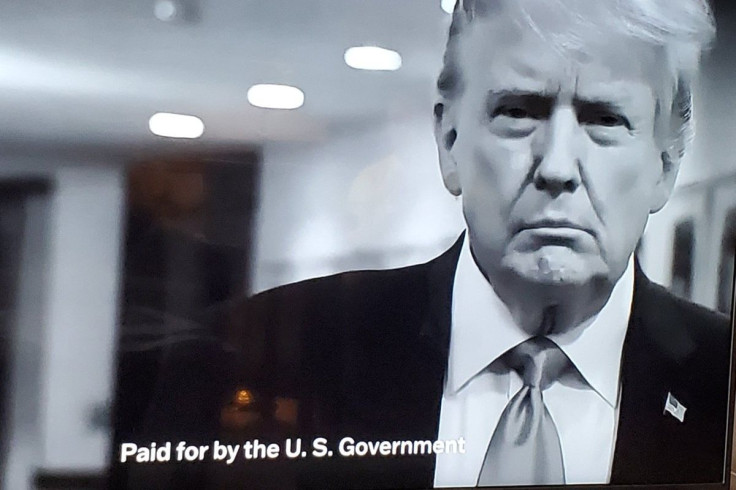
Trump's 'Final Battle' message from his 2024 presidential campaign has returned to American television, this time in an advertisement carrying a very different disclaimer: 'Paid for by the U.S. Government.'
The 30-second black-and-white spot shows Trump walking towards the camera while promising to defeat the 'deep state', 'globalists' and other political targets. A closely similar version used during his 2024 campaign instead ended by urging viewers to join Trump's 'fight for America'.
The revived message is airing weeks before the November 2026 midterm elections and has intensified scrutiny over the use of taxpayer money for advertisements centred on the president.
From Campaign Message to Government Advertisement
The wording is striking because the 'Final Battle' message was explicitly used to promote Trump's political movement during the 2024 presidential campaign.
In the new version, Trump says his movement will 'demolish the deep state', remove 'warmongers' from government and drive out globalists, communists, Marxists and fascists. The campaign-era call to action is gone. In its place is the government funding disclosure.
The advertisement forms part of a wider series of taxpayer-funded spots featuring Trump. Other recent advertisements have promoted his administration's record and used patriotic imagery, including footage of Mount Rushmore.
That makes the revived 'Final Battle' video distinctive: rather than simply featuring the president, it repurposes messaging previously associated with his election campaign.
White House Calls Them Public Service Announcements
The White House disputes the characterisation of the advertisements as campaign material.
In a 25 September statement, it described them as public service announcements and argued that Trump is not on the 2026 ballot and that the spots contain no electoral call to action.
The administration said their purpose is to encourage Americans to 'love their country' and understand why it is worth defending.
It also pointed to advertising under previous administrations, including George W. Bush-era messaging about Medicare and the Biden administration's COVID-19 public health campaign, as evidence that presidents have previously appeared in government-funded communications.
Those examples, however, do not by themselves determine whether the current advertisements comply with federal spending restrictions.
Here is the Trump ad paid for by your tax dollars running on Sunday NFL games. It originally ran during the 2024 campaign. https://t.co/DOCBw7Cm7F pic.twitter.com/GtEePWjcQW
— Jamie Dupree (@jamiedupree) September 27, 2026
Why the Funding Is Under Scrutiny
Federal appropriations have long contained restrictions on using government money for unauthorised 'publicity or propaganda'.
The US Government Accountability Office has previously found that appropriated funds cannot be used for certain forms of publicity or propaganda, including purely partisan communications, while government agencies retain authority to explain and defend their policies.
That distinction is central to the dispute surrounding Trump's advertisements. Lawmakers from both parties have questioned the use of taxpayer money for the recent spots, while the White House maintains they are legitimate government communications rather than election advertising.
The latest advertisement makes that debate unusually visible because viewers can compare essentially the same 'Final Battle' message across two different contexts. In 2024, it asked Americans to join Trump's political fight. In 2026, the closing message tells them the US government paid for it.
The controversy now centres on whether repurposing campaign-era rhetoric for government-funded messaging crosses boundaries intended to separate official public communication from partisan political promotion before elections.
© Copyright IBTimes 2026. All rights reserved.
- Recommended For You