Trump's 'Love Me' Advert Costs Taxpayers at Least $443K as Raskin Questions Its Legality
A government-funded Trump advert has prompted rare Republican criticism as lawmakers question whether public money should be used to promote a sitting president
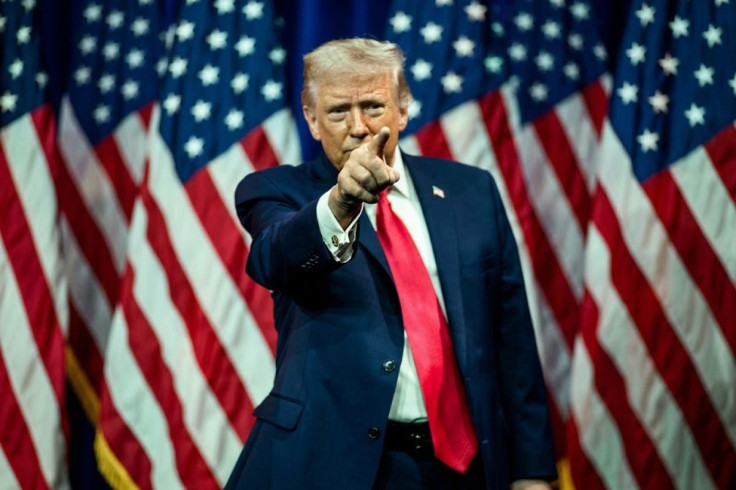
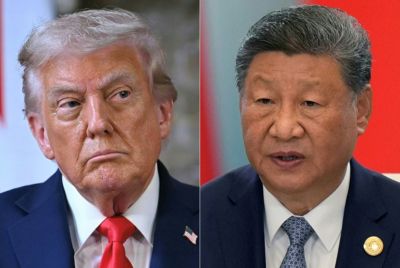
The White House's taxpayer-funded 'Love Me' television advert featuring Donald Trump had generated at least £333,863 ($443,000) in tracked media spending by 25 September, according to AdImpact figures. The figure reflects media spending tracked at that point and was not necessarily the final cost of the wider advertising effort.
Rep Jamie Raskin, a Democratic congressman from Maryland, said the spending 'may be felony criminal theft and conversion of government property for political campaign purposes'. His statement alleges the use of government resources, not a legal finding that Trump, the White House, or any federal employee committed a crime.
The White House has defended its Trump-focused adverts as public-service announcements, calling them 'educational and unapologetically patriotic'. It has argued that Trump is not on the ballot in the current election cycle and that the adverts contain no direct call to action.
First 'Love Me' Advert Draws Questions
The first 30-second spot aired on Fox News and Newsmax with the on-screen disclosure 'Paid for by the U.S. Government'. It featured images of Trump, messaging opposing communism, socialism and Marxism, and the JMSN song 'Love Me'.
AdImpact initially put the tracked media buy for the first advert at about £10,535 ($14,000). By 25 September, tracked spending associated with the spot had risen to at least £333,863 ($443,000) as distribution expanded beyond its original placements.
Early reporting did not identify the specific federal account or appropriation used to pay for the media buy. The White House later described the spot as a public-service announcement and rejected the view that it was political advertising.
Raskin Raises Legal Questions
Raskin's social-media post set out more than one legal theory. He wrote that the use of government property and resources 'may be felony criminal theft and conversion of government property for political campaign purposes'.
He separately argued that federal employees who worked on the spot or used government resources to produce it could have violated the Hatch Act. That is Raskin's allegation, and no reported court, criminal investigation or administrative process has found a Hatch Act breach occurred.
The legal questions over public spending, restrictions on government publicity or propaganda, and potential employee conduct are distinct. No reported ruling has established that a criminal offence, Hatch Act violation or improper expenditure took place.
More Than One Trump Advert
A separate one-minute advert reported on 25 September showed Trump speaking with Mount Rushmore behind him and used clips from his Fourth of July address. Its cost was not immediately clear.
A further taxpayer-funded advert later used Trump's 'final battle' language and campaign-era material, including footage previously associated with the 2024 Republican National Convention. The Guardian reported that C-SPAN had identified the convention footage as material 'provided by the Republican National Committee'.
The use of campaign-era content has drawn criticism of the White House advertising effort. It does not, on its own, establish whether the adverts were unlawful, but it has sharpened the dispute over whether the messaging was governmental or political.
Republican Critics Join Debate
Republican senator Thom Tillis called the use of taxpayer money for the first advert 'inappropriate'. Louisiana Republican senator John Kennedy also said public money should not be used to promote public officials.
On CBS's 'Face the Nation', Kennedy said: 'I think there ought to be a rule that you can't (well, there probably is a rule) you can't spend public money to promote yourself.' He did not say the Trump adverts had been found illegal or accuse the White House of committing a crime.
JMSN Disputes Music Use
The first spot became known as the 'Love Me' ad because of its soundtrack. JMSN said he had not authorised his song's use for political purposes and was considering legal options.
There has been no reported legal finding that the song's use was unlawful. The music dispute is separate from the questions raised over the government-funded advertising.
Taxpayer-funded adverts featuring Trump were broadcast on television, and tracked spending on the first spot reached at least £333,863 ($443,000) by 25 September. The White House calls the material public-service messaging, while lawmakers from both parties have questioned the appropriateness or legality of using government funds for the adverts.
© Copyright IBTimes 2026. All rights reserved.
- Recommended For You