'He Wanted To Reduce the Controversy': MAGA Man Defends Trump Signing Epstein Files Bill
MAGA supporter argues Trump signed the Epstein files bill to contain political fallout
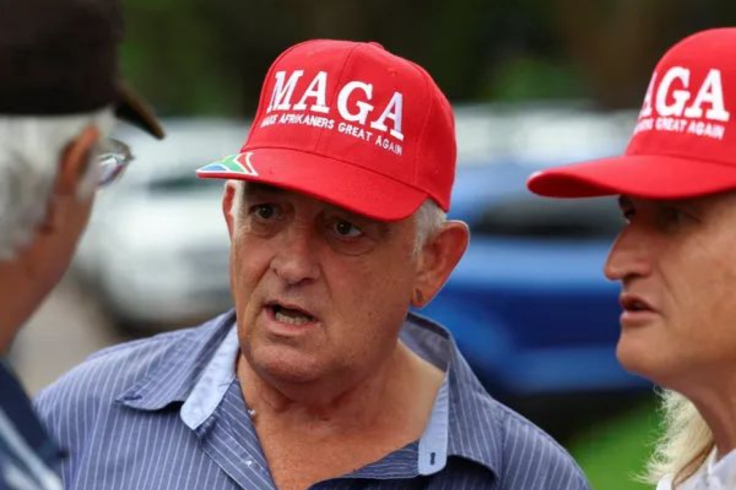
Donald Trump's decision to sign legislation ordering the release of Jeffrey Epstein-related records became the centre of a fiery political debate, with one MAGA supporter insisting the president's actions should not automatically be read as proof that he wanted the files released from the outset.
During a heated podcast exchange, the supporter argued that Trump ultimately backed the legislation because it had overwhelming congressional support and refusing to sign it would have created even greater political fallout.
His opponent, however, argued that Trump's earlier resistance to the release effort showed a different picture.
Trump Ultimately Signed the Epstein Files Bill
The dispute centres on the Epstein Files Transparency Act, which Trump signed into law on 19 November 2025. The legislation required the Justice Department to release unclassified records relating to Epstein and his associate Ghislaine Maxwell, subject to specific exceptions including protections for victims and sensitive information.
Before signing the measure, Trump had publicly changed his position and urged House Republicans to support it. The House subsequently passed the legislation by 427 votes to one, while the Senate approved it unanimously.
Trump then announced that he had signed the bill, saying he had nothing to hide and arguing that information involving prominent Democrats could also emerge from the release.
The MAGA supporter used that sequence to argue that Trump did support the legislation before it reached his desk.
MAGA Supporter Says Trump Faced Political Pressure
During the podcast debate, the supporter rejected the suggestion that Trump's signature proved he had initially wanted the files released.
Instead, he argued that Trump had two broad choices once Congress had secured enough support for the measure: accept the legislation or oppose it and risk further political consequences.
The supporter ultimately described Trump's decision as an attempt to reduce the controversy surrounding the issue.
'He wanted to reduce the controversy,' he argued, presenting Trump's decision as a political calculation rather than evidence of an effort to conceal wrongdoing.
His opponent challenged that explanation, arguing that the political circumstances surrounding the bill made Trump's eventual support look more like a reversal after resistance from parts of his administration and Republican leadership.
The exchange repeatedly returned to the House discharge petition, a procedure that allowed lawmakers to force a vote after gathering enough signatures. The petition ultimately reached the required threshold after newly elected Democrat Adelita Grijalva was sworn in, clearing the way for the House vote.
Debate Turns to Trump's Earlier Resistance
The most heated part of the discussion concerned what happened before Trump urged Republicans to vote for the bill.
Trump had faced weeks of pressure over the Epstein files before reversing course. Reuters reported that the White House had sought to slow the measure while Trump publicly insisted his administration had nothing to hide.
The opposing speaker argued that this earlier resistance was significant because lawmakers had used the discharge petition specifically to bypass House leadership and force a vote.
The MAGA supporter pushed back, saying opposition to the procedural route did not necessarily prove opposition to releasing the files themselves.
© Copyright IBTimes 2026. All rights reserved.
- Recommended For You