

Trump Pushes for Mandatory NDAs for Federal Workers, Sparks Fears of a Government 'Gag Order' on Whistleblowers
Draft policy expands secrecy rules to sensitive and pre-decisional government data
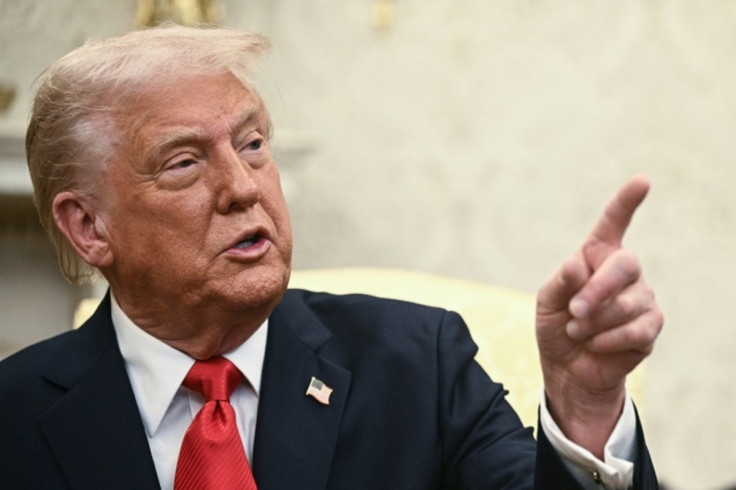
Donald Trump's administration is moving forward with a proposal that would require all federal employees to sign non-disclosure agreements, in a sweeping attempt to tighten control over government information. The draft policy would apply to both new and existing staff across federal agencies and could extend to former employees, raising concerns among press freedom groups that it may function as a broad restriction on speaking to journalists.
The measure comes amid ongoing tensions over leaks of internal communications and sensitive government operations, and is now set to undergo a 30-day public comment period before any final decision is made.
Government-Wide NDA Proposal Details
The draft notice proposes a uniform non-disclosure agreement for the entire federal workforce, with agencies given discretion over implementation but encouraged to adopt consistent standards. The aim, according to the document, is to better protect confidential government information and prevent unauthorised disclosures to the media.
Under the proposal, federal employees would be required to sign agreements covering a wide range of material, including non-public communications and sensitive internal discussions. Former employees would also be restricted from sharing covered information without written approval from an authorised agency official, or risk civil and criminal penalties.
The Office of Personnel Management has argued that the approach aligns federal practice with private sector standards. Scott Kupor said the federal government should not be held to a lower standard than companies that routinely use NDAs to safeguard sensitive material, adding that the proposal is designed to strengthen accountability and protect government data.
Broad Definition of Confidential Information
A key point of contention is the draft's expansive definition of what constitutes confidential government information. As reported by The Independent, it includes not only classified material, but also a wide category of non-public content such as proprietary data, pre-decisional discussions, deliberative communications, and any sensitive material not publicly available.
The wording effectively extends beyond traditional classification systems, potentially covering routine policy discussions and internal decision-making processes. The draft also highlights concerns over past leaks, including disclosures related to federal law enforcement operations and the identities of Immigration and Customs Enforcement personnel, which officials say could endanger staff safety and disrupt agency work.
Concerns Over Press Freedom and Whistleblowers
Media rights and civil liberties groups have raised alarms over the potential impact on press freedom and transparency. Freedom of the Press Foundation has described the proposal as unnecessarily broad and potentially dangerous, warning it could discourage employees from speaking out about wrongdoing or misconduct.
Critics argue the policy could chill internal reporting and limit journalists' access to government sources, particularly where disclosures involve politically sensitive or embarrassing information. There are concerns that even indirect communication with reporters could expose current and former staff to legal consequences if material is later deemed confidential under the proposed framework.
Whistleblower Protections and Legal Context
The draft policy states it would not apply to protected whistleblower disclosures made through authorised internal oversight channels or to Congress. Federal law already protects employees who report fraud, abuse, or misconduct under whistleblower statutes.
However, watchdog groups argue that the broad language of the proposal could still deter workers from coming forward, especially if they are uncertain whether information qualifies as protected. Critics say ambiguity in enforcement could create a chilling effect even where legal protections exist.
Next Steps for the NDA Proposal
The draft rule is not yet final and will be open for public comment for 30 days. Federal agencies, advocacy groups, and members of the public will be able to submit feedback before any final version is issued.
Following this consultation period, the administration may revise the proposal before deciding whether to formalise a government-wide non-disclosure requirement for federal employees.
© Copyright IBTimes 2026. All rights reserved.