Trump's Tariffs Force Another $12 Billion 'Band Aid Solution' Farmer Bailout
One-off tariff revenue payouts aim to ease farmers' losses but fall short of addressing deeper trade-market disruptions
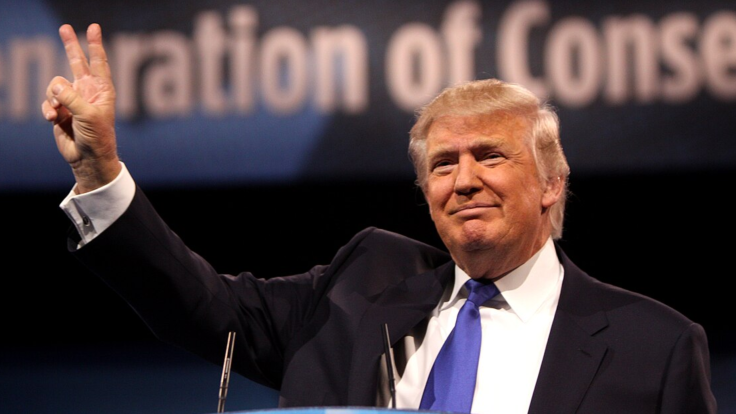
Trump's latest £9.7 billion ($12 billion) tariff-funded bailout for US farmers lays bare a deepening crisis in agricultural markets, with industry leaders and farmers warning that the so-called Farmer Bridge Assistance programme does little more than patch the wounds inflicted by Trump's own trade policies.
The one-off payment scheme, unveiled by the US Department of Agriculture (USDA), aims to offset 'temporary trade market disruptions and increased production costs' by providing financial relief to crop producers. But critics from farm states to agricultural economists say the package amounts to a short-term salve that fails to grapple with the scale of losses linked to retaliatory tariffs and shrinking export markets.
USDA Announces £9.7 Billion 'Bridge' Payments
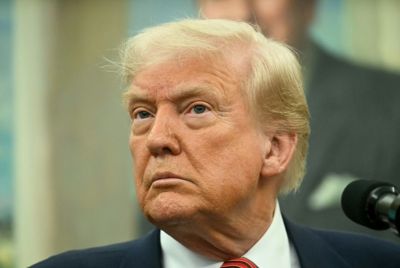
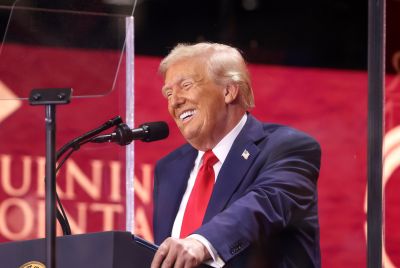
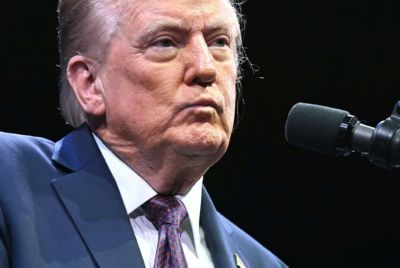
Trump, Agriculture Secretary Brooke L. Rollins, Treasury Secretary Scott Bessent and leading congressional Republicans stood alongside farmers to announce a £9.7 billion ($12 billion) one-time set of bridge payments to American producers. The USDA press release states up to £8.9 billion ($11 billion) will be channelled through the newly created Farmer Bridge Assistance (FBA) programme, aimed primarily at row-crop farmers, including producers of soybeans, corn, wheat, cotton and rice.
The remaining £0.8 billion ($1 billion) is set aside for specialty crop and sugar producers, although concrete details on distribution timelines and eligibility criteria for these categories remain under development. Officials say payments will be calculated using a uniform formula that incorporates planted acreage, cost-of-production estimates and market yields, with the first instalments expected by Feb. 28, 2026 for those farmers who provide accurate acreage reports by Dec. 19, 2025.

Reaction From Farm States: Relief, But Not Enough
The response from agricultural leaders has been sharply mixed. In a press release, USDA Secretary Rollins quoted widespread praise from governors, commodity groups and farm bureaus for the relief package, describing the assistance as a 'lifeline' for producers weathering market disruptions.
Jordan Dux, senior director of national affairs for the Nebraska Farm Bureau, said, 'If a government impacts producer profitability, we hope that the government will make that right ... this move today is necessary but not a sustainable fix'.
However, Illinois Department of Agriculture Director Jerry Costello II characterised Trump's trade policies as 'crushing' farmers, arguing the £9.7 billion ($12 billion) package will barely cover their mounting losses from prolonged trade disruptions.
Farmers on the ground echoed these concerns. John Bartman, a soybean farmer from Illinois, labelled the bailout a 'drop in the bucket', pointing out that it approximates the value of crops Chinese markets might have purchased in a typical year absent tariff retaliation.
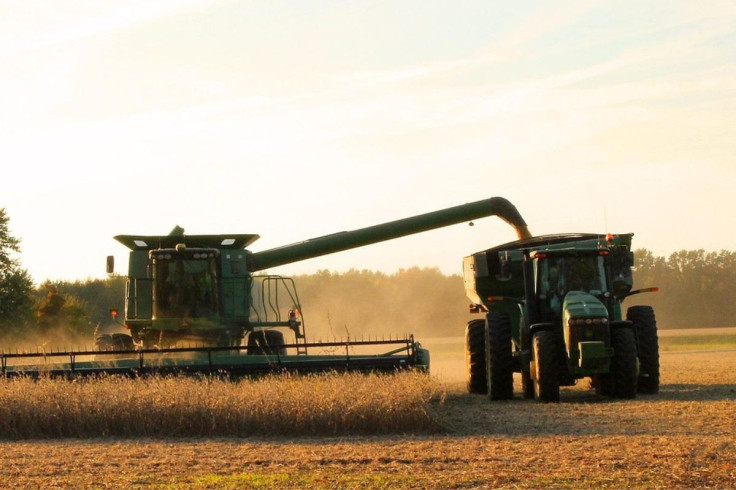
Market Losses and Retaliation
The current aid package is inseparable from the backdrop of Trump's aggressive tariff strategy, which has targeted imports from China, Canada and Mexico throughout 2025. Critics argue this approach has triggered broad retaliation that slammed key agricultural export markets and contributed to depressed commodity prices.
Historically, tariff conflicts have exacted steep costs on US agriculture. A USDA Economic Research Service report on prior retaliatory tariffs found that losses in US agricultural exports exceeded £20 billion ($27 billion) annually during earlier trade disputes, with soybeans accounting for the bulk of that decline.
In the most recent cycle, China's reduction of soybean purchases and Canada's counter-tariffs on grains and other agricultural exports have eroded traditional overseas markets. This has particularly hit soya and corn producers, who rely on international demand for over half of their crops.
As the first instalments of the Farmer Bridge Assistance programme roll out in early 2026, rural communities will be watching closely to see if the £9.7 billion ($12 billion) aid truly stabilises farms or merely delays broader structural reckoning in US agriculture. Trump's tariff-funded bailout may offer temporary relief, but for many farmers it remains a stopgap against deeper market disruptions that have reshaped the agricultural landscape.
© Copyright IBTimes 2025. All rights reserved.
- Recommended For You