

New UK Register for Child Cruelty Offenders Explained: What Every Parent Should Know
UK government unveiled a national Child Cruelty Register to mirror the monitoring of sex offenders, following a tireless campaign by Tony Hudgell's family.
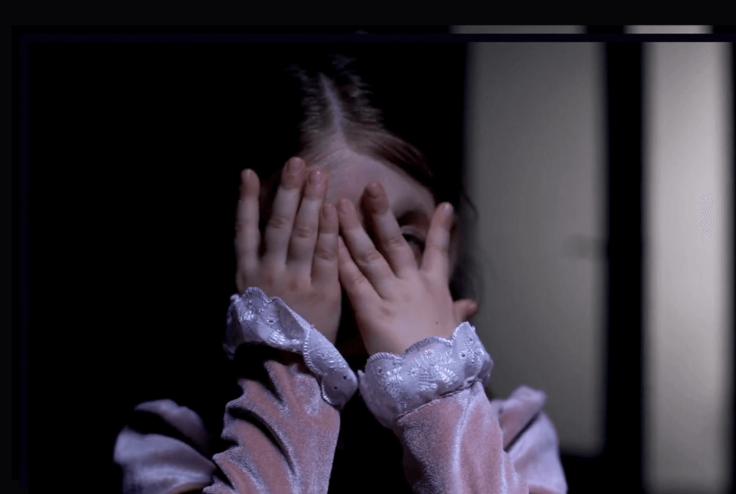
The UK government has launched a landmark national register for individuals convicted of serious child cruelty, introducing police monitoring requirements similar to those for sex offenders.
Announced on 2 March 2026, the new register aims to close a legal loophole that allowed abusers to disappear from official oversight once their sentences ended. Under the new rules, adults convicted of neglect, abandonment, or inflicting serious physical harm must notify police of their personal details for years after their release.
The initiative follows a high-profile campaign by the family of Tony Hudgell, the double amputee who inspired 'Tony's Law' after suffering catastrophic abuse at the hands of his birth parents.
What the Register Is and Who It Affects
The child cruelty register will require adults convicted of certain child cruelty crimes, including neglect, abandonment, inflicting serious physical harm, and related offences, to notify the police of key personal details.
Under the proposals, convictions related to cruelty resulting in serious harm or death of a child, female genital mutilation, and infanticide will be included. Offenders will have to inform the police if they change their name, address, or travel plans, or if they begin living with children again after their sentence ends, thereby extending police oversight to reduce the risk of repeat harm.
The government said the register aims to treat those who harm children with the same seriousness with which the law treats registered sex offenders, recognising that exploitation, neglect, and abandonment can leave deep, lifelong impacts on victims and families.
Why It Was Introduced
The new child cruelty register comes after sustained campaigning by child‑protection advocates and bereaved families who argued that the existing law did not adequately track people convicted of cruelty against children once they had served their sentences. Among the most prominent campaigners are Paula and Tony Hudgell, whose advocacy has helped push the register towards becoming law. Their campaign emphasised that better long‑term monitoring could prevent offenders from slipping under the radar once released.
Government ministers have described the move as a crucial step to close a child safeguarding gap in the UK legal system. The register will be established through amendments to the Crime and Policing Bill, legislation that Parliament is currently considering and expected to progress through later stages of debate and scrutiny.
What Offences Will Be Covered
The official government announcement confirms the register will cover a range of serious child cruelty offences. These include not just physical acts that cause or allow a child's death or serious harm, but also neglect and abandonment.
The move mirrors the logic behind existing provisions for sex offenders, for whom police notification requirements, such as reporting a change of address, identity change, or international travel, are already in place. By introducing similar requirements for serious child cruelty convictions, the government hopes to give police and child‑protection partners better tools to manage and monitor offenders after release.
Government Statements on the Register
Jess Phillips MP, the Minister for Safeguarding and Violence Against Women and Girls, described the introduction of the register as a critical measure to protect children who are among the most vulnerable in society. 'It is unforgivable that someone who is supposed to take care of a child would hurt them instead,' she said.
'We've listened to the Hudgells, and to the many families who feel the system hasn't done enough to protect some of the most vulnerable people in society, and we are taking vital action.'
Similarly, Jake Richards MP, Sentencing Minister, emphasised that children's safety was the central priority of the new policy, and that having more complete information about offenders would help police intervene early if risk indicators arise.
Intended Impact and Safeguarding Goals
Officials say the register will give child‑protection partners, law enforcement, and community agencies the best‑ever visibility of those who have harmed children in their care. By imposing new obligations on offenders, authorities hope to reduce the risk of reoffending and ensure that changes in the offender's life, such as relocating or resuming contact with children, occur only with police awareness and appropriate risk assessment.
Beyond the register itself, the government is also planning several supporting measures. These include stronger Multi‑Agency Public Protection Arrangements (MAPPA) oversight, promotion of civil orders to manage risk, and statutory backing for child sex offender disclosure schemes. Together, these steps are intended to create a more cohesive and responsive child protection framework.
The move is part of a broader 2026 safeguarding strategy that includes the creation of a new Child Protection Agency and the introduction of a unique child identifier to track vulnerable youngsters across different services.
© Copyright IBTimes 2026. All rights reserved.