

450 Victims Targeted: Florida Man Sentenced for Storing Their Personal Info and Fraudulently Using It
Mckenzie Levar Monestine sentenced for identity theft affecting hundreds
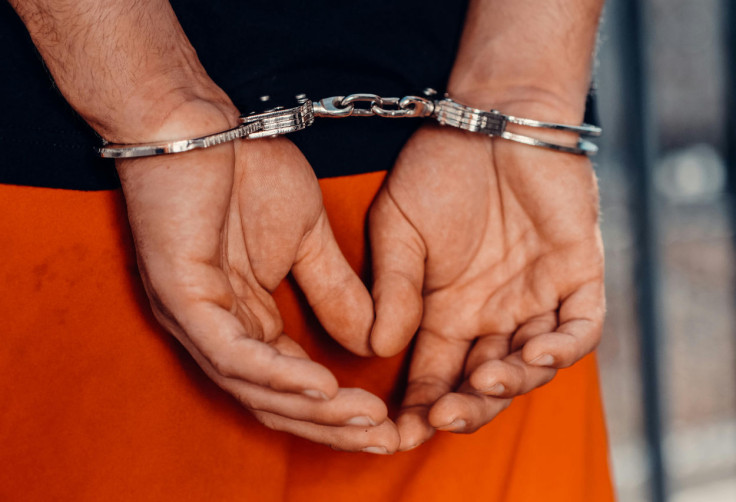
A Miami man has been sentenced to more than four years in federal prison after admitting to a sprawling identity-theft and fraud scheme that affected at least 450 victims across the United States.
Federal authorities described the network of stolen personal data and fraudulent access devices discovered in his possession as among the largest single troves of stolen information uncovered during a multi-year investigation.
Guilty Plea and Prison Term
Mckenzie Levar Monestine, 33, of Miami, was sentenced on 27 February 2026 to 55 months' imprisonment and ordered to serve three years of supervised release after pleading guilty in December 2025 to one count of possessing 15 or more unauthorised access devices and one count of aggravated identity theft.
The sentencing comes more than five years after a 2020 Federal Bureau of Investigation (FBI) investigation uncovered the magnitude of his crimes. Prosecutors said Monestine admitted to accumulating and storing a vast catalogue of personal identifying information (PII) that investigators later found on electronic devices and in spreadsheets at his home.
Evidence Found During FBI Search
According to court filings, law enforcement executed a search warrant at Monestine's residence on or about 22 June 2020, where they uncovered a padlocked room containing evidence of widespread fraud.
Inside, investigators found a wealth of stolen personal data belonging to others, including credit and debit card numbers, Social Security numbers, bank account details, driver's licence numbers, telephone numbers and dates of birth. This information was maintained in a spreadsheet on a MacBook Pro and in notes on various electronic devices.
Prosecutors explained that Monestine had also exchanged numerous text messages containing sensitive login information, PINs for bank account access, and data used to commit fraud. Among the physical evidence was more than $11,000 in cash, a large number of credit, debit and gift cards in other people's names, fake identification cards, Western Union money orders and a credit-card re-encoder device used to encode data on magnetic stripes.
The stored information constituted approximately 450 access devices, meaning that nearly that many individuals had their personal data illegally collected and stored. The estimated financial loss to victims ranged between $250,000 and $550,000, according to prosecutors, though the emotional and practical impact of identity theft often extends far beyond monetary figures.
Prosecutors' Comments
In remarks following the sentencing, US Attorney Reding Quiñones emphasised that stolen identities were treated like 'inventory' by Monestine, who stockpiled Social Security numbers, bank credentials, credit card information and other personal data to facilitate ongoing fraud.
He said, 'Identity theft is not a victimless crime. It drains savings, damages credit, and disrupts lives. If you traffic in stolen identities in South Florida, you will face federal prosecution and real prison time.'
The DOJ press release made clear that the prosecution of this case forms part of a broader initiative targeting violent crime and serious fraud in the Miami area, with federal, state and local law enforcement agencies pooling resources to bring such offenders to justice.
Investigation and Prosecution
The case was investigated by the FBI Miami Field Office, with prosecution handled by Assistant US Attorney Lindsey Maultasch for the Southern District of Florida, as well as Trial Attorneys Jinah Chang and Jennifer E. Burns from the Criminal Division's Violent Crime and Racketeering Section.
Monestine's guilty plea came after his arrest and the seizure of digital evidence linking him directly to the fraudulent activity. The Justice Department highlighted the challenges of online identity theft, in which criminals can amass large quantities of personal data and use it to access financial accounts, assume identities for other crimes, or sell the information on illicit markets.
Impact on Victims
Experts in fraud prevention note that identity theft, particularly on the scale alleged in this case, can have long-lasting consequences for victims. Compromised credit and bank accounts often require months or years to resolve, and stolen Social Security information can be used to open unauthorised accounts or commit tax and medical fraud. These indirect effects are often felt long after the original crime has been uncovered.
Although Monestine's sentence reflects the seriousness of his offences, federal anti-fraud authorities warn that identity theft remains a persistent threat across the United States, particularly with the proliferation of digital platforms that store and transmit sensitive information.
Legal Ramifications and Sentencing
Monestine's 55-month prison sentence and subsequent supervised release underscore the federal government's commitment to prosecuting large-scale fraud and identity theft schemes.
For comparison, under 18 USC § 1028A, aggravated identity theft charges alone carry a statutory minimum prison sentence of two years, which must run consecutive to other terms; the additional conviction for possession of unauthorised access devices further raised the potential penalty.
The penalty imposed signals to would-be fraudsters that engaging in large-scale identity theft can result in substantial federal prison time, reinforcing law enforcement's message that cross-jurisdictional cyber and financial crimes will be pursued vigorously.
© Copyright IBTimes 2026. All rights reserved.