Southport Attack Report: Autism, Poor Information Sharing and Irresponsible Parents Blamed for Preventable Murders
Fascination with violence and high-risk incidents were often excused, and mental health services failed to act, discharging Rudakubana just days before the attack
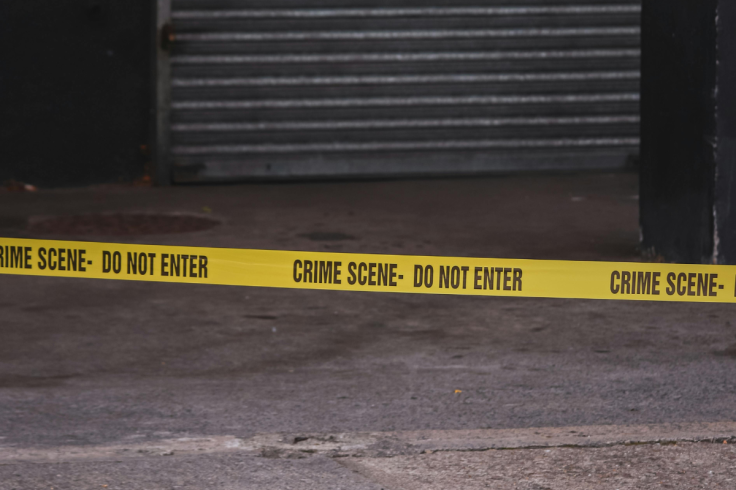
The Southport attack inquiry has blamed autism misunderstandings, poor information sharing and irresponsible parents for the preventable murders of three young girls in 2024.
Sir Adrian Fulford's Phase 1 report, published on Monday, found the July 2024 knife attack in Southport could have been averted. Axel Rudakubana stabbed Elsie Dot Stancombe, Alice da Silva Aguiar, and Bebe King to death at a Taylor Swift-themed children's dance class. Ten others were injured.
The inquiry identified dozens of missed opportunities over many years, with clear warning signs ignored by those who should have acted.
Autism Diagnosis Repeatedly Used to Excuse Growing Threat
Professionals often attributed Rudakubana's increasingly violent and concerning behaviour to his autism spectrum disorder rather than addressing the real risks he posed. The report stresses it would be wrong to link autism generally to violence. But Sir Adrian Fulford said in this case it created a growing threat to others.
Behaviours including fascination with extreme violence, appearing to condone terrorists, and expressing murderous thoughts about fellow pupils and teachers were too frequently excused. The autism diagnosis took 77 weeks after a GP referral in August 2019. Even after incidents such as a 2019 police note classifying his risk as high with 'potential for huge escalation,' action was limited. Mental health services discharged him just six days before the attack, claiming no risk to others.
'Agencies regularly used autism as an explanation, or even an excuse, for his conduct including his violence,' the report found, describing the approach as both unacceptable and superficial.
Alarming Failures in Information Sharing Between Agencies
There was a critical failure to share information between agencies including Prevent, Lancashire Constabulary, schools, councils and health services. No single agency took responsibility for assessing the grave risk Rudakubana posed, leading to him falling through the cracks.
Essential information was repeatedly lost, diluted or poorly managed. Three Prevent referrals followed his online research into school shootings and methods of attack. Yet authorities showed only glancing interest, accepting his self-serving explanations.
A stark example came in March 2022 when Rudakubana was found with a knife on a bus and admitted wanting to stab someone and thinking about poison. He was simply returned home with advice to hide knives, rather than being arrested or his home searched. Had agencies had a full picture of his history, the report said, this would not have happened.
Parents' 'Considerable Blame' for Failing to Act
The report says Rudakubana's parents bear considerable blame. They set no boundaries, allowed weapons to be delivered home, and failed to report key information before the attack.
His father knew of the weapon collection including a bow and arrow, sledgehammer and jerry can, and feared an attack but did not contact police. The inquiry concluded that proper parental action would have prevented the tragedy.
As one education professional noted on X following the report's release, the findings included 'significant parental failures' alongside poor oversight of online activity.
Five key findings from the report; summary of the key findings from the Southport Inquiry report which identifies five "major areas of systemic failure". They include:
— Jennifer Thetford-Kay (@JenKteach) April 13, 2026
An "absence of risk ownership", with no agency accepting responsibility for "assessing and managing the grave… https://t.co/Hs49SQoWjS pic.twitter.com/6fhr2br8bt
The report has prompted acceptance of recommendations by Lancashire Constabulary for better training, improved record-keeping and enhanced risk assessment. The government is reviewing national implications for Prevent and policing as the Southport attack inquiry findings are absorbed.
© Copyright IBTimes 2026. All rights reserved.
- Recommended For You