

Why Is a 'Stay Home' Warning Spreading in Japan for 30 October? What's Really Happening
Footage appears to show Koizumi at a press conference, while Tokyo's Halloween restrictions and disaster advice remain separate measures
A viral post from a person claiming that they and their daughter work for Pfizer has urged people in Japan to stay home on 30 October, raising alarm online. However, the accompanying footage appears to show Japanese Defence Minister Shinjiro Koizumi at an official press conference, while the alleged Pfizer warning remains unverified.
Separate Halloween traffic restrictions in Tokyo and disaster-preparedness advice have added to the confusion, but neither establishes that Japan has issued a nationwide stay-at-home order.
Viral 'Stay Home' Claim Misuses Press Conference Footage
A post circulating on X claims that the writer and their daughter both work at Pfizer before delivering an urgent warning to cancel plans and remain at home on 30 October.
The message reads: 'My daughter and I both work at Pfizer. I'll say this just once. Cancel all your plans on 30 October and absolutely stay home!'
My daughter and I both work at Pfizer.
— Clearance Patriot (@alexbrooks121) October 27, 2026
I'll say this just once.
Cancel all your plans on October 30th and absolutely stay home! pic.twitter.com/cE6iCWsvSW
The accompanying footage appears to show Japanese Defence Minister Shinjiro Koizumi speaking at an official press conference.
The warning has been shared by multiple social media accounts. However, no official report or announcement supports the claim that Koizumi issued a stay-at-home warning. The footage does not establish that he made the remarks attributed to him, and the alleged Pfizer connection is unverified.
For casual viewers, the caption may create the impression that the warning is a direct translation of the official's remarks, but the footage alone does not show that the speaker delivered the message described in the post.
Why 30 October Matters in Tokyo: Halloween Crowd Controls
There is a genuine reason the date appears in Japanese public announcements.
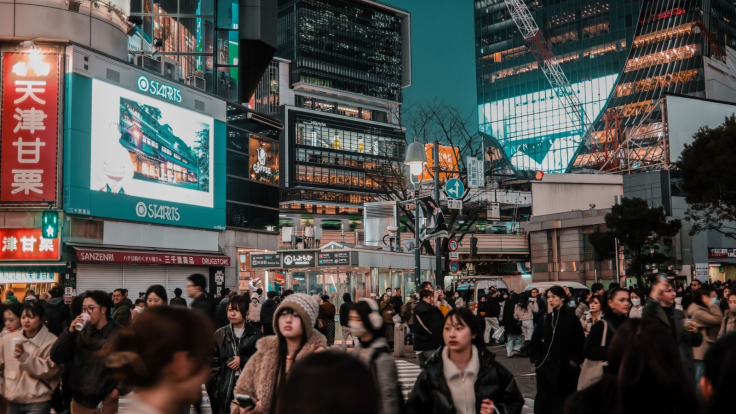
The Tokyo Metropolitan Police Department has announced traffic measures around Shibuya Station for Halloween, beginning on the evening of 30 October and continuing until the early hours of 1 November.
The measures include vehicle restrictions on designated roads, possible additional traffic controls depending on conditions and the suspension of parking meters around the station.
Shibuya has also introduced measures intended to prevent overcrowding, littering and public disturbances during Halloween celebrations.
These restrictions are local and relate to managing Halloween crowds. They do not amount to an order for people across Japan to cancel their plans or remain indoors.
Disaster-Preparedness Drive Is Long-Term, Not a Date-Specific Alert
Japan is also preparing for the launch of its new National Disaster Management Agency on 2 November 2026, when Disaster Management Minister Goshi Hosono is expected to make an emergency appeal for households to strengthen their disaster preparedness.
As part of the initiative, Disaster Management Minister Goshi Hosono is expected to urge households to keep at least three days' worth of food, drinking water and sanitation supplies, with enough for a week preferable where possible. The aim is to help households cope if a major disaster disrupts essential services or delays emergency assistance.
Japan is prone to earthquakes, typhoons and other natural hazards, and its existing government guidance recommends keeping emergency supplies at home. The available government information presents the appeal as part of broader disaster preparedness, not as a warning of a specific emergency.
No evidence has established a connection between the planned campaign and the viral claim that people must stay home on 30 October.
Online Reactions Highlight Risks of Sharing Unverified Warnings
The post has prompted questions about the source of the warning and whether the person featured in the video actually said what the caption claims.
One response cautioned that unverified warnings can cause unnecessary panic and urged people to seek credible sources before sharing them.
Unverified warnings like this can create unnecessary panic. ⚠️ Before sharing, we need credible sources and clear evidence. Stay informed, not alarmed. 🧐🙏
— Supriya (@cherry1233142) October 28, 2026
The viral Pfizer claim remains unsubstantiated, while the Shibuya traffic measures and nationwide preparedness campaign are separate, documented developments. Neither supports the claim that Japanese authorities have ordered people to stay home nationwide.
© Copyright IBTimes 2026. All rights reserved.