

House of Lords Warns UK Is Underprepared for Cyber Attacks and Major Crises
Lords committee warns fragmented planning, supply-chain weaknesses and cyber risks could leave the UK vulnerable to a major 'polycrisis'
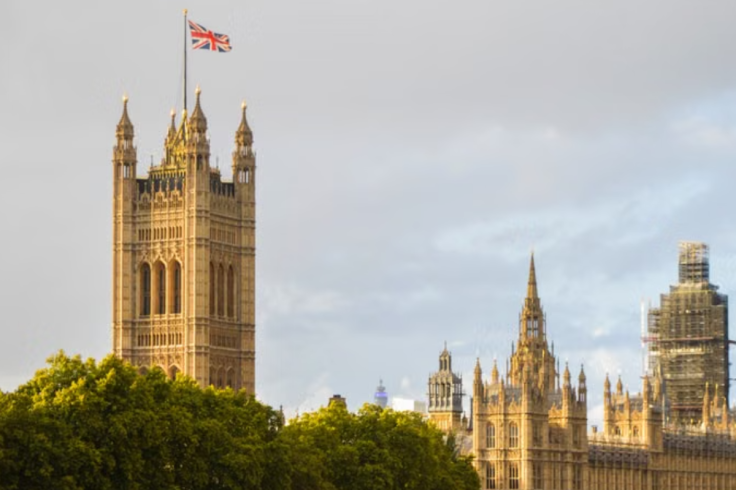
The UK government is underprepared for a growing range of interconnected threats, including cyberattacks, sabotage and extreme weather events, according to a House of Lords national resilience report published after months of expert evidence. The report warned that existing emergency planning arrangements are too fragmented to handle a major 'polycrisis' involving several disruptions at once, and that artificial intelligence could increase cyber risks.
Baroness Jean Coussins, chair of the National Resilience Committee, said the UK needed urgent action to strengthen its ability to respond to major disruptions.
'The world is more turbulent and insecure than it has been for decades. Yet in the face of potentially catastrophic risks, the Government appears complacent, and the UK is underprepared. We need urgent action to connect our plans, protect essential services and make preparedness part of everyday life,' she said.
UK Government Emergency Preparedness Faces Growing Scrutiny
The report called for a new approach to UK government emergency preparedness, including stronger leadership, better coordination and a dedicated Cabinet minister responsible solely for resilience. The committee said the Government appeared complacent despite increasing risks facing the country.
The warning follows the launch of the Government's 'Be Ready' campaign, which encouraged households to prepare for emergencies by keeping supplies such as food and water. However, the committee said household preparation was only one part of resilience planning and would not address wider weaknesses across national systems.
The report said many existing plans focus on individual emergencies, such as power failures, cyberattacks or disruption to essential services, rather than multiple crises developing at the same time. It warned that artificial intelligence could increase the scale and complexity of cyber threats.
The committee said the UK needed a more joined-up national resilience strategy, with clearer responsibilities across government, local authorities and essential industries.
The report said the UK was 'seriously underprepared for major, interconnected threats', while existing plans too often dealt with individual risks instead of cascading crises. It also warned that fragmented leadership and coordination were preventing resilience plans from being translated into practical action across government and local communities.
UK National Resilience Strategy Highlights Supply Chain Risks
The report also highlighted vulnerabilities in the UK's supply chains for essential goods, including medicines and food.
It found that nearly 70 per cent of antibiotic active pharmaceutical ingredient sites are located in China and India, while about 90 per cent of global production of 6-APA, a key ingredient in penicillin-based antibiotics, comes from China. The committee said years of cost pressures and procurement decisions had weakened domestic production capacity.
Food supplies were also identified as a risk, with 94.5 per cent of British retail food supplied by nine companies operating through 131 distribution hubs. The report warned that disruption affecting a small number of firms could have a major impact.
The committee also raised concerns about undersea cable resilience, noting BT's limited access to repair vessels: one French-owned vessel that is generally unavailable and another UK-based vessel that is 35 years old.
It recommended that the Government publish a national resilience strategy within six months, strengthen cyber security planning, improve local emergency preparations and provide clearer public guidance.
A Cabinet Office spokesperson said the Government would review the recommendations, pointing to existing measures such as the 'Be Ready' campaign, a planned home defence exercise and more than £1bn invested in pandemic security.
The report warned that Britain's ability to handle multiple simultaneous crises remains a concern, calling for greater involvement from businesses, communities and public bodies.
© Copyright IBTimes 2026. All rights reserved.