

Pastor Allegedly Told Church Members God Chose Them to Invest $13 Million in Fake Social Media Company
Church members allegedly risked retirement funds, home equity, and college savings in a $13 million scheme

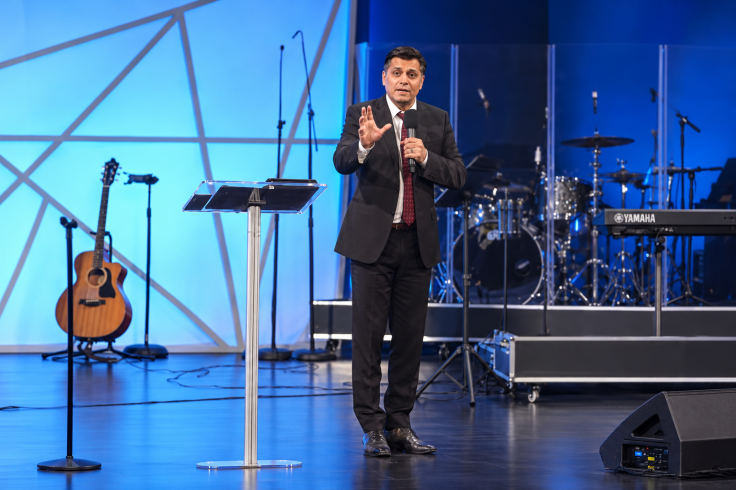
A Washington pastor allegedly used his religious authority to persuade more than 30 investors to put at least $13 million into a company prosecutors say had no revenue and could not complete online transactions. Cristian Popescu allegedly encouraged some investors to use retirement funds, borrow against their homes, and risk savings intended for their children's education.
Prosecutors also allege that more than $4.5 million in company funds went to accounts belonging to Popescu, his wife, and other family members.
Popescu, 46, pastor of the Passion for Christ congregation in Kirkland, Washington, pleaded not guilty in US District Court in Seattle on 13 October 2026 to 10 counts of wire fraud and five counts of money laundering. His trial is scheduled for 21 December 2026. The allegations have not been proven in court, and Popescu is presumed innocent unless and until he is found guilty.
Pastor Allegedly Used Faith to Attract Investors
According to the indictment, Popescu promoted Followone Inc., a Bellevue-based company, from as early as 2015. He presented it as a global online marketplace and social network for buying and selling cars, property, healthcare, food, and travel services. Popescu allegedly told church members that God had chosen them to invest and promised that the business would support the church and benefit children and older adults.
However, prosecutors allege that Followone's website could not complete transactions and the company generated no revenue, despite claims that it was earning millions. Popescu allegedly promised investors that the business was growing in value and preparing for a Nasdaq listing, while assuring them they could withdraw their money at any time.
Investors Urged to Risk Retirement Savings
The indictment alleges that Popescu encouraged investors to withdraw retirement funds, take out personal or home equity loans, and use their children's college savings. Some investors were reportedly offered board positions if they invested $1 million. Prosecutors allege that these titles came without meaningful financial information or oversight authority.
Popescu allegedly used misleading press releases, websites, and expensive Bellevue offices to create the appearance of a successful business. He claimed to have hired leading software engineers and planned a workforce of more than 20 people, although prosecutors say only about three people besides Popescu worked at the company.
Followone Allegedly Valued at $1.4 Billion
According to the indictment, Popescu used companies he controlled to make Followone appear to have legitimate business relationships. Investor funds allegedly paid invoices linked to those companies before being routed back into Followone to create the appearance of revenue.
At one point, Popescu allegedly represented Followone as being worth $1.4 billion despite knowing it had little or no value. The company was eventually evicted from its Bellevue offices with more than $350,000 in unpaid rent and stopped paying employees because it lacked sufficient cash, prosecutors say.
Millions Allegedly Diverted to Personal Use
Between 2017 and 2024, Popescu allegedly paid himself more than $1 million in wages. His wife received approximately $300,000, although prosecutors say she was not a company employee. The indictment further alleges that nearly $900,000 went into Popescu's personal stock trading account and about $1 million paid personal credit card debts.
One investor allegedly transferred nearly $1 million in a single transaction, while others contributed approximately $600,000 and $500,000. Prosecutors allege that more than $4.5 million in company funds went to accounts linked to Popescu and his family.
Pastor Allegedly Intimidated Investors
When investors sought repayment, Popescu allegedly claimed that returning their money could interfere with an audit or the planned stock exchange listing. Prosecutors also allege that he required investors to sign non-disclosure agreements and use encrypted messaging services.
During in-person meetings, investors were reportedly told to switch off their phones and disable smart devices. When investors questioned his claims or requested more information, Popescu allegedly invoked his church position, became angry, and accused them of being demonically possessed.
Popescu Awaits Trial
Popescu was released under electronic monitoring while awaiting trial, despite prosecutors' objections. The FBI and the Internal Revenue Service's Criminal Investigation division investigated the case.
Wire fraud carries a maximum prison sentence of 20 years per count, while money laundering carries a maximum of 10 years per count. Both offences can also carry fines of up to $250,000 per count. These are statutory maximums, not predictions of any eventual sentence. Popescu has pleaded not guilty. Prosecutors must prove the charges beyond a reasonable doubt at trial, scheduled for 21 December 2026.
© Copyright IBTimes 2026. All rights reserved.