Trump and Xi Target $60B in Tariff Cuts as Toys, Fireworks, Meat and Coal Make the List
The tariff cuts remain recommendations, with shoppers unlikely to feel their effects before December
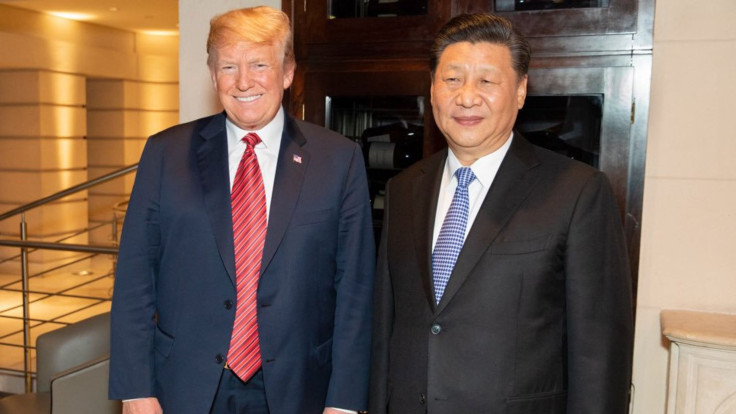
The United States and China have agreed to cut tariffs on about $60B (£45B) of goods traded between them, from Chinese-made toys and fireworks to American coal and meat. It is the first concrete result of Xi Jinping's state visit to Washington last week, with each side putting forward roughly $30B (£23B) of trade for gentler treatment.
The two lists, released over the weekend by both governments, are lopsided. Washington named 77 categories of Chinese imports, among them toys, fireworks, tableware, bed linen, children's car seats, and holiday decorations. Beijing's list ran to 1,619 American products, weighted towards the farm and the mine: corn, wheat, sorghum, meat, dairy, seafood, timber, and coal.
US Trade Representative Jamieson Greer built his pitch around access. Trump was 'unlocking improved market access' for about 30% of American exports to China, he said in a statement, while handing US shoppers cheaper household goods. That figure is his own administration's estimate, drawn from 2024 trade values.
The deal winds back a confrontation that pushed US tariffs on Chinese goods as high as 145% at one point last year. Trump set up the Board of Trade behind it during a trip to Beijing in May, and Xi's visit to Washington, his first US state visit since 2015, was cast as the sequel.
Where the US-China Tariff Cuts Stop Short
China went further on coal. Alongside the tariff cut, it pledged to buy 10 million tonnes of American coal a year across 2027 and 2028, about 2% of its annual imports. Liquefied natural gas and oil were left out. The purchase was a 'beneficial supplement' to the home market, Beijing's commerce ministry said.
A good deal was left out entirely. Soybeans, America's largest farm export to China, never made Beijing's list. Neither did the products both governments guard most closely. Semiconductors, electric vehicles, and batteries sit outside the arrangement altogether.
The scale invites caution too. The $60B on the table is a fraction of the roughly $415B (£313B) in goods the two economies trade every year. China's commerce ministry has also said about 90% of the listed items would move only to most-favoured-nation rates, the standard duty most trading partners already pay, rather than to anything lower.
What the Tariff Deal Means for Shoppers and Markets
For all the detail, none of it is in force yet. The Board of Trade has only recommended the lists. Each government must still move the cuts through its own legal machinery, and neither has said how far duties will actually fall.
The board's workings are deliberate. Treasury Secretary Scott Bessent and Greer lead it for the US, with Vice Premier He Lifeng for China, and their deputies are to review the goods at least quarterly. The two capitals do not expect to revise the lists more than once a year.
Timing dulls the impact further. Most of this year's Christmas stock has already left Chinese factories and is on the water, so shoppers in Britain and the US are unlikely to notice much on the shelves before December.
Investors moved quicker than the paperwork. Shares in Chinese appliance makers climbed once the lists appeared, with Joyoung hitting its 10% daily limit in Shenzhen and Bear Electric Appliance rising as much as 9.5%.
The two sides also stretched their wider trade truce by two months, to 10 January. The earlier deadline had fallen on 10 November.
China's trade surplus reached a record $1.2T (£906B) last year and stood near $800B (£604B) by August. Washington is separately examining Chinese industrial capacity under a Section 301 probe and could bring in fresh tariffs once that concludes.
Some exporters welcomed the news regardless. Richard Chan, whose firm Golden Arts Gifts & Decor makes Christmas decorations in southern China for US buyers, called it 'positive news'. He told the Associated Press that conditions on both sides stayed tough.
© Copyright IBTimes 2026. All rights reserved.
- Recommended For You