Trump to Slap 50% Tariffs on China After Plot to Ship Weapons to Iran is Revealed
Trade threat escalates as security fears deepen ahead of a fragile US China summit.
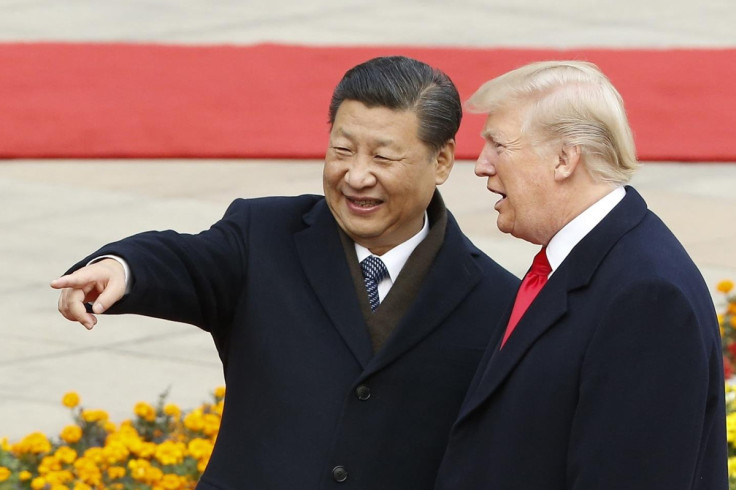
A new warning from the White House landed with real force on Sunday. US President Donald Trump is weighing a 50 per cent tariff on Chinese goods, linking trade policy directly to a growing security crisis involving Iran.
The threat follows reports of a covert plan to move weapons or air defence systems from China to Iran, a development that has raised concern in Washington. What began as a regional conflict is now edging towards something far bigger, with the risk of drawing the world's two largest economies into a deeper standoff.
For many watching closely, this has moved well beyond tariffs or trade imbalances. It speaks to power, pressure and the uneasy line between economic rivalry and military risk.
Tariffs as a Weapon Beyond Trade
Trump's proposed tariffs carry weight beyond economics. They are designed to signal that Washington is prepared to penalise Beijing over what it sees as security threats linked to Iran.
According to CNBC, the move follows intelligence reports pointing to possible Chinese involvement in supplying weapons to Tehran. While the reports remain unverified, the Trump administration is treating them as a direct challenge to US interests in the Middle East and beyond.
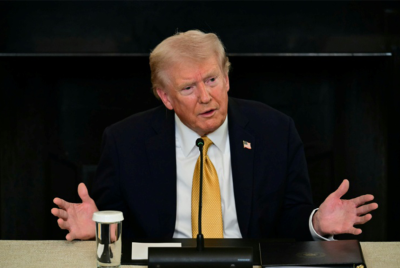
In a televised phone call, Trump warned China to get a 50 per cent tariff if the US caught them supplying military equipment to Iran, revealing that he heard reports about 'China giving Iran the shoulder or anti-aircraft missile.' Trump's remarks reportedly came on the same day that US intelligence assessments suggested an impending shipment of man-portable air defence systems or MANPADs from China.
The alleged weapon is a shoulder-operated, surface-to-air missile platform similar to the device Iranians used to shoot down an F-15 fighter jet in early April.
Officials believe economic pressure could be the quickest way to force China to pull back. Critics, however, say that approach risks backfiring, potentially pushing both sides into a cycle of retaliation that spreads across other sectors.
Although China has been among the most vocal supporters of Iran, there have been no confirmed reports of Beijing providing Tehran with military or financial backing since the conflict began on 28 February.
The stakes on this issue, however, are high. A 50 per cent tariff would hit major industries, disrupt supply chains and push up prices for consumers on both sides.
Strait of Hormuz Tensions Raise the Risk
At the same time, another flashpoint is unfolding. Trump's push to tighten control over the Strait of Hormuz has fuelled fears of a direct clash with China.
As reported by the Los Angeles Times, any move to block or restrict the key shipping route could threaten China's energy supply. Beijing relies heavily on oil passing through the strait.
That leaves the US in a difficult position. A blockade aimed at Iran could, even if unintended, provoke China and turn a regional tactic into a global confrontation.
Military planners are already weighing the risks. In such narrow waters, even a small miscalculation could escalate quickly into a wider conflict involving major powers.
War in Iran Shifts US Focus From Asia
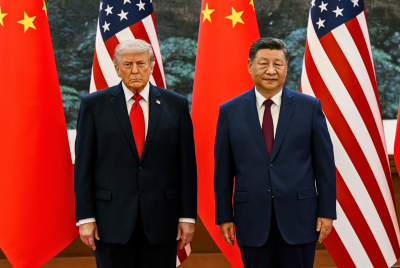
The conflict with Iran is also drawing US attention away from Asia at a critical time, just as Trump prepares for a key summit with Chinese President Xi Jinping.
The war is stretching US military resources and focus, Associated Press reported. Analysts say this could weaken Washington's position in the Indo-Pacific, where competition with China continues to intensify.
Even as some experts argue that Trump's assertive approach in Iran and Venezuela may help counter China, NATO Secretary General Mark Rutte warned that tensions with Beijing could become a 'multi-theater' issue. He suggested China might call on its 'junior partners' elsewhere to divert attention if it were to move against Taiwan.
For Beijing, the timing may offer an advantage. With US forces tied up in the Middle East, China could find more space to assert itself closer to home.
This adds urgency to the upcoming summit, with both leaders under pressure to steady relations even as tensions continue to rise.
Warnings of 'Big Problems' and Hidden Alliances
Trump has shown no sign of easing his tone. He has warned that China could face 'big problems' if it continues actions seen as supporting Iran, pointing again to reports of weapons supplies to the region.
There is also growing concern that China, alongside Russia, may be offering indirect support to Tehran, Forbes reported. This could take the form of logistical help or economic channels that allow Iran to weather sanctions.
Such claims are deepening suspicion in Washington and complicating diplomatic efforts. Any closer coordination between China and Russia has the potential to reshape alliances across the region.
For ordinary people, the impact already feels close to home. Rising tensions threaten global markets, fuel costs and the sense of stability many rely on.
What started as a report about weapons shipments has grown into a much broader test of power. Trade, security and diplomacy are now tightly bound together, and the next move could shape whether this moment leads to cooperation or something far more dangerous.
© Copyright IBTimes 2026. All rights reserved.
- Recommended For You