Scotch Whisky, Wimbledon Towels, and More: What Becomes Cheaper Under the India-UK Trade Deal
From premium goods to key exports, the deal delivers cost savings and expands cross-border trade
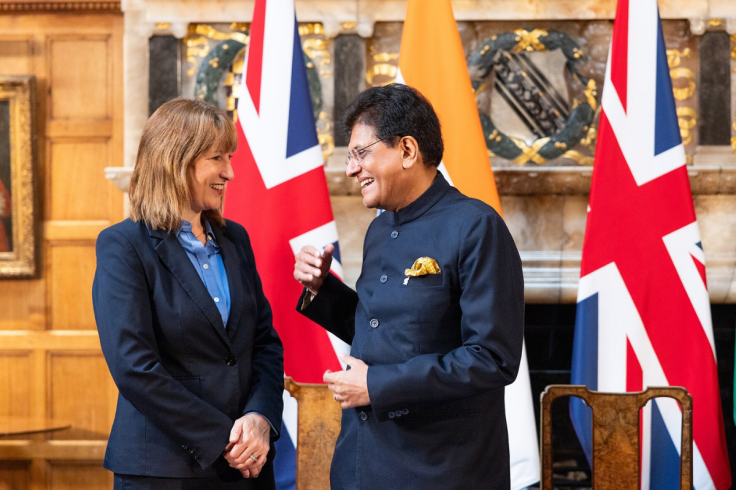
The India–UK trade deal is officially in force, ushering in lower tariffs, cheaper goods, and greater trade opportunities between the two nations. The Comprehensive Economic and Trade Agreement (CETA) and the Double Contribution Convention (DCC), formally known as the Agreement on Social Security, came into effect on 15 July 2026, marking a significant milestone in UK–India economic ties. While the deal was signed on 24 July 2025, it only became legally effective a year later after both countries completed their domestic ratification processes.
Indian Prime Minister Narendra Modi said the agreements would create 'tangible opportunities' for businesses, workers, and consumers in both countries. 'CETA will give new momentum to our farmers, entrepreneurs, and MSMEs,' Modi said. He pointed out how the deal will boost partnerships in technology, professional services, and innovation while helping to sustain skilled Indian workers in the UK.
British Goods Set for Price Cuts
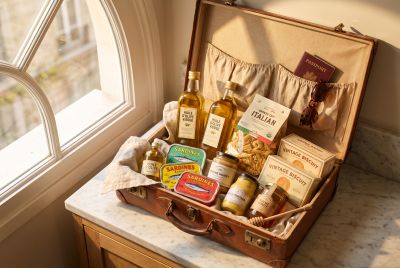
Import duties will be cut gradually in the India-UK trade deal to enable people to access a number of British products. Tariffs on Scotch whisky will be reduced from 150% to 75% immediately, and then to 40% over the next 10 years.
For UK whisky producers and exporters, the tariff cuts are expected to open greater access to India's fast-growing premium spirits market. Luxury cars, including models from Rolls-Royce, Jaguar Land Rover, Bentley, and Aston Martin, are also expected to benefit, with tariffs reduced on eligible UK vehicle imports within agreed quotas. Other British goods that can be more affordable include chocolates, biscuits, salmon, cosmetics, and medical devices.
Lower tariffs would make it easier for UK companies to sell into India, especially in sectors where high import taxes have previously made products expensive.
Wimbledon Towels Lead India's UK Export Push
Indian exporters are set to benefit as the trade agreement cuts or reduces tariffs on 99% of Indian exports by value shipped to the UK. Welspun Living, the manufacturer of Wimbledon's championship towels, said the India-UK trade deal has sparked increased interest from British retailers and is expected to improve India's competitiveness against Bangladesh and Pakistan in the UK textile market.
Other sectors that are set to benefit include garments, footwear, leather goods, marine products, engineering goods, and processed foods. Research firm CareEdge said bilateral India-UK trade could grow by around 15% annually through 2030, up from the historical growth rate of around 10–12%.
Experts Warn Tariffs Alone Will Not Guarantee Success
While the trade deal has generated optimism, experts warn that lower tariffs alone won't automatically lead to stronger trade. The Delhi-based Global Trade Research Initiative (GTRI) said that more than half of India's exports to the UK were already duty-free before the deal.
According to GTRI founder Ajay Srivastava, 'The real test is whether products that previously faced UK tariffs of 4-16%... see higher export orders, larger export volumes and better profit margins.' He expects the deal's full impact to be felt over the next one to three years.
New Opportunities, New Challenges
Although the trade deal may cut tariffs, businesses still have to deal with paperwork, origin certification, and compliance requirements before they can benefit. Many Indian exporters have previously missed out on trade deals because smaller firms don't know how to claim tariff benefits. They may also have to renegotiate prices with UK buyers as duties fall.
Srivastava said that stronger government and industry support would be essential. He also warned that the UK's planned carbon border tax and steel restrictions can curb some of the agreement's benefits. As the agreement takes effect, businesses in both countries will start navigating a new trading environment, with its overall impact expected to become clearer in the years ahead.
© Copyright IBTimes 2026. All rights reserved.
- Recommended For You